What should you look for when buying?
First, work out whether ingredients or texture limit your choice. Then you can compare the nutritional information for the varieties you are considering.
| What matters |
What to check when buying |
Who this matters most to |
| Fibre and expectations for digestion |
Compare the fibre per 100 g and the wholemeal or cracked grain content in the ingredients list. |
If fibre matters to me, I want to compare varieties based on their nutritional information, rather than treating rusks as a remedy for symptoms. Around 36% of consumers put this comparison first. |
| Ingredients and allergens |
Read the ingredients list and allergen information on the specific pack; don’t assume that lactose-free, vegan and gluten-free mean the same thing. |
If I have an intolerance, I need to know exactly which ingredients are in that variety. The correct labelling is the main concern for around 29% of consumers. |
| An accompaniment to coffee |
Compare the nutritional information per 100 g, especially energy and sugar; check the serving information too, if needed. |
For afternoon coffee, I’m mainly looking for a familiar, ready-to-eat accompaniment and want to understand its nutritional content. Around 21% of consumers prioritise this. |
| A suitable texture |
Check whether dry rusks or a modified texture are suitable for the individually recommended diet. |
If chewing or swallowing is difficult, a suitable texture matters more to me than a crunchy taste. This is the main consideration for around 14% of consumers. |
Rusks at Joybuy
These two Brandt products offer a choice between a wholemeal variety and a twin pack of classic rusks. For fibre, ingredients and texture, always refer to the labelling on the relevant pack.
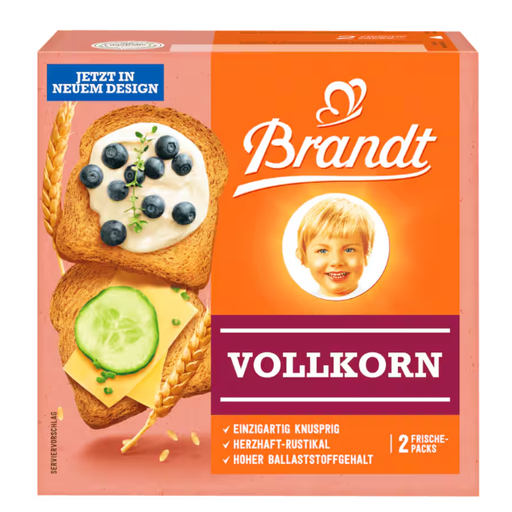 Image unavailable
Brandt Wholemeal Rusks 225 g
A wholemeal option for anyone who wants to compare the ingredients in rusks to enjoy with coffee.
If fibre matters to you, check the amount per 100 g on the pack. If you have difficulty chewing or swallowing, the texture must suit your individual dietary requirements.
View at Joybuy
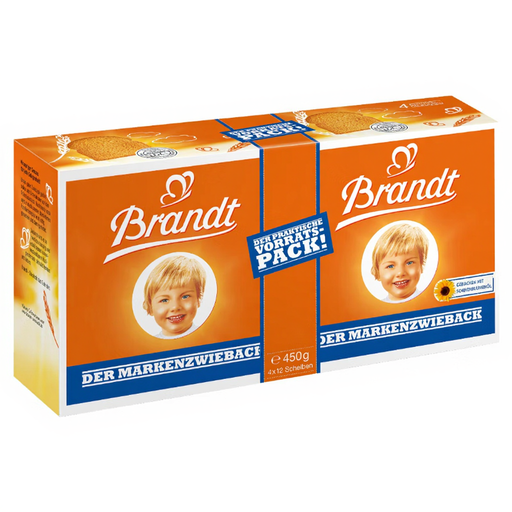 Image unavailable
Brandt Rusks, Twin Pack 2 × 225 g
An option if you’re looking for classic rusks to enjoy with your afternoon coffee.
To compare them with the wholemeal variety, check the ingredients and nutritional information on the specific pack. Dry rusks are not automatically suitable if you have difficulty chewing or swallowing.
View at Joybuy
Frequently asked questions
Do rusks generally help with digestive problems?
No, no particular type of rusk is a general solution for digestive problems. If you want to compare fibre content, you can check the nutritional information; if symptoms persist, it is worth seeking individual professional advice.
Are spelt rusks gluten-free?
No, spelt is a type of wheat and is a gluten-containing cereal. Even if a spelt variety is vegan, that does not make it gluten-free; if you have coeliac disease or a wheat allergy, the labelling on the specific pack is key.
How can I identify relevant allergens in rusks?
Read the ingredients list and allergen information on the pack you have chosen. For example, the classic Brandt Markenzwieback listed by EDEKA24 contains wheat, milk ingredients and soya; other varieties need to be checked individually.
Are dry rusks suitable if you have difficulty chewing or swallowing?
There is no general answer, as the texture required varies from person to person. The Verbraucherzentrale stresses that food should be adapted appropriately and safely; soaked rusks should only be included in the recommended diet if their texture is suitable.
How do I compare the nutritional information for different types of rusks?
First compare the nutritional information per 100 g, then take account of the portion you actually choose. This lets you compare energy, fat, sugar, protein and salt on the same basis; if fibre is one of your buying criteria, check that amount too.


