For a World Food night in a small household, the key question isn’t whether you can buy a “half loaf”, but how many slices you need and what you’ll do with any leftovers. Packaged wholegrain rye bread comes with a stated weight and ingredient information. Bread from a bakery counter may be a better match for your planned portion if you can actually buy a smaller cut.
Who needs to plan how much to buy?
Small households looking to avoid leftover bread
If you’re shopping for just one evening or a few meals, plan the number of slices you need alongside how you’ll use any leftovers. Germany’s Federal Ministry of Agriculture, Food and Regional Identity includes bread and baked goods among the food waste that can be avoided in private households.
Hosts planning savoury bites
For dips, spreads or topped slices, consider whether the type of bread, shape of the slices and amount you buy will suit the meal you have in mind. If you want bread from an in-store bakery, check what’s available at your local branch.
Shoppers who need to check ingredients and allergens
For them, the labelling on the specific loaf matters more than its name or appearance. According to Germany’s Federal Ministry of Agriculture, Food and Regional Identity, rye is a gluten-containing cereal. Allergen information must also be available for unpackaged bread.
What should you look for when buying?
Packaged wholegrain rye bread
A good choice if: You need a clearly stated quantity and ingredient information to help you plan before buying.
Bear in mind: The 500-g packs sold by REWE and EDEKA24 won’t necessarily be the right portion for a small household.
Bread from an in-store bakery or counter
A good choice if: You can buy a suitable rye bread in the amount you need for the evening at your local store.
Bear in mind: Check the type of bread, quantity and available allergen information for the specific product.
| What to consider |
What to check |
Who it matters to |
| Portion size and leftover bread |
Compare the net weight with the number of slices you need. If there’ll be leftovers, plan how to store them or freeze them in portions. |
If I’m shopping for just one evening, I want to be able to use any leftover bread. Avoiding bread waste is a top priority for around 50% of consumers. |
| Bread for serving |
Check that the type of bread and shape of the slices will work with your bites, toppings or side dish, and see what quantity is available. |
For dips and topped bites, I need bread that suits the way I’m planning to serve it. This is a top priority for around 30% of consumers. |
| Ingredients and allergens |
Read the label on the specific pack, or ask for allergen information if you’re buying unpackaged bread. |
If ingredients or allergens affect my choice, I need to check the specific bread before buying. This check comes first for around 20% of consumers. |
Which assumptions should you avoid?
-
Assuming “half a loaf” means a set weight
The name alone won’t tell you whether there’ll be enough for the evening or too much left over. Even a 500-g pack can be more than you need if you’re only serving a few people.
Compare the stated weight with the number of slices you’re planning to serve. If you’re buying unpackaged bread, it’s worth asking whether you can get a smaller cut.
-
Treating rye bread and wholegrain rye bread as the same thing
These names refer to different types of bread. For example, ALDI SÜD describes its GOLDÄHREN Bauernschnitten as rye bread, while REWE sells a wholegrain rye bread.
Check the product description and ingredient list for the specific bread before choosing a type to go with your planned dishes.
-
Removing only the visible patch of mould
According to the consumer advice centre, mould may have spread further through the bread than you can see.
Throw away the whole loaf if it’s mouldy, and clean your bread bin or bread pot regularly.
-
Overlooking allergen information for unpackaged bread
Bread from an in-store bakery or counter may also contain allergens. The information won’t necessarily be on a packaging label.
Ask for details about the specific bread if you’re buying it unpackaged. For packaged bread, check the ingredients and any precautionary allergen statements on the pack.
Brands and ranges to help you choose
REWE Bio
REWE sells an organic wholegrain rye bread in a 500-g pack. Its listed ingredients include natural sourdough and wholegrain rye meal.
- The pack size and ingredients can help you plan quantities and recipes.
- Whether 500 g is right for you depends on the number of slices you’re planning and how you’ll use any leftovers. If you have relevant allergies, check the label on the specific pack.
EDEKA Bio
EDEKA24 sells an organic wholegrain rye bread in a 500-g pack.
- The product information helps you check the pack size and ingredients before buying.
- EDEKA24 recommends eating the bread soon after opening, so plan how you’ll use what’s left after the evening.
GOLDÄHREN
ALDI SÜD describes its GOLDÄHREN Bauernschnitten in the 500-g pack as rye bread, not wholegrain rye bread.
- You can compare the stated pack size with what you need for topped slices or bites.
- ALDI SÜD notes that suppliers and nutritional information may vary. Always check the details on the pack you’re buying.
LIDL – Unser Brot
Lidl describes “Unser Brot” as a bakery range, with products freshly baked several times a day. It also lists natural rye sourdough in several speciality breads.
- An in-store bakery may be worth considering if a suitable bread is available locally in the quantity you want.
- Check with your local branch to find out which rye breads are available and whether you can buy a smaller cut.
Products at Joybuy
This selection includes two packaged pumpernickel breads, each weighing 500 g, and a spelt and green spelt bread. If you’re specifically looking for rye bread for the evening, check the exact type of bread and ingredients on the pack of the spelt and green spelt bread.
 No image available
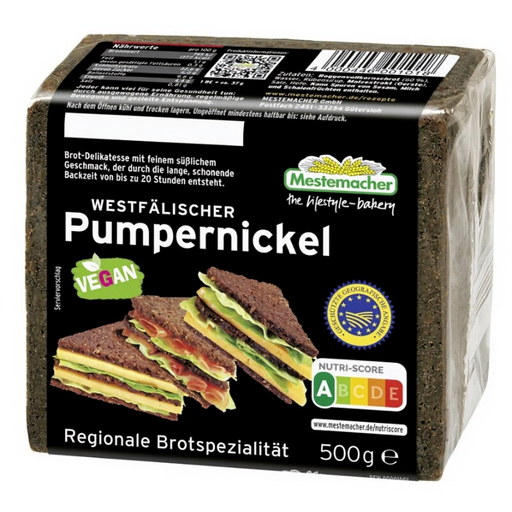
Mestemacher Traditional Westphalian Pumpernickel, 500 g
The stated 500-g quantity makes it easy to plan for topped bites, and the pre-sliced bread is ready to portion.
You’ll still need to make sure the amount suits the number of guests. Check the ingredients, allergens and storage instructions on the specific pack, especially for after opening.
View at Joybuy
 No image available
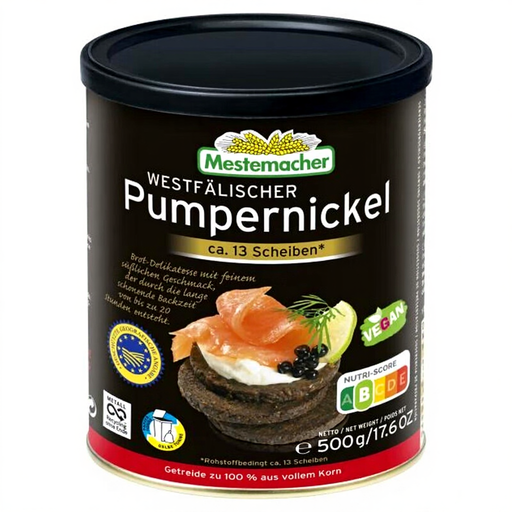
Mestemacher Westphalian Pumpernickel, 500 g
The 500-g pack gives you a set quantity to plan for topped slices or small snacks, and the bread is described as pre-sliced.
Plan how much will be left after the evening. As the product information lists gluten-containing cereals, milk and other allergens, check the label on the specific pack and its storage instructions for after opening.
View at Joybuy
 No image available
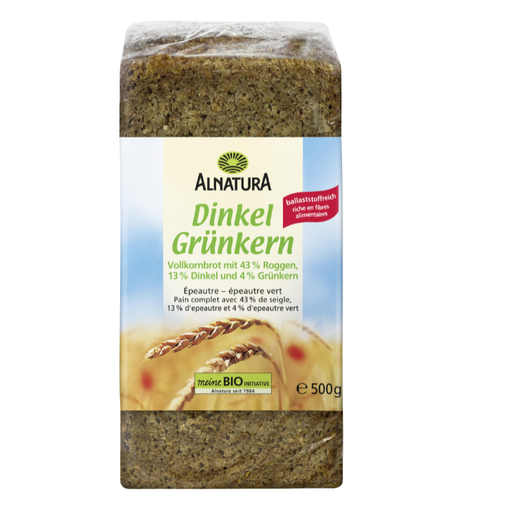
Alnatura organic spelt and green spelt bread, 500 g
The 500-g quantity in the product title makes it easy to compare with what you need for the evening.
If you’re looking for rye bread or a particular combination of ingredients, check the exact bread description, ingredients and allergens on the specific pack before buying.
View at Joybuy
Frequently asked questions
Is rye bread suitable for a gluten-free diet?
Ordinary rye bread isn’t suitable, as rye is classed as a gluten-containing cereal by Germany’s Federal Ministry of Agriculture, Food and Regional Identity. If you need to follow a gluten-free diet, look for an alternative that is specifically labelled as suitable.
Is allergen information available for unpackaged bread too?
Yes. Allergen information must also be available for unpackaged bread. Ask at the in-store bakery or counter about the specific bread, rather than assuming what it contains from its name.
How long does rye bread stay fresh?
With suitable storage, the consumer advice centre gives a guide of around four to six days for rye bread. Keep it at room temperature in a dry, dark place, and also follow the instructions on the specific pack. Bread with visible mould must be thrown away in its entirety.


