Serving dips and toppings
If you’re planning to serve slices with spreads, pickled vegetables or dips, wholegrain rye bread made with natural sourdough is one option. Choose a texture that suits the way you intend to serve it.


For topped slices and dips, wholegrain rye bread made with natural sourdough is a good option; for dry, crunchy nibbles, try rye sourdough crispbread. If you’re serving the bread straight away, fresh crusty bread is another possibility. Whichever you choose, check the ingredients and allergens, as well as the storage instructions for packaged bread.
If you’re planning to serve slices with spreads, pickled vegetables or dips, wholegrain rye bread made with natural sourdough is one option. Choose a texture that suits the way you intend to serve it.
Rye sourdough crispbread is a good choice for dry nibbles that are easy to portion individually. However, its crunchy texture is no substitute for the soft crumb of a loaf.
If your guests need to avoid certain ingredients, check the details for the specific bread before serving. Depending on the recipe, it may contain other grains, seeds or lupin as well as rye; precautionary allergen warnings can also vary.
First decide whether you want to serve topped slices, crunchy individual nibbles or bread with a fresh crust. Then consider the exact ingredients and when you plan to buy it.
| What to consider | What to check when buying | Who it matters most to |
|---|---|---|
| Texture for dips and toppings | Compare a loaf or sliced bread for topped slices with crispbread for dry, crunchy nibbles. | If I’m serving several toppings, the type of bread should suit the portions I have planned. Around 36% of consumers put this serving consideration first. |
| Rye and sourdough profile | Look for rye or natural sourdough specified on the label, and check the ingredients for other grains, seeds and yeast. | Anyone looking specifically for a straightforward rye sourdough bread will want to distinguish it from a multigrain recipe. Around 29% of consumers put this choice of ingredients first. |
| Ingredients and allergens | For packaged bread, read the ingredients and precautionary allergen warnings; for unwrapped bread, ask for details about the specific variety. | If I’m buying for guests with allergies, I need to know the ingredients in the bread I’ll actually be serving. This is the main priority for around 21% of consumers. |
| Freshness and storage | Time your purchase to suit when you’ll be serving the bread, and follow the storage and use-by instructions for packaged products. | Anyone shopping ahead of a gathering or planning to keep leftovers will need a suitable way to store the bread. This is the priority for around 14% of consumers. |
Natural sourdough and added yeast can both be found in the same loaf: the ingredients lists for REWE Bio and EDEKA Bio wholegrain rye bread name both.
If you’re looking for a recipe with no added yeast, check the ingredients list for the specific product rather than relying on the description on the front of the pack.
The Pema rye sourdough bread listed by REWE contains other grains, sunflower seeds, linseeds and sweet lupin flour as well as rye. Its ingredients list therefore differs from that of a more straightforward wholegrain rye bread.
Compare the full ingredients lists if you’re looking for a particular flavour profile or buying for guests with allergies.
Fresh crusty bread is a good choice if you’re serving it straight away. If you’re buying earlier, think about how you’ll store your chosen bread until your Asian-themed evening; according to the Federal Centre for Nutrition, rye and wholegrain breads usually stay fresh for longer.
Buy the right amount and follow the product-specific storage instructions for packaged bread. If you won’t need it straight away, you can freeze it in slices while it’s as fresh as possible.
The description ‘rye bread’ or ‘sourdough bread’ doesn’t tell you every allergenic ingredient in a particular bakery recipe. Rye is classed as a gluten-containing cereal by the Lower Saxony State Office for Consumer Protection and Food Safety.
Ask at the bakery counter for the allergen information for the exact variety you want to buy.
The wholegrain rye bread listed by REWE is a packaged option if you’re shopping before the day you plan to serve it.
The wholegrain rye bread listed by EDEKA24 has an ingredients list that specifies natural sourdough.
The rye sourdough bread listed by REWE is for anyone who specifically wants a recipe with additional grains and seeds.
Lidl’s bakery range includes oven-fresh crusty bread made with natural sourdough, which is an option if you’re serving it straight away.
The rye sourdough crispbread listed by EDEKA24 is a different type of bread, suited to dry, crunchy nibbles.
This product is worth considering for crunchy nibbles that are easy to portion individually, if you’d rather serve a dry type of bread than soft slices.
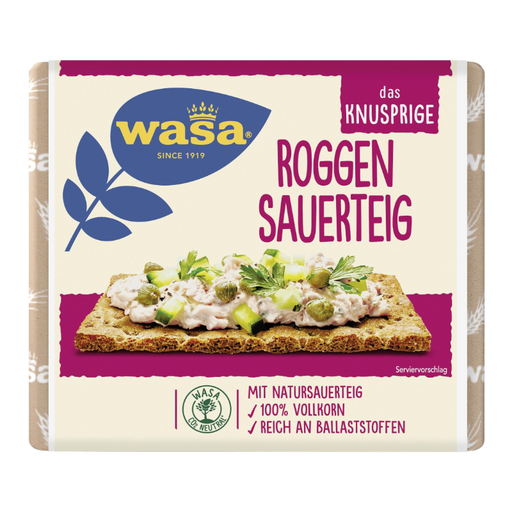 Image unavailable
This crunchy type of bread works well for individually portioned nibbles, but it isn’t a substitute for a soft slice of rye bread.
Rye and rye sourdough are listed for this product. Check the ingredients and allergen information on the pack, especially if your guests need to avoid particular grains or other ingredients.
Crispbread works well for dry, crunchy nibbles; a rye loaf is a good option for topped slices and dips. The best choice depends on how you plan to serve it, not on any general ranking of quality.
No, ordinary rye sourdough bread isn’t gluten-free. The Lower Saxony State Office for Consumer Protection and Food Safety lists rye as a gluten-containing cereal.
No. The ingredients lists for the specific REWE Bio and EDEKA Bio wholegrain rye breads name both natural sourdough and yeast. If this distinction matters to you, check the pack of the bread you choose.
For packaged bread, follow the product’s storage and use-by instructions. For fresh bread, the Federal Centre for Nutrition recommends storing it in a dry place away from light, at as even a room temperature as possible. If you’ll be serving it later, you can freeze it in slices while it’s as fresh as possible.
Ask for the allergen information for the specific variety before buying it for your guests. The descriptions ‘rye bread’ and ‘sourdough bread’ alone don’t tell you what other ingredients are in the recipe.