Hosts short on preparation time
If you want bread ready for Easter brunch without having to prove dough, a ready-to-eat loaf is a good option. Before buying, check the ingredients and allergen information on the specific pack.


If you want rye sourdough bread ready for Easter breakfast without having to prepare and bake it yourself, a ready-to-eat loaf is the obvious choice. If you’re buying from a bakery or in-store bakery, it’s worth shopping just before the meal if a fresh crust is your priority. If you’d rather choose the recipe yourself, you’ll need to make time for baking. Whichever option you choose, the actual grain mix and allergen information matter more than the product name alone.
If you want bread ready for Easter brunch without having to prove dough, a ready-to-eat loaf is a good option. Before buying, check the ingredients and allergen information on the specific pack.
If you can shop shortly before the meal, ask a bakery or in-store bakery about the type of rye bread you’re looking for. Check whether that particular loaf contains sourdough and which allergens are used.
If you want to choose the grain mix and other ingredients yourself, you can bake bread for Easter. Just remember that maintaining your own sourdough starter is different from using a sourdough baking ingredient with its own preparation instructions.
A good choice if: You want bread ready for Easter breakfast without having to bake it.
Bear in mind: Rye sourdough bread may contain grains and ingredients other than rye; always check the specific pack.
A good choice if: You can shop shortly before the meal and want to choose a loaf with a fresh crust.
Bear in mind: Check that the particular bakery or branch actually sells the rye sourdough loaf you’re looking for.
A good choice if: You want to choose the grain mix and other recipe ingredients yourself, and can set aside time to prepare it before Easter.
Bear in mind: A sourdough baking ingredient isn’t a finished loaf, and it doesn’t automatically replace yeast or the other steps involved in baking.
| Criteria | What to check when buying | Who it matters most to |
|---|---|---|
| Ready to serve on time | Tell the difference between a finished loaf and sourdough baking ingredients; for packaged bread, check the best-before date and storage instructions. | If there’s no time to bake before Easter breakfast, I need a loaf that’s ready to eat. For around 40% of consumers, being able to plan ahead is the priority. |
| Freshness and crust | Check which specific loaf is available and whether you can shop at the right time at a bakery or in-store bakery. | What matters to me is being able to buy a loaf with the crust I want shortly before Easter lunch. Around 30% of consumers put freshness first. |
| Ingredients and allergens | Check the grain and ingredient mix, as well as the allergen information; for unpackaged bread, ask for details about the specific loaf. | Before buying, I need to know which grains and other ingredients are in the bread, rather than relying on its name. Around 20% of consumers make this their top priority. |
| Your own recipe | For baking ingredients, check the product type, quantities, other ingredients needed and preparation time. | I want to create my own Easter loaf and can set aside time for baking. For around 10% of consumers, having control over the recipe is the priority. |
Rye is a grain that contains gluten. Sourdough doesn’t change that.
If you need to follow a gluten-free diet, rye sourdough bread isn’t a suitable alternative. Check the ingredients and allergen information for the product you choose.
The Pema rye sourdough bread listed by REWE contains ingredients other than wholegrain rye meal, including rice, millet, maize, buckwheat and sweet lupin flour.
Compare the ingredients lists of the specific loaves if the grain mix or individual ingredients are important to your choice.
Dried or liquid sourdough extract needs to be used in a recipe first. REWE describes Dr. Oetker rye wholegrain sourdough, for example, as an ingredient for a yeast dough.
Before buying, check the preparation instructions and allow time for the other ingredients and baking before Easter.
According to ZDFheute, moisture can build up in a plastic bag. This softens the crust and may encourage mould.
For packaged bread, follow the storage instructions on the pack. For freshly bought bread, choose a storage method that won’t trap moisture against the crust.
A place to look for packaged rye sourdough bread and sourdough baking ingredients.
The in-store bakery could be an option if you’re shopping shortly before Easter lunch.
Its bread recipes can help you estimate how much time you’ll need if you’re baking at home.
A regional bakery option for shoppers who can get to one of its branches.
These products are sourdough baking ingredients for making bread at home. If you want ready-to-eat rye sourdough bread for Easter breakfast, choose a finished loaf instead.
 No image available
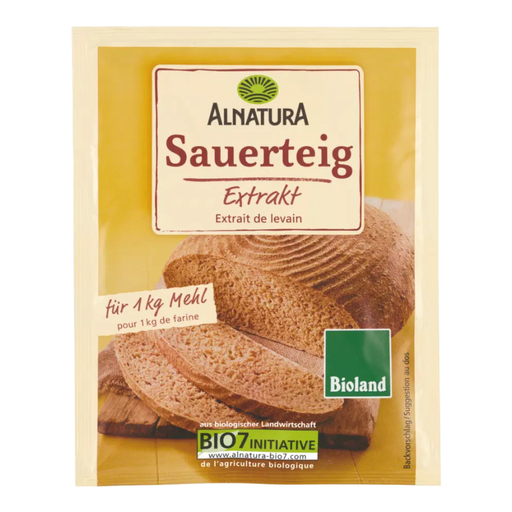
For baking your own Easter loaf if you’d like to use dried rye sourdough extract. The pack contains 15 g; follow the product instructions for the quantity to use and any other ingredients required.
The extract is a baking ingredient, not bread that’s ready to serve.
 No image available
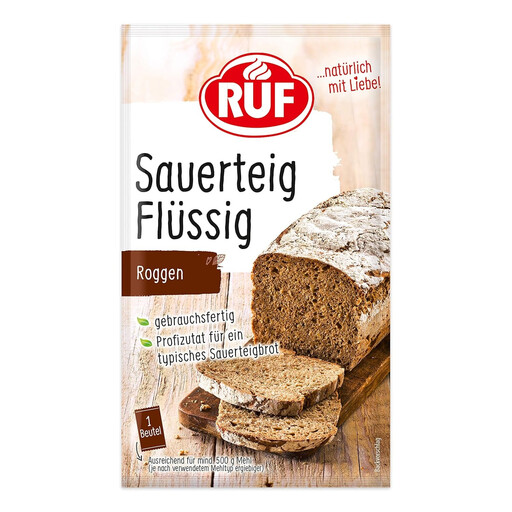
For home bakers who want to use a liquid rye sourdough ingredient in their Easter loaf. The pack contains 70 g; check your recipe for the quantity to use and any other ingredients required.
This extract also needs to be made into bread before it’s ready to eat.
 No image available
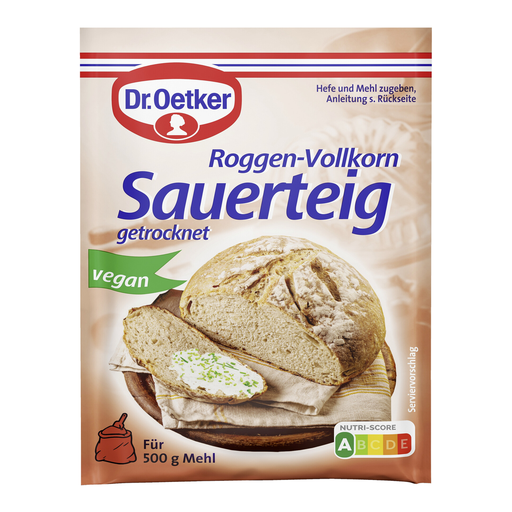
For baking your own rye bread if you’d like to use dried sourdough instead of maintaining your own starter. REWE says that a 15 g sachet of Dr. Oetker wholegrain rye sourdough is intended for 500 g of flour, to be added to yeast dough, and recommends that rye makes up no more than 70% of the flour.
This is a baking ingredient, not a finished loaf. Check your recipe against the instructions on the pack.
No. Rye is a grain that contains gluten. Sourdough doesn’t make rye bread gluten-free; if you have specific dietary requirements, check the ingredients and allergen information for the product in question.
No. The name doesn’t mean the ingredients are made up of rye alone. For example, the Pema rye sourdough bread listed by REWE also contains other grains, seeds and sweet lupin flour.
Information about allergenic ingredients must also be available for unpackaged food. The Lower Saxony State Office for Consumer Protection and Food Safety explains the labelling requirements; ask for information about the specific type of bread before you buy.
No. Dried sourdough is a baking ingredient, not ready-made dough. The Dr. Oetker wholegrain rye sourdough listed by REWE is added to yeast dough; for other products, follow their individual recipe instructions.
For packaged bread, follow the storage instructions on the pack. For fresh bread, ZDFheute advises against storing it in a plastic bag for long periods, as moisture can build up and soften the crust.