For a large family, sliced or portioned rye sourdough bread can be a practical option when people eat at different times and you want to keep some in stock. Fresh bread is better suited to eating soon after purchase. Baking your own lets you choose the recipe and loaf size, but you’ll need to allow time for preparation. Whichever type of bread you choose, check the ingredients and allergens: the term ‘sourdough’ alone doesn’t mean the bread has a high rye content.
Which types of bread suit different families?
Families who like to keep bread in stock
If people have breakfast and an evening meal at different times, sliced bread lets you take out just the slices you need. Choose a pack size that suits your family and follow the storage instructions for that particular bread.
Families looking for wholemeal rye
If you’re specifically looking for wholemeal rye bread, check the ingredients list for wholemeal rye flour or whole rye meal. The term ‘sourdough’ alone doesn’t tell you which flour has been used.
Families with different mealtimes and preferences
If some family members prefer fresh bread while others would rather have bread that keeps for longer or comes in smaller portions, compare in-store bakery bread, sliced loaves and individually portioned varieties.
What should you look for when buying?
First, work out how much bread your family actually gets through and whether you want to buy it fresh, keep some in stock or bake it yourself. Then you can compare the recipe and portion format of each product.
| Criterion |
What to check |
Who it matters to |
| Quantity and portions |
Compare pack weight, how the bread is sliced and storage instructions with how much your family actually eats. |
When we don’t all eat bread at the same time, I want to take out only as much as we need. For around 42% of consumers, planning portions and supplies comes first. |
| Rye and ingredients |
Check where wholemeal rye flour or whole rye meal appears in the ingredients list, along with other grains and allergens. |
I’m specifically looking for bread with a high rye content and don’t want to rely on the word ‘sourdough’ alone. This is the main concern for around 33% of consumers. |
| Freshness and variety |
Choose between fresh bread to eat soon after buying and portioned varieties to suit different preferences. |
When family members like different types of bread, I want to make sure the portions I buy will actually get eaten. Around 25% of consumers prioritise freshness and choice. |
Common bread-buying mistakes
-
Assuming ‘sourdough’ means a high rye content
Sourdough doesn’t tell you which flour the bread is made with. For example, EDEKA sells a bread roll containing 11% sourdough and 7% rye flour, with wheat flour listed first among the ingredients.
To find bread with a high rye content, compare the ingredients list. If you’re looking for a wholemeal option, check for wholemeal rye flour or whole rye meal.
-
Buying more than you can use in time
Keeping plenty of bread in stock is no help if it dries out or goes off before you eat it. The Federal Centre for Nutrition notes that bread dries out in the fridge.
Buy an amount that matches how much you eat, and freeze any extra portions early. Follow any specific storage instructions on the product packaging.
-
Overlooking allergen information because it says ‘organic’ or ‘sourdough’
Rye is a gluten-containing grain, and depending on the recipe, other ingredients that may cause an allergic reaction could be included. The description on the front of the pack doesn’t replace the ingredients and allergen information.
If you have any dietary restrictions, check the information for that particular bread, including other grains, lupin and any stated traces.
-
Assuming online information applies to every in-store product
EDEKA notes that its organic bread basket may not be available in every store and that packaging information may vary. The same applies to bread from an in-store bakery: check the product available at your local store.
When shopping, check the variety available and the ingredients, allergens and storage instructions for the product in question.
Brands and ranges to consider
Pema
REWE sells a 500-g pack of pre-sliced Pema rye sourdough bread.
- This product is listed as containing 39% whole rye meal and 25% natural sourdough.
- The recipe also contains other cereal products, seeds and sweet lupin flour. The specific bread may also contain traces of wheat.
EDEKA Bio
The EDEKA organic bread basket contains 500 g of bread in five portioned varieties, including wholemeal rye bread made with natural sourdough.
- Having several varieties in one pack may suit families whose members prefer different types of bread.
- EDEKA notes that the bread may contain traces of lupin and wheat, and that availability and packaging information may vary.
LIDL – Unser Brot
Lidl lists, among other products, a crusty loaf made with natural sourdough in its in-store bakery range.
- Bread from an in-store bakery is an option if your family wants to eat it fresh soon after buying.
- Check the product information to see whether the specific variety has a high rye content and which allergens it contains.
MEIN BESTES / ALDI Nord
ALDI Nord lists mixed rye bread and other fresh bakery products in its range.
- Mixed rye bread is one option to compare if not everyone in the family wants wholemeal rye bread.
- Check the product itself to see whether the bread contains sourdough, which ingredients have been used and which varieties are available in store.
BÖCKER
BÖCKER sells sourdough products, starters and bread mixes for households that want to bake their own bread.
- When you bake your own bread, you can plan the ingredients and loaf size to suit your needs.
- A sourdough product isn’t a ready-made loaf; the quantities of ingredients and preparation time depend on the recipe you choose.
Sourdough for home baking at Joybuy
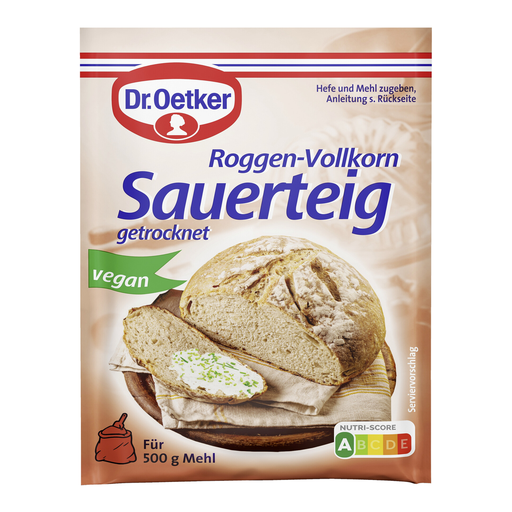
The product shown here is for home baking: it’s a dried wholemeal rye sourdough starter, not ready-to-eat bread. If you’re choosing between fresh bread and keeping some in stock, compare the relevant loaves using the criteria above.
 No image available
Dr. Oetker wholemeal rye sourdough starter, dried, 15 g
For families who want to bake their own rye sourdough bread and plan how much to make using their recipe. The dried starter comes in a 15-g pack; you’ll need additional ingredients and preparation steps to make a finished loaf.
View at Joybuy
Frequently asked questions
How can I tell if sourdough bread has a high rye content?
Check the ingredients list rather than relying on the term ‘sourdough’. Look at where rye flour, wholemeal rye flour or whole rye meal appears in relation to other flours. The term alone doesn’t prove that the bread has a high rye content.
How should I store rye sourdough bread for several people?
Store the bread according to the instructions on its packaging and how soon you plan to eat it. The Federal Centre for Nutrition notes that bread dries out in the fridge; you can portion and freeze any extra bread early.
Which allergens should I check for in rye sourdough bread?
Rye is a gluten-containing grain, and other ingredients that may cause an allergic reaction depend on the recipe. For each loaf, check the listed ingredients and any warnings about possible traces rather than assuming the name tells you everything about what’s in it.
What pack size is right for a large family?
The right pack size depends on how much bread your family will eat in time or freeze in portions. Compare the weight, how the bread is sliced and the storage instructions. Smaller portions can be useful if everyone prefers a different variety.


