
Lieferung heute & morgen

Qualitätsgarantie

Willkommens-Angebote freischalten: KOSTENLOSE Lieferung | Bis zu 80 % RABATT | Kostenlose 30-Tage-JoyPlus-Testphase
App herunterladen
S-hooks might seem straightforward at first: a bent piece of metal that hangs over a rail, cupboard edge or hook rack. In practice, however, models can vary significantly in material, dimensions, surface quality and intended use. If you focus only on a large pack size or especially low prices, you could end up with hooks that don’t fit your rail, slip out of place or quickly become unsightly in damp rooms.
This buying guide explains which factors matter to households in Germany and which products suit different needs.
A set of S-hooks with lots of pieces is handy, but it doesn’t tell you how much weight each hook can safely hold. If you’re hanging kitchen utensils, plant pots or tools, check that the hook is suitable for the weight. If no specific load capacity is given, use it only for light items.
S-hooks need to fit over a curtain pole, rail, shelf or cupboard door. If the opening is too small, you won’t be able to hang the hook. If it’s too wide, the hook may turn or slip out of place during use. That’s why the length and shape of the hook matter more than general descriptions such as ‘large’ or ‘heavy-duty’.
For kitchens, bathrooms, balconies or gardens, metal hooks with a corrosion-resistant or rust-resistant finish are generally a better choice than untreated steel. However, this doesn’t mean every product is suitable for constant exposure to water. After buying, check the material details, finish description and care instructions.
Stainless steel is a sensible choice for many uses, particularly where there’s steam or occasional moisture. Other metal hooks may also be suitable if they have a coated finish. A damp cloth is usually all you need to clean them. Harsh cleaning products can damage the surface.
With self-adhesive hooks, the adhesive strip is another factor to consider alongside the hook material. This type of hook is best suited to smooth, clean and grease-free surfaces. Wallpaper, porous plaster or damp tiles can affect how well it sticks.
For example, a 75-millimetre hook is suitable for rails, tracks or edges where there’s enough room. For cupboard doors, over-door hooks or overhanging models that fit without drilling are a better option. Check these measurements before buying:
A classic S-hook hangs in place without tools and can be moved around as needed. This makes it useful for rented homes and flexible storage systems. Self-adhesive hooks don’t need drilling, but you should wait until the recommended curing time has passed before putting them under load. If a model has a stated load capacity of 1.5 kilograms per hook, don’t exceed this limit.
For heavy items, screw-fixed hooks or a suitable hook rack are often a better fit. Always follow the fitting instructions for wall shelves and furniture, too.
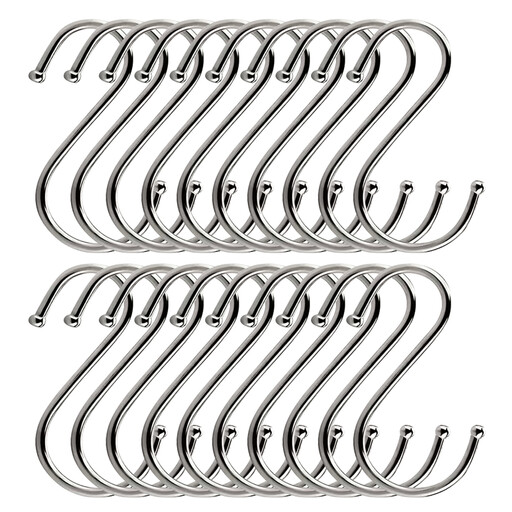
Why this product suits these needs: This set of 20 metal hooks is ideal for households looking to organise several areas, such as the kitchen, bathroom, bedroom or garden.
The stated length of 75 mm makes it easier to check that the hooks will fit existing rails and tracks. The rust-resistant finish is designed for use in a range of areas around the home.
20 hooks per pack; classic metal S-shape, 75 mm long.
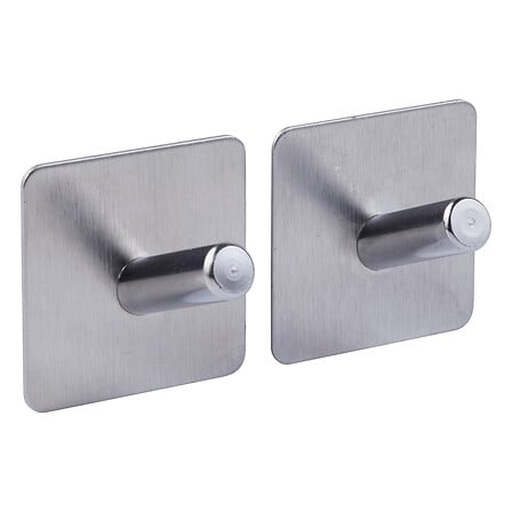
Why this product suits these needs: These self-adhesive hooks are designed for tool-free fitting on suitable smooth surfaces, such as in the kitchen, bathroom or home office.
The stated maximum load of 1.5 kg per hook gives you a clear guide. Adhesive fitting isn’t necessarily suitable for delicate or rough walls.
Set of two hooks; steel and stainless steel; maximum load of 1.5 kg per hook according to the product details.
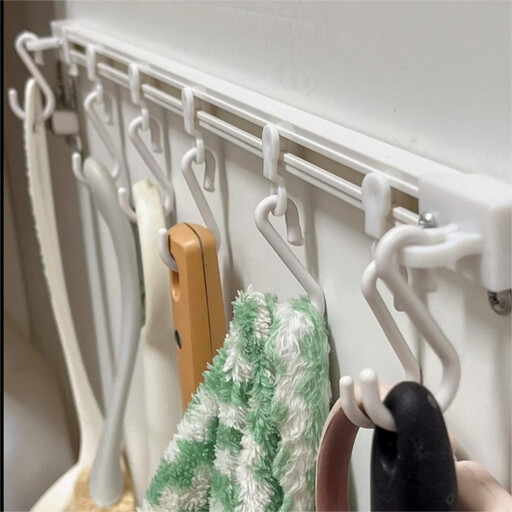
Why this product suits these needs: These kitchen hooks fit over the top of cupboard doors, creating extra hanging space for lightweight utensils without the need to drill.
Before use, check that the cupboard door’s thickness and closing mechanism are compatible with the over-door design.
Tool-free fitting over a cupboard door; designed for kitchen utensils such as ladles, mugs or oven gloves.
For decorative storage in your hallway, a wall-mounted key holder with three metal hooks can be a useful choice. If you’d like to make use of multiple levels, you’ll also find suitable options in the shelf hooks for shelving category.
We’ve put together a complete, regularly updated list of products that meet these strict selection criteria and fully comply with the safety regulations in force in the EU.
Metal hooks with a smooth, rust-resistant finish are handy in the kitchen. The key is to make sure the opening fits your rail, pole or cupboard edge. If you’re hanging heavy pans and pots, the load capacity should be clearly stated. If it isn’t, it’s safer to use the hooks for lightweight kitchen utensils.
Self-adhesive hooks can stick to smooth, dry and grease-free tiles. Clean the surface before fitting and make sure it’s completely dry. Adhesion may be weaker on damp, textured or dusty surfaces. Don’t exceed the stated load limit.
Use S-hooks for the loads they’re designed to hold, don’t overload them and clean them regularly with a soft cloth. Avoid harsh chemicals. In damp rooms, don’t let water sit on the surface for long periods, and replace hooks if they show visible signs of damage.