
Lieferung heute & morgen

Qualitätsgarantie

Willkommens-Angebote freischalten: KOSTENLOSE Lieferung | Bis zu 80 % RABATT | Kostenlose 30-Tage-JoyPlus-Testphase
App herunterladen
A reusable, BPA-free water bottle is a conscious choice for your health and the environment. But the market is crowded, and not every product delivers on its promise. Before you decide, it's crucial to know the typical pitfalls that can quickly render an initially promising bottle useless. This guide will help you identify the critical features and find a bottle that truly fits your daily life.
Many bottles look great on the shelf but reveal their flaws after just a few weeks of use. Watch out for these three common problems to avoid a purchase you'll regret:
To avoid the problems mentioned above, you should check three central aspects before buying. These determine the durability, safety, and practicality of your bottle.
The choice of material is critical to your bottle's quality. While many plastics are BPA-free, there are significant differences in durability and safety.
A reliable lid is the most important feature for keeping the contents securely in the bottle. Pay close attention to the quality of the seal.
The size and shape of the bottle should match your lifestyle.
Here are some models tailored to specific needs that meet the quality criteria mentioned.
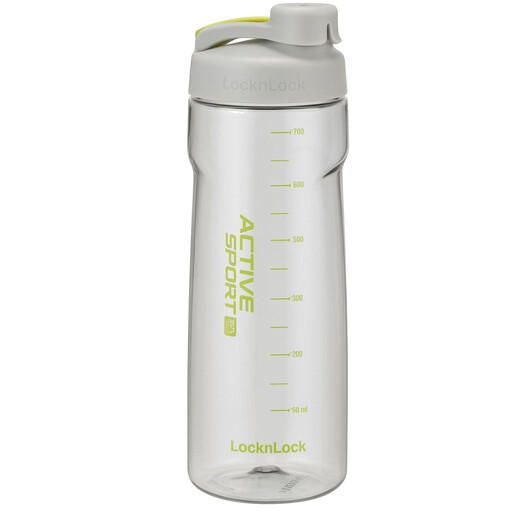
Why This Fits Their Persona: Ideal for users who need a reliable bottle for the entire day. The large 730 ml volume covers hydration needs at the office or during light activities. The integrated carrying handle and robust Tritan material make it a durable everyday companion.
The combination of a 360° silicone sealing ring and an additional silicone pad directly addresses the problem of leaky lids. The wide opening bypasses the trap of an impractical, hard-to-clean design.
Made from odour- and taste-neutral Tritan. The bottle is suitable for temperatures from -20°C to 120°C and is microwave-safe (without the lid), according to the manufacturer.
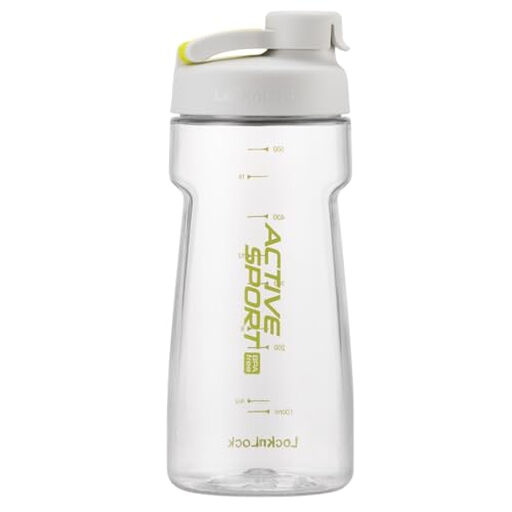
Why This Fits Their Persona: Designed for active users who need quick, one-handed operation. The one-click lid is ideal for breaks during a workout, run, or bike ride. At 550 ml, it's a great size for a single training session.
The safety slide lock prevents accidental opening in a gym bag and solves the problem of leaky flip-top lids. The one-handed mechanism is a direct answer to impractical designs that get in the way during sports.
The one-click opening mechanism allows for quick drinking. The lightweight yet robust Tritan material makes it an ideal, lightweight sports water bottle.
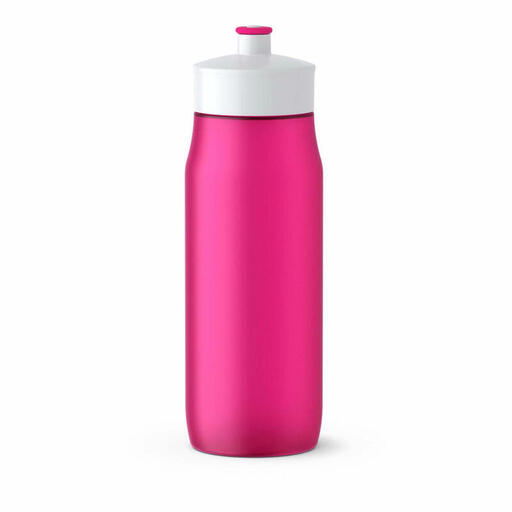
Why This Fits Their Persona: A functional and straightforward solution for athletes, especially cyclists. The design is tailored to fit standard bottle cages. The squeeze function allows for controlled hydration during a ride without having to tilt your head back significantly.
The simple push-pull valve is a time-tested mechanism that is less prone to complex seal failures. The flexible PE material is designed for its intended purpose (squeezing) and won't become brittle like unsuitable hard plastics.
The squeeze function lets you drink by simply squeezing the bottle. According to the manufacturer, it is 100% leak-proof and fits into standard bike bottle cages.
We have compiled a complete, up-to-date list of products that fully meet these strict selection criteria and rigorous safety standards.
Although Tritan is odour-resistant, regular and thorough cleaning is recommended. Rinse the bottle with warm water after each use. For a deep clean, disassemble the lid and wash all parts with warm water and mild dish soap. Allow the bottle and lid to air-dry separately to prevent moisture and odour build-up.
No, not necessarily. Whether a bottle is dishwasher-safe depends on the specific material and the manufacturer's instructions. Many Tritan bottles are suitable for the top rack of the dishwasher, but high temperatures can affect the material's clarity or damage seals over time. Hand washing is often recommended to maximise the bottle's lifespan. Always follow the manufacturer's care instructions.
This specification defines the bottle's safe operating range. A resistance down to -20°C means the bottle is freezer-safe. An upper limit of 60°C or 100°C indicates the maximum temperature of liquids you can fill it with. A bottle that is only heat-resistant up to 60°C should not be filled with boiling water, as this can lead to warping or leaks. Check this specification if you plan to use it for hot tea or other warm beverages.