
Lieferung heute & morgen

Qualitätsgarantie

Willkommens-Angebote freischalten: KOSTENLOSE Lieferung | Bis zu 80 % RABATT | Kostenlose 30-Tage-JoyPlus-Testphase
App herunterladen
The search for the right children's toys can quickly become overwhelming. Whether it's for a child's birthday gift or a just-because surprise, the selection is vast and the marketing claims are bold. But not every toy that looks impressive at first glance lives up to its promises in daily use. Many parents and relatives invest in products that quickly prove to be unsuitable, short-lived, or even unsafe.
As a Joybuy Product Recommendation Officer, I see it as my mission to help you avoid these pitfalls. In this guide, we'll focus on the crucial criteria that truly matter and show you how to distinguish durable, meaningful toys from overhyped products.
Before we dive into the positive selection criteria, it's important to understand the typical problems that lead to poor purchasing decisions.
To make an informed decision, you should focus on a few, but crucial, features. These will help you objectively assess a product's quality.
A critical factor for both durability and safety is the material. Look for robust materials like solid wood, high-quality ABS plastic, or, for vehicles like a kids' bike, lightweight yet sturdy aluminium frames. The craftsmanship is just as important: Are there sharp burrs on plastic parts? Are screws securely recessed and connections stable? A well-made motor skills toy, for example, will have smooth surfaces and withstand even intensive use.
The manufacturer's age recommendation is more than just a suggestion; it's a crucial safety notice. In particular, the warning "Not suitable for children under 36 months" points to the danger of small, swallowable parts. For toys for toddlers, the complexity should match their developmental stage. A good learning toy challenges the child without overwhelming them. For vehicles, safety features like a steering angle limiter on balance bikes are essential to prevent falls from oversteering.
Instead of being swayed by marketing buzzwords, ask yourself what specific skill the toy promotes.
A good toy often offers open-ended play possibilities rather than just a single, predetermined sequence.
Here are some product recommendations tailored to different needs and age groups that meet the criteria mentioned above.
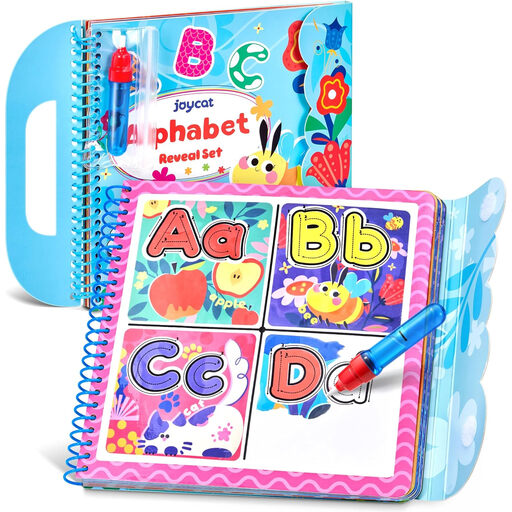
Why This Fits Their Persona: Ideal for parents seeking a creative and educational activity that is completely mess-free. Perfect as a travel toy for on-the-go entertainment, as it's compact and only requires water.
It bypasses the short-lifespan trap through its reusability. The pages dry and can be coloured in again and again. The educational benefit is clearly defined: It promotes proper pencil grasp and letter recognition.
Reusable and clean, as it only uses water. Specifically promotes fine motor skills and an early understanding of letters.
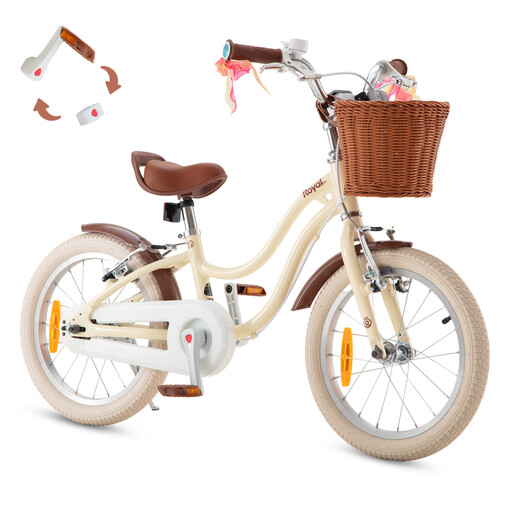
Why This Fits Their Persona: For parents looking for a long-term investment in their child's mobility. Thanks to its 2-in-1 system, this bike grows with the child from a balance bike to a pedal bike and is designed for daily use.
The high-quality aluminium frame makes it lightweight and rust-resistant, avoiding the short-lifespan trap. Its functionality is clearly focused on motor skill development, rather than just being a toy.
Lightweight aluminium frame and a patented crank system for tool-free conversion between balance bike and bicycle modes.
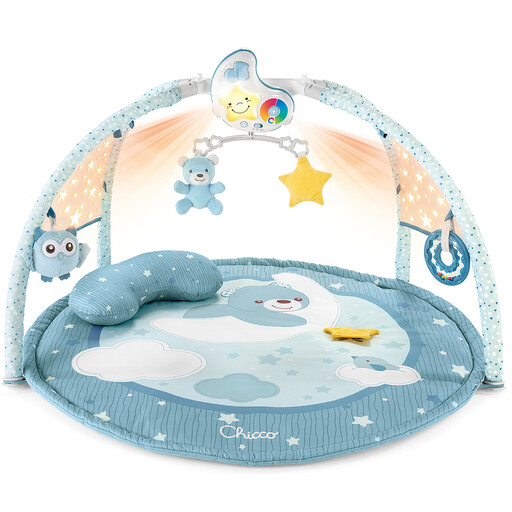
Why This Fits Their Persona: Perfect for new parents looking for a versatile toy for babies that grows with them. It combines a play gym, play mat, and nightlight in one product and promotes sensory development.
This product escapes the "Educationally Valuable" myth with clearly defined functions: The different modes (Fun, Relax, Entertainment) with matching colours and melodies offer a tangible benefit for the baby's development.
3-in-1 functionality (play gym, play mat, nightlight) with customisable light and music modes. The mat and pillow are machine-washable.
Whether for the little ones or as Christmas gifts for preschoolers, discover more carefully selected products that meet our criteria for safety and durability.
1. How do I recognise safe children's toys? Look for the CE mark, which confirms compliance with EU safety standards. Additionally, check the toy for sturdy construction, rounded edges, and the absence of small, easily detachable parts, especially for toys intended for children under three. The manufacturer's age recommendation is a key indicator.
2. What does "educationally valuable toy" really mean? An "educationally valuable toy" should specifically promote a child's development. Instead of relying on the term, examine its function: Does it stimulate creativity (e.g., building blocks), promote fine motor skills (e.g., a motor skills toy), or support logical thinking (e.g., puzzles)? The benefit should be clear and not just a marketing promise.
3. How often should you buy toys for children? Quality over quantity. Instead of buying many cheap toys, it's often more sensible to invest in a few durable and versatile products. A good balance bike or a set of high-quality building blocks can accompany a child for years and is a more sustainable choice than short-lived trendy items that quickly gather dust on the shelf.