
Lieferung heute & morgen

Qualitätsgarantie

Willkommens-Angebote freischalten: KOSTENLOSE Lieferung | Bis zu 80 % RABATT | Kostenlose 30-Tage-JoyPlus-Testphase
App herunterladen
The transition to solid food is a significant milestone for babies and parents. While the curiosity for new flavours is exciting, it often brings a bit of mess to the dining table. Choosing the right baby plate can make this process much easier and support your child in learning to eat independently. This guide will walk you through the most important features of children's plates and present a selection of practical models for 2026 to simplify your buying decision.
As your Joybuy Product Recommendation Officer, my mission is to provide you with objective and factual information so you can make an informed choice that meets your family's needs.
The variety of plates for little ones is vast. Three key criteria will help you find a suitable and safe model.
The material is one of the most critical aspects. Most modern baby plates are made from food-grade silicone or durable plastics like PBT (polybutylene terephthalate).
A good weaning plate is more than just a container for food. It actively supports your child's motor skill development.
The plate should match your child's developmental stage. For starting solids from 6 months, smaller plates or bowls are suitable. As portions get larger and the child begins to eat on their own, larger plates with dividers or higher rims are more practical. The design can also play a role; appealing colours or shapes can increase their motivation to eat.
Based on the criteria mentioned, we have curated a selection of plates that stand out for their functionality and material quality.
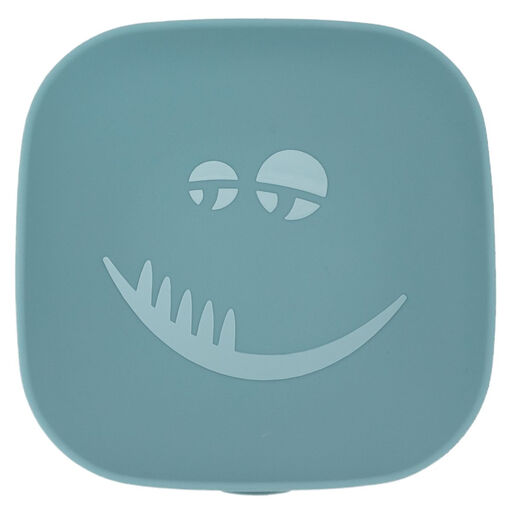
Why it's a winner: This plate combines a strong suction base with a motivational design. The monster face at the bottom is only revealed when the plate is empty, providing extra encouragement.
Benefits:
Best for: Parents looking for an exceptionally non-slip and playful weaning plate for their child's first attempts at independent eating.
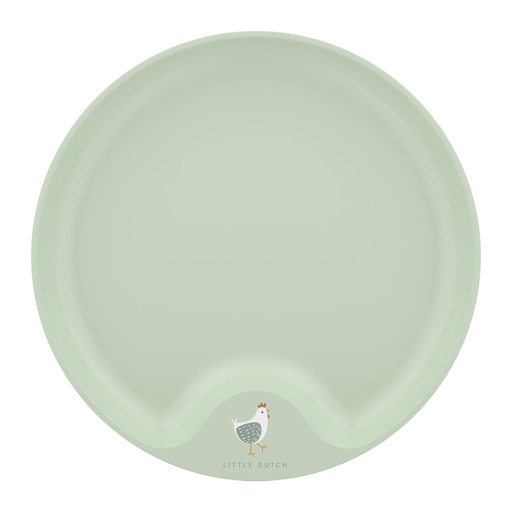
Why it's a winner: A classic, highly durable children's plate made of PBT, whose high, rounded edges are perfect for supporting independent eating. The charming design of the "Little Dutch Farm" collection is an added visual treat.
Benefits:
Best for: Families who prefer a durable and lightweight plate without a suction base for toddlers who have already gained some experience with self-feeding.
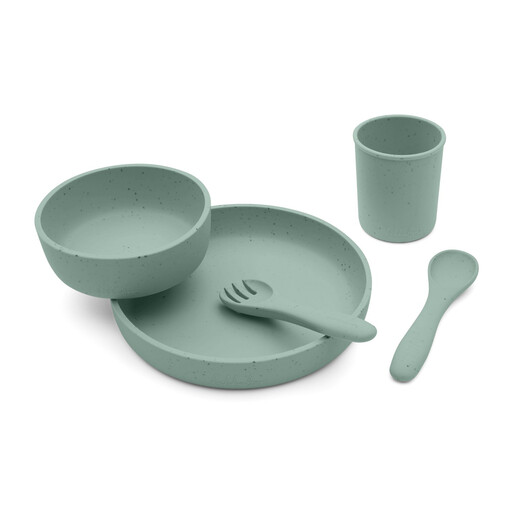
Why it's a winner: This children's dinnerware set provides a complete starter kit for the weaning journey. All pieces are made from high-quality platinum silicone, which is extremely temperature-resistant and versatile.
Benefits:
Best for: Parents seeking a complete, coordinated solution for introducing solid foods, who value a unified design and maximum flexibility in preparation and cleaning.
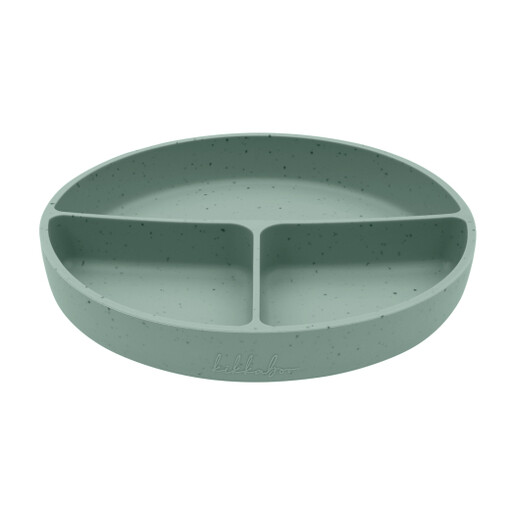
Why it's a winner: This divided plate with a strong suction base is ideal for serving different components of a meal separately. The high-quality platinum silicone makes it durable and safe.
Benefits:
Best for: Parents who want to offer their child a varied diet while keeping individual foods visually and tastefully separate.
Haven't found the right model for you yet? No problem. In our wide selection of children's plates, you'll find many more designs, materials, and sets that fit your child's individual needs.
A special baby plate is useful from the start of the weaning process, typically around the 6-month mark. A baby training plate with supportive features like a suction base or a raised edge can help make mealtimes more relaxed for both child and parents right from the beginning.
Food-grade silicone is a very popular choice because it is unbreakable, flexible, and easy to clean. It is crucial that the material is declared BPA-free. Robust plastics like PBT are also a good option due to their durability and safety, provided they comply with the relevant EU standards for food contact materials.
Most silicone baby plates are suitable for cleaning in the dishwasher. For stubborn stains from foods like carrots or tomatoes, it can help to soak the plate in a mixture of water and baking soda or, if permitted by the manufacturer, to boil it briefly. Always follow the manufacturer's care instructions to ensure the product's longevity.