
Lieferung heute & morgen

Qualitätsgarantie

Willkommens-Angebote freischalten: KOSTENLOSE Lieferung | Bis zu 80 % RABATT | Kostenlose 30-Tage-JoyPlus-Testphase
App herunterladen
Searching for the perfect toy online can quickly become overwhelming. With a vast selection and persuasive product descriptions, it's tough to tell a durable, engaging product from one that will lose its appeal after just a few days. Many shoppers face common pitfalls that lead to unnecessary spending:
This guide provides objective criteria to help you navigate the market and make an informed purchasing decision.
To avoid bad purchases, it helps to evaluate a few core features. These three points provide a framework for better assessing a toy's quality and suitability.
The CE marking is a fundamental indicator. It shows that the manufacturer declares the product meets applicable EU requirements for safety, health, and environmental protection. For toys, this is especially relevant for chemical safety (standard EN 71-3) and mechanical properties (standard EN 71-1). Look for mentions of robust materials like ABS plastic for building blocks or non-toxic fabric for toys for toddlers.
The age recommendation on the packaging is a starting point, but it's not a strict rule. Consider the child's individual development and interests.
Check whether a toy encourages repeated and varied play. Creative toys, such as comprehensive art sets or modular building kits, offer endless possibilities and foster imagination over a long period. In contrast, heavily trend-based toys that perform only a single function can quickly lose their appeal.
To make the choice easier, we've matched a few products to different user profiles.
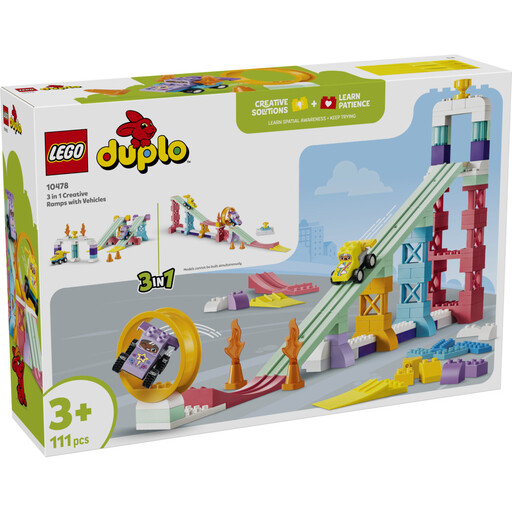
Why It's a Great Fit: Designed for toddlers aged 3 and up, this set is specifically built to foster early skills. It supports colour recognition, problem-solving, and the development of emotional intelligence through playful experimentation.
The clear age recommendation and large, sturdy DUPLO bricks are perfectly matched to the target audience, avoiding frustration from overly complex tasks.
The 3-in-1 design allows for three different models to be built from the same bricks, ensuring high and long-lasting play value.
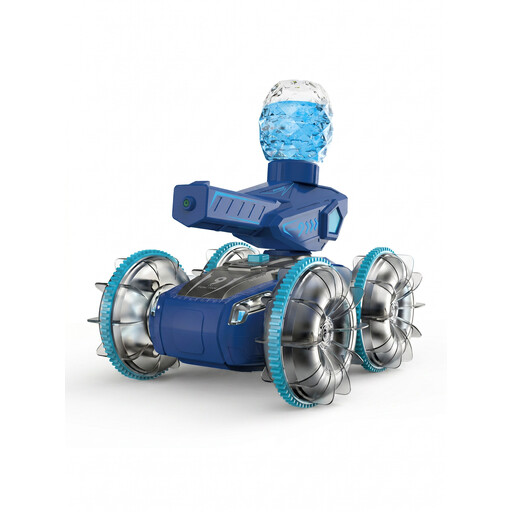
Why It's a Great Fit: This vehicle combines RC control with stunt capabilities, 360° rotation, and a water-spraying function. It's designed for kids who want an action-packed and versatile play experience.
Unlike basic RC vehicles, this model's gesture control and amphibious function offer an expanded feature set that meets the expectations of tech-savvy kids and prevents boredom.
Its ability to drive on both land and water makes it an all-terrain toy that can be used in various environments, like the garden, at the beach, or in a pool.
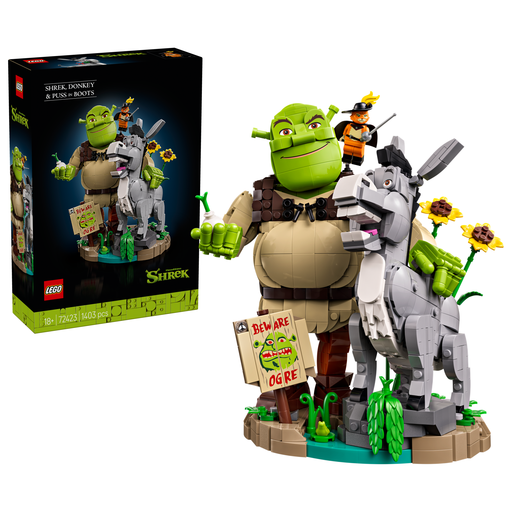
Why It's a Great Fit: This set is aimed specifically at adult fans (18+) of the Shrek universe. It's designed as a sophisticated build-and-display model, appealing to collectors and lovers of film memorabilia.
By clearly positioning it as a collector's item for adults, it avoids mismatched expectations. This isn't a traditional toy but a detailed model for a display case.
The set includes posable figures of Shrek and Donkey, a Puss in Boots minifigure, and hidden details ("Easter eggs"), which increases its collector value and the joy of building.
We've compiled a comprehensive, up-to-date list of products that fully meet these strict selection criteria and safety regulations.
1. What should I look for with the CE marking on toys? The CE marking is a self-declaration by the manufacturer. It should be visibly and permanently affixed to the toy, its packaging, or an accompanying document. It signals conformity with EU safety standards (e.g., EN 71). For online purchases, check if this information is available in the product description or on the manufacturer's official website.
2. How do I find the right LEGO set for a specific age? LEGO provides clear age recommendations on every box. For younger children (1.5–5 years), the DUPLO line is suitable with its larger, safer bricks. For older kids, the "Creator 3-in-1," "City," or "Friends" series offer age-appropriate challenges. For teens and adults, the "Technic," "Icons," or special pop culture-themed sets provide complex and challenging building experiences. In addition to age, consider the child's interests (vehicles, animals, fantasy).
3. What does "blind box" mean for collectible figures? A "blind box" or "mystery box" contains a random figure from a larger collection. You don't know which character is inside before opening it. Product descriptions often state the probability of finding regular or rare figures (e.g., 1/12 or 1/36). This model is designed around the fun of collecting and trading. However, it's important to understand that acquiring a specific figure with a single purchase is not guaranteed.