
Lieferung heute & morgen

Qualitätsgarantie

Willkommens-Angebote freischalten: KOSTENLOSE Lieferung | Bis zu 80 % RABATT | Kostenlose 30-Tage-JoyPlus-Testphase
App herunterladen
By Joybuy Product Recommendation Officer, August 28, 2026
The search for an effective solution for blemish-prone skin can often feel like navigating a maze of marketing promises. In particular, salicylic acid for blemishes is frequently promoted as a key active ingredient. However, not every product delivers on its promise. Many users invest in products that worsen their skin problems or are simply ineffective. This guide will help you identify the most common pitfalls and make an informed choice.
Before you add a product to your cart, you should be aware of the common misconceptions that often lead to disappointment.
To avoid a bad buy, focus on these objective criteria that determine a product's effectiveness.
Salicylic acid, also known as a Beta-Hydroxy Acid (BHA), is oil-soluble. This allows it to penetrate deep into the pores to dissolve sebum and dead skin cells—a key function in acne treatment and reducing blackheads.
Combining active ingredients can boost the effectiveness of your blemish-prone skincare while improving tolerability.
Here are some product recommendations tailored to different needs and skin types.
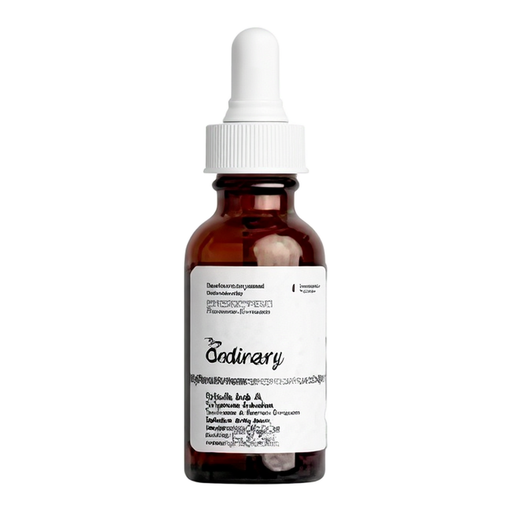
Why This Fits Their Persona: Ideal for those using a 2% salicylic acid product for the first time. The anhydrous, squalane-based formula ensures a slower, gentler delivery of the active ingredient to the skin.
This product sidesteps the "more is more" trap. Although it contains 2% salicylic acid, the squalane base acts as a buffer, minimising potential irritation while simultaneously nourishing the skin.
Combines effective exfoliation with hydrating care. The formula is designed to maximise tolerability.
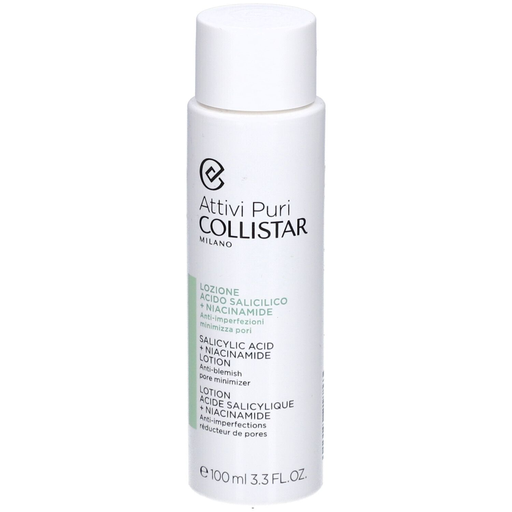
Why This Fits Their Persona: For savvy users seeking a multi-functional solution. This lotion combines the clarifying effects of salicylic acid with the barrier-strengthening and pore-refining properties of niacinamide.
This product addresses the pitfall of neglecting the overall formula. It relies on the synergy of Niacinamide and Salicylic Acid to combat blemishes while promoting overall skin health.
Alcohol-free and fragrance-free formula that refines pores and minimises skin irregularities. It optimally prepares the skin for subsequent skincare steps.
We've compiled a complete, up-to-date list of products that fully meet these strict selection criteria and local regulations.
Can I use salicylic acid every day? It depends on the concentration and product type. A low-concentration face wash (e.g., 0.5%) can often be used daily on oily skin. Higher-concentration serums (1-2%) should initially be applied only 2-3 times a week to test your skin's tolerance. Always monitor your skin's reaction and adjust the frequency accordingly.
What's the difference between Salicylic Acid (BHA) and AHA? Salicylic acid (BHA) is oil-soluble and can penetrate deep into the pores to dissolve sebum and blockages. This makes it ideal for oily skin, blackheads, and enlarged pores. Alpha-Hydroxy Acids (AHAs), like glycolic acid, are water-soluble and work primarily on the skin's surface. They are well-suited for improving skin texture and reducing hyperpigmentation.
Do I need to use sunscreen after applying salicylic acid? Yes, using sunscreen is essential. As an exfoliating agent, salicylic acid can increase the skin's sensitivity to the sun. A daily broad-spectrum sunscreen with SPF 30 or higher will protect the skin from UV damage and prevent the positive effects of the treatment from being undone.