
Lieferung heute & morgen

Qualitätsgarantie

Willkommens-Angebote freischalten: KOSTENLOSE Lieferung | Bis zu 80 % RABATT | Kostenlose 30-Tage-JoyPlus-Testphase
App herunterladen
Oily skin, clogged pores and blackheads often lead to an extensive skincare routine. But not every product labelled "BHA", "pore cleansing" or "acid care" is automatically suitable. Salicylic acid facial care can be used as a cleanser, toner, lotion, serum or mask, depending on the formulation. What matters are the concentration, contact time, skin condition and how it's combined with other active ingredients.
This buying guide will help you interpret marketing claims and make an informed choice when selecting a product for BHA face, salicylic acid for spots, care for oily skin or care for blackheads.
The term BHA only tells you about the active ingredient group. A rinse-off salicylic acid cleanser stays on the skin for much less time than a leave-on product such as a BHA toner or lotion. The actual concentration and pH level also influence the formulation.
A product with a stated 2% salicylic acid is not directly comparable to one that simply lists "BHA" or "Betaine Salicylate". If you can't tell the difference, you might end up paying for what you think is intensive care, when in fact the application is very mild.
AHA, BHA and PHA serve different purposes, but they all belong to the chemical exfoliant family. If you combine an AHA serum, a BHA toner and an AHA-BHA mask on the same evening, it can lead to dryness, stinging or redness.
When you're starting out, it makes sense to introduce only one acid product into your routine. A gentle cleanser or a low-dose lotion is usually easier to manage than several leave-on products at once.
Pores are a natural part of your skin. Cosmetic products can temporarily improve the appearance of sebum, shine and clogged pores. You shouldn't expect a permanent change in pore size from a facial cleanser for blemish-prone skin.
Terms like "acne care" in cosmetics refer to the care of blemished or blemish-prone skin. For painful, severely inflamed or persistent skin conditions, it's best to seek dermatological advice.
Look for "Salicylic Acid" or "Betaine Salicylate". These two are not the same. A precise percentage makes it easier to assess the product, but it should always be considered in the context of the whole formulation.
Additional ingredients can complement your routine: Niacinamide facial care is often combined with BHA, while glycerin, panthenol, hyaluronic acid or allantoin can support hydrating formulations. Fragrance, essential oils or denatured alcohol, on the other hand, are potential points to check if you have sensitive skin.
Before using any product over a large area, it's advisable to do a patch test on a small area of skin. Do not apply to broken, irritated or freshly scratched skin. If stinging, redness or a rash persists, stop using the product.
For leave-on products containing AHA or BHA, it's sensible to use a broad-spectrum sunscreen during the day. Avoid the eye and mouth area. Products containing salicylic acid are not intended for children under three years of age; any additional age or allergy warnings on the packaging should be followed.
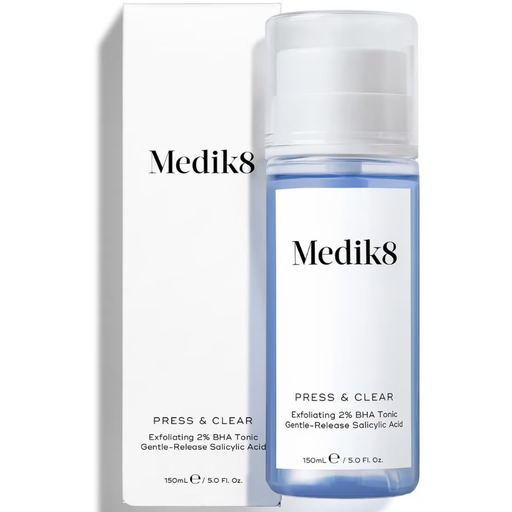
Why this product suits the profile: The clearly stated 2% concentration makes it easier to dose for buyers who want to compare ingredients and usage frequency precisely.
The usage recommendation suggests starting with evening use only. This helps you avoid combining several acid products without control.
2% encapsulated salicylic acid according to the product description, plus aloe vera and sake ferment filtrate on the INCI list.
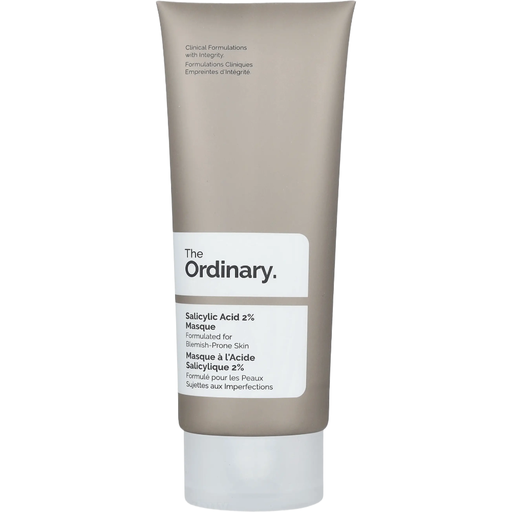
Why this product suits the profile: The mask is designed for those who want a time-limited application and don't need a daily acid product.
The product instructions limit use to once or twice a week for a maximum of ten minutes. This sets clear boundaries for usage.
2% salicylic acid, plus kaolin, squalane and charcoal powder according to the INCI list; formulated for oily and blemish-prone skin.
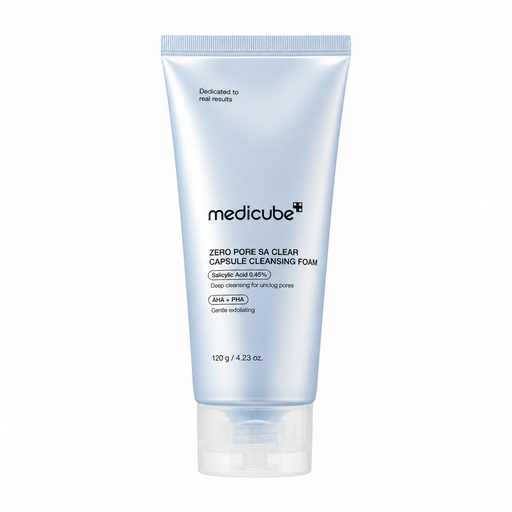
Why this product suits the profile: The combination of AHA, BHA and PHA fits well into a multi-step K-beauty routine, provided you aren't already using several exfoliants.
As a rinse-off cleansing foam, the acid care product isn't automatically combined with another leave-on exfoliant.
AHA, BHA and PHA acids, plus niacinamide and centella asiatica extract according to the product description; 120 g content as stated on the product.
We've put together a full, regularly updated list of products that fully meet these strict selection criteria and the safety regulations in force in the EU.
Niacinamide facial care can be used as a supplement, depending on your individual tolerance. However, it doesn't replace a moisturiser, and it doesn't make a cautious introduction of salicylic acid unnecessary.
That depends on the product type, concentration and your skin's tolerance. A cleanser is rinsed off after massaging and may be suitable for more frequent use according to the packaging. With toners, serums and masks, start with the lowest recommended frequency and adjust slowly. If irritation occurs, pause use.
Both ingredients can generally be part of a routine. However, for sensitive skin, it's still sensible to introduce new products one at a time. This makes it easier to identify which product is causing any intolerance.
The printed expiry date and the symbol for shelf life after opening, such as "12M", are what matter. Close the product after each use and store it according to the packaging instructions, usually in a dry, cool place away from direct sunlight.