
Lieferung heute & morgen

Qualitätsgarantie

Willkommens-Angebote freischalten: KOSTENLOSE Lieferung | Bis zu 80 % RABATT | Kostenlose 30-Tage-JoyPlus-Testphase
App herunterladen
Blemish-prone skin, a shiny T-zone and visible blackheads often lead people to look for targeted salicylic acid skincare. BHA products can be a good fit for a skincare routine for oily or blemish-prone skin. But it’s not just the advertised active ingredient that matters: the overall formulation, how you use the product and how well your skin tolerates it are all important.
Product packaging often lists percentages such as 2% salicylic acid or 4% betaine salicylate. These figures aren’t directly comparable, as products may use different salicylate compounds and formulations. The pH, contact time and type of product also affect how it should be used.
A cleansing gel is rinsed off after a short time, while a toner or serum stays on the skin for longer. Combining several intensive products can put unnecessary strain on your skin.
Skincare for oily skin shouldn’t focus only on the T-zone. Alcohol, fragrance, essential oils or a strongly drying cleanser can feel uncomfortable on sensitive skin. So it’s worth checking the full ingredients list, as well as looking for claims such as fragrance-free, alcohol-free or non-comedogenic, where these are stated by the manufacturer.
Scrubs, cleansing brushes and chemical exfoliants work in different ways. Using them at the same time or too often can increase the risk of dryness, tightness and redness. A clearly structured routine is usually easier to manage than introducing several new products at once.
A salicylic acid cleanser may be a good place to start if you prefer a shorter contact time. A salicylic acid facial toner, leave-on BHA exfoliant or serum, on the other hand, stays on the skin and should be introduced gradually.
Check the specific directions for use:
Salicylic acid, or BHA, is often combined with niacinamide, panthenol, glycerin or hyaluronic acid. These ingredients can complement the formula by supporting skin conditioning and hydration. If you’re new to a BHA exfoliant containing several acids, such as AHA, BHA and PHA, pay particular attention to the recommended frequency of use.
If you already use retinoids, other acids or heavily fragranced products, avoid adding several more active products to your routine at the same time.
Before using a product over a larger area for the first time, test it on a small patch of skin. Avoid contact with your eyes and mucous membranes. Stop using the product if you experience stinging, persistent redness, a rash or significant discomfort. Exfoliating products can make your skin more sensitive to the sun, so using a suitable sunscreen during the day is a good idea.
Cosmetics are not a substitute for dermatological advice if you have severe or persistent skin concerns.
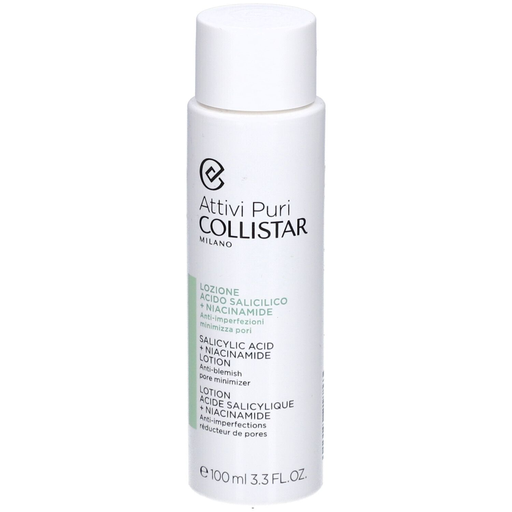
Why this product suits this profile: This alcohol-free, fragrance-free lotion combines salicylic acid with niacinamide. You can apply it all over your face after cleansing or target the T-zone.
The alcohol-free and fragrance-free labels help shoppers check a formulation detail that’s often overlooked.
100 ml, a pump dispenser and a combination of salicylic acid and niacinamide.
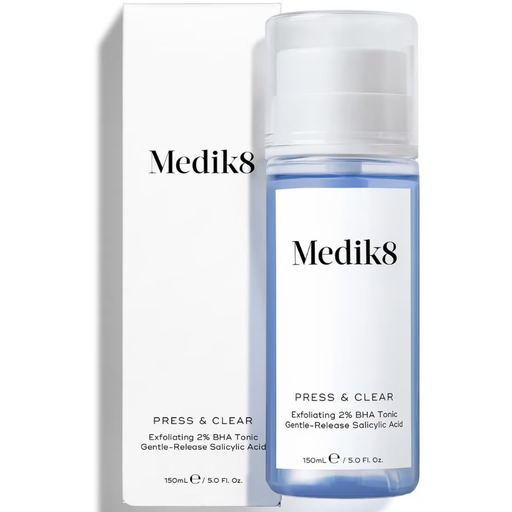
Why this product suits this profile: This leave-on toner is listed as containing 2% encapsulated salicylic acid and 2% tranexamic acid. It’s recommended for evening use to start with, and you can adjust how often you use it if your skin tolerates it well.
The directions recommend introducing it gradually and using sunscreen every day. This makes it easier to control the intensity than using it repeatedly on impulse.
150 ml and encapsulated salicylic acid, according to the product information.
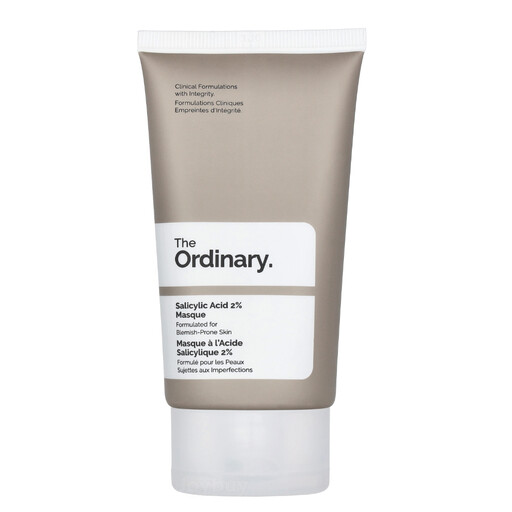
Why this product suits this profile: According to the directions, this mask is intended for use once or twice a week and also contains kaolin and activated charcoal.
A maximum application time of ten minutes and weekly use help prevent uncontrolled, continuous use.
2% salicylic acid, 50 ml, plus kaolin and activated charcoal in the formula.
We’ve put together a complete, regularly updated list of products that meet these strict selection criteria and fully comply with the safety regulations in force in the EU.
Start with one BHA product and use it as directed by the manufacturer, for example every other evening or every third evening. A simple routine could look like this:
If your skin becomes sensitive, reduce how often you use the product or take a break from it. You don’t need to combine a serum for blemish-prone skin with another BHA exfoliant if that means using the same types of active ingredients multiple times.
It depends on the type of product, its concentration and how well your skin tolerates it. You may be able to use a cleanser more frequently, in line with the label. Leave-on products should usually be introduced gradually. If you’re trying a new BHA exfoliant, starting with applications spaced further apart is a cautious approach.
Salicylic acid is used in cosmetic formulations to loosen dead skin cells and excess oil on the skin’s surface and around pores. Claims about its individual effects on spots, blackheads or acne can’t be applied to everyone. If your symptoms persist, it’s sensible to seek dermatological advice.
The visible size of pores can’t be changed permanently. However, a suitable cleanser and a BHA product your skin tolerates may help pores look less congested. The key is to use products appropriately, moisturise and apply sunscreen every day.