
Lieferung heute & morgen

Qualitätsgarantie

Willkommens-Angebote freischalten: KOSTENLOSE Lieferung | Bis zu 80 % RABATT | Kostenlose 30-Tage-JoyPlus-Testphase
App herunterladen
Blackheads, a shiny T-zone and clogged pores can quickly lead to an overly complicated skincare routine. A foaming cleanser, a BHA toner, an exfoliator and a salicylic acid serum may all seem like sensible choices at first. But using several exfoliating products at the same time can leave your skin feeling dry, tight or red.
This guide explains what to look for in salicylic acid skincare and which type of product may suit your needs. It focuses on clear, useful information such as concentration, frequency of use, product type and ingredients – not blanket marketing claims.
Salicylic acid is also known as BHA. A cleansing product is rinsed off after a short time, while a toner, serum or mask stays on your skin for longer. That means concentrations and how often to use each product can’t be compared directly.
A BHA facial cleanser may be designed for regular use. A leave-on product with 2 % salicylic acid, on the other hand, is usually introduced gradually into your routine. Always check the instructions on the packaging and product page.
Some formulas combine AHA, BHA and PHA. Others also contain niacinamide, plant extracts or fragrance. But a long list of active ingredients isn’t a good reason on its own to choose a product. If you already use a BHA toner, think carefully before adding an acid exfoliator and a salicylic acid mask on the same day.
To keep your routine simple, start with just one exfoliating product. You can adjust how often you use it once you know your skin tolerates it well.
Facial scrubs with particles and cleansing brushes create friction on the skin. This makes them different from chemical exfoliants containing salicylic acid. If your skin is sensitive, irritated or damaged, follow the product instructions and avoid adding extra friction.
Where the manufacturer provides one, product information should include a specific concentration. Examples in this selection include 0.5 % salicylic acid in the Salicylic Acid Daily Gentle Cleanser and 2 % salicylic acid in the Medik8 Blemish SOS Gel and Medik8 Press & Clear Toner.
Other ingredients can affect how a product feels and works. For example, niacinamide is combined with salicylic acid in several formulas. If you have sensitive skin, alcohol, essential oils or fragrance may also be worth considering. Always check the full ingredients list on the packaging, as formulas can change.
Lighter textures and products for the T-zone are often a good fit for oily skin, combination skin or skin with excess sebum. If your skin is dry or sensitive, add a rich, fragrance-free moisturiser. Salicylic acid is not a substitute for moisturiser.
Try new products on a small area of skin first. Stop using the product if redness, stinging or discomfort persists. Don’t apply products to broken skin or around the eyes. If you use exfoliating products during the day, sunscreen with a suitable SPF is a sensible addition.
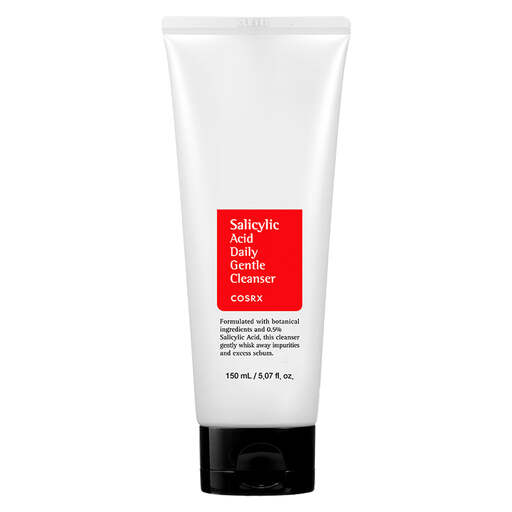
Why it suits this profile: According to the product information, this facial cleanser contains 0.5 % salicylic acid and is rinsed off after lathering. It’s an easy way to include BHA in a simple cleansing routine.
The concentration and product type are clearly stated. As you rinse the cleanser off, contact time is limited; however, you should still follow the instructions on the packaging.
0.5 % salicylic acid, a foaming texture, plus tea tree oil and willow bark water according to the product description.
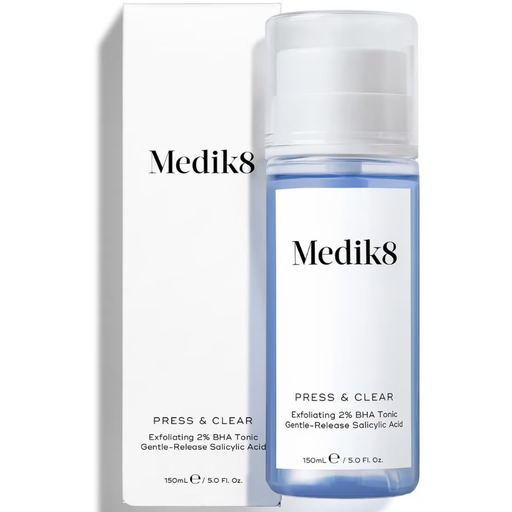
Why it suits this profile: According to the product information, this leave-on toner contains 2 % encapsulated salicylic acid and 2 % tranexamic acid. It’s recommended that you start by using it once a day, preferably in the evening.
The instructions recommend increasing use gradually only if your skin tolerates the product well. This avoids suggesting that twice-daily use is necessary for everyone.
2 % encapsulated salicylic acid, aloe vera juice and clear instructions for use after cleansing.
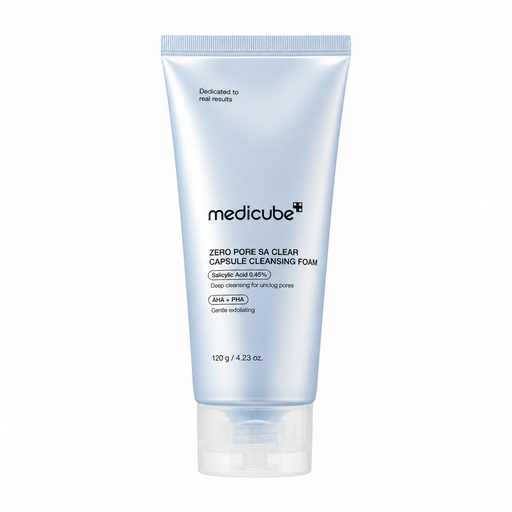
Why it suits this profile: According to the product description, this foaming cleanser combines AHA, BHA and PHA with niacinamide. It’s aimed at people who prefer a multi-step Korean skincare routine that starts with cleansing.
The acids are part of a rinse-off cleansing step. If you also use a BHA toner, make sure the products in your routine work well together.
AHA, BHA and PHA acids, micro-capsules according to the product description, plus niacinamide and Centella extract.
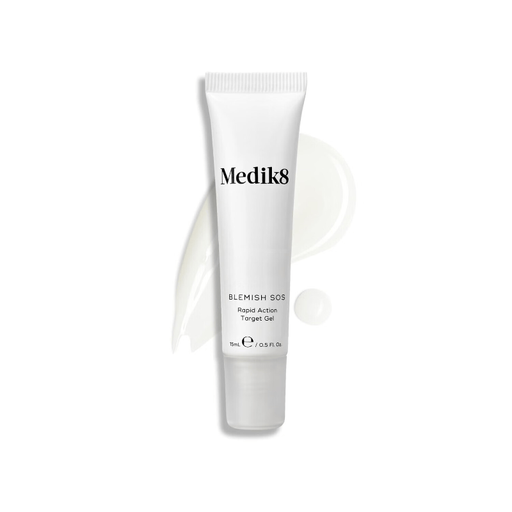
Why it suits this profile: According to the product information, this gel contains 2 % salicylic acid and is designed for targeted application. It may be an alternative to applying an exfoliant over a larger area.
Apply it directly to individual spots to limit the area being treated. Always follow the guidance on frequency of use and skin tolerance.
2 % salicylic acid, a gel texture, plus niacinamide and azelaic acid according to the product information.
We’ve put together a complete, regularly updated list of products that meet these strict selection criteria and fully comply with the safety regulations in force in the EU.
A simple routine could look like this:
If you’re looking for an exfoliant for blackheads, remember to distinguish between a chemical BHA product and a physical scrub. A niacinamide product without acids may be an option for days when you don’t want to exfoliate.
It depends on the product type and formula. A cleansing product is rinsed off, while a toner or mask stays on your skin for longer. With leave-on products, it’s sensible to start slowly – for example, by using them on selected evenings. Always follow the manufacturer’s specific instructions.
Many formulas already combine both ingredients, including some lotions and creams. If you’re using them in separate products, keep your routine simple. If you have sensitive skin, a cautious approach is to use them on different days.
This depends on the pack size, how much you apply and how often you use it. A 150-ml cleanser is usually used differently from a 30-ml serum or a targeted gel. To work out the cost per use, consider not just the purchase price but also the amount you need and what you’ll actually use the product for.