What should you look for when buying?
First decide what matters most for your class: the salsa’s texture, the quantity you can prepare in one go, additional cutting options or ease of cleaning.
| What matters |
What to check before buying |
Who is this important to? |
| Controlling the texture |
A pulse function or the ability to control the appliance in short bursts, a suitable chopping blade and the option to check how finely the ingredients have been chopped. Don’t assume a pulse function will produce a particular dice size. |
If I want chunky salsa, I want to be able to stop the chopper and check the result as I go. In this cookery-class scenario, around 33% of consumers care most about the texture. |
| Portion size and number of batches |
Compare the recipe quantity with the permitted working capacity of the specific bowl, especially for salsa with a high liquid content. Check the difference between bowl volume and working capacity. |
When I’m cooking for several people in a class, I want to know how many batches I’ll need to make. Around 27% of consumers mainly consider portion size. |
| Slicing or grating other ingredients |
Check the accessories included with the exact variant to see whether it comes with a chopping blade and the slicing or grating discs you need. |
If I’m preparing other vegetables for the class too, I want the appliance to cover the cutting options I need. Around 20% of consumers prioritise versatile food preparation. |
| Cleaning between batches |
Check the instructions for each part to see whether it can be removed and is dishwasher-safe. Wash ingredients before preparation and chill salsa appropriately if it will be served later. |
When making several batches, I want to be able to clean the parts that come into contact with food quickly and according to the instructions. Around 20% of consumers say ease of cleaning is the deciding factor. |
Joybuy products for salsa and vegetable preparation
This selection includes choppers for chopping ingredients and food processors with additional slicing or grating accessories. Before use, check the information for the parts that come into contact with food, as well as the filling guidance and care instructions for the specific variant.
 No image available
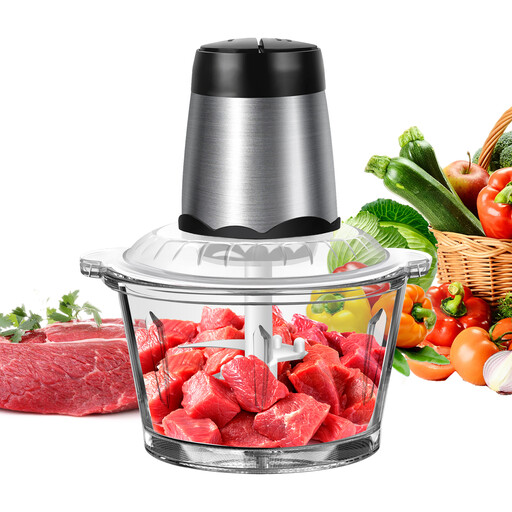
Electric chopper with 2-l glass bowl
Could be worth considering for salsa batches if you’re looking for a glass bowl and a pulse function.
The description lists two speed settings, a pulse function, stainless steel blades and a 2-l glass bowl. Bowl volume doesn’t tell you how much salsa the chopper can process.
Joybuy
 No image available
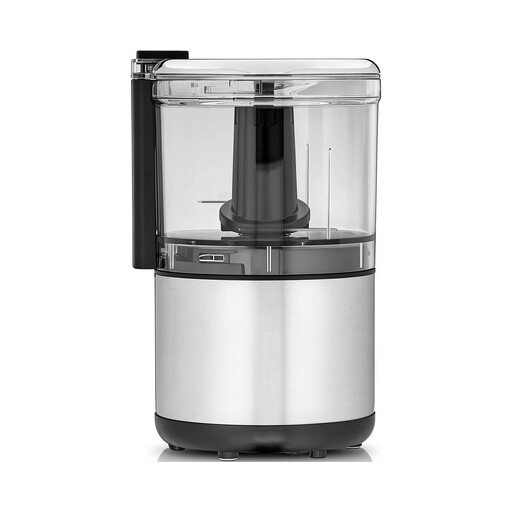
Electric chopper with 0.3-l container
The compact container may suit smaller preparations; if you’re making several portions for a cookery class, allow for the number of batches you’ll need.
Features listed include a 0.3-l plastic container, two blades and removable, dishwasher-safe parts.
Joybuy
 No image available
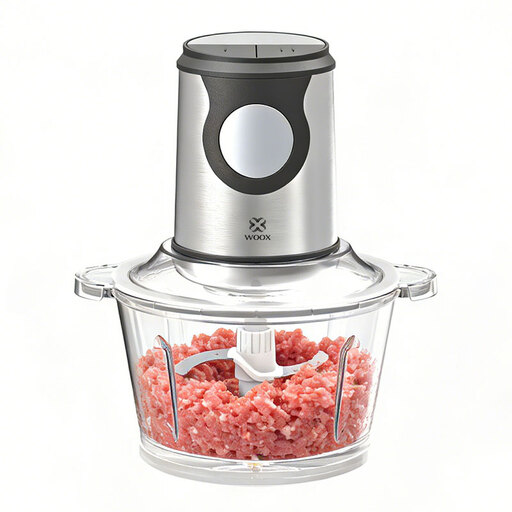
WOOX chopper with 1.5-l glass bowl
The product description lists salsa as a suggested use, so this model may be worth considering for preparing chopped ingredients.
Features listed include a glass container with a capacity of 1.5 l and stainless steel blades. The container capacity doesn’t tell you the actual working capacity for salsa.
Joybuy
 No image available
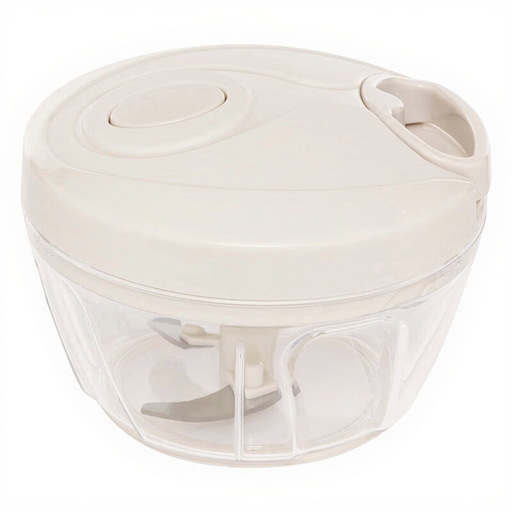
5five Mini Food Processor
Could be an option for smaller chopping tasks if you’re looking for a manually operated appliance.
The description lists a pull-cord mechanism, stainless steel blades and a transparent container. No electric motor is specified.
Joybuy
 No image available
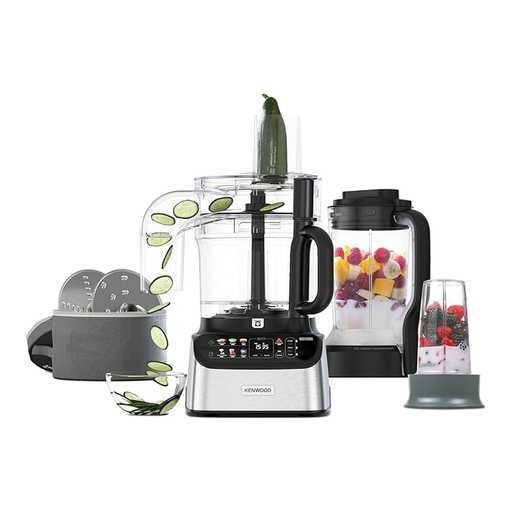
Kenwood MultiPro OneTouch FDM73850SS
Worth considering if you’d like to use slicing and grating accessories as well as chopping ingredients.
Features listed include a blade, slicing and grating discs, a 3-l bowl and dishwasher-safe parts. Bowl volume shouldn’t be confused with the working capacity for salsa.
Joybuy
Frequently asked questions
Does a pulse function automatically produce evenly diced salsa?
No. On models with this feature, you can control the appliance in short bursts and check the result, but the manufacturer’s specifications don’t guarantee a particular dice size. If you want evenly diced ingredients, check whether the specific variant comes with an attachment designed for this, or dice the ingredients by hand.
How should I clean the appliance between batches of salsa?
Follow the instructions for your exact model when cleaning the blade, lid and bowl. A claim that the accessories are ‘dishwasher-safe’ doesn’t include the motor unit. Wash raw fruit and vegetables before preparing them, and keep all surfaces that come into contact with food clean.
Can I leave finished salsa in the switched-off appliance until it’s served later?
A chopper won’t chill the salsa. The German Federal Institute for Risk Assessment warns that cut raw fruit and vegetables can spoil quickly. If you’ll be serving it later, make sure you have suitable refrigeration and clean containers.
Who is responsible if the appliance develops a fault: the retailer or the manufacturer?
For consumer purchases, you generally have a statutory right to a minimum of two years’ legal guarantee from the date you receive the goods, as explained by Your Europe, the European Union’s information portal. A voluntary manufacturer’s guarantee is separate. If you’re buying an appliance for a commercial cookery class, check the applicable contract terms separately.
What rules apply in Germany to parts that come into contact with food?
Parts intended to come into contact with food must comply with EU requirements for food contact materials, including Regulation (EC) No 1935/2004. The Verbraucherzentrale (German Consumer Advice Centre) explains that the glass-and-fork symbol isn’t always required when it’s clear from the nature of the item that it’s intended for contact with food. So the absence of the symbol alone doesn’t prove that the rules have been broken.


