
Lieferung heute & morgen

Qualitätsgarantie

Willkommens-Angebote freischalten: KOSTENLOSE Lieferung | Bis zu 80 % RABATT | Kostenlose 30-Tage-JoyPlus-Testphase
App herunterladen
Anyone who wants to prepare authentic Chinese dishes like “Salt and Pepper” shrimp or tofu at home quickly discovers one indispensable ingredient: Chinese salt and pepper, also known as Jiaoyan (椒盐). But finding the right blend can be complicated. Many products on the market fail to deliver on their promise, leading to disappointing culinary results. This guide will help you navigate the common pitfalls and make an informed choice.
Before you buy Jiaoyan seasoning, you should be aware of the common issues that often lead to a bad purchase.
To ensure you get a product that meets your culinary expectations, check the following three criteria before you buy.
The heart of any authentic Jiaoyan is the Sichuan peppercorn (genus Zanthoxylum). Look explicitly for terms like “Sichuan peppercorn” or “Sichuan Pepper” on the ingredients list. This spice provides not only heat but also a citrus-like aroma and the distinctive, tingling mouthfeel. A blend that only lists “pepper” or “black pepper” will not be able to authentically replicate the taste of restaurant-quality dishes.
The quality and processing of the salt play a significant role. Traditionally, for Sichuan salt and pepper, the salt is dry-roasted in a wok along with the peppercorns. This process intensifies the flavours and gives the blend a slightly nutty note. The texture is also relevant: a fine powder is excellent as a dip or for direct seasoning, while a coarser blend works well as a rub for grilled foods.
Chinese salt and pepper comes in two basic varieties:
Your choice depends on whether you prefer a foundational seasoning or a ready-to-use, complex aromatic blend.
Here are some recommendations tailored to different needs and preferences.
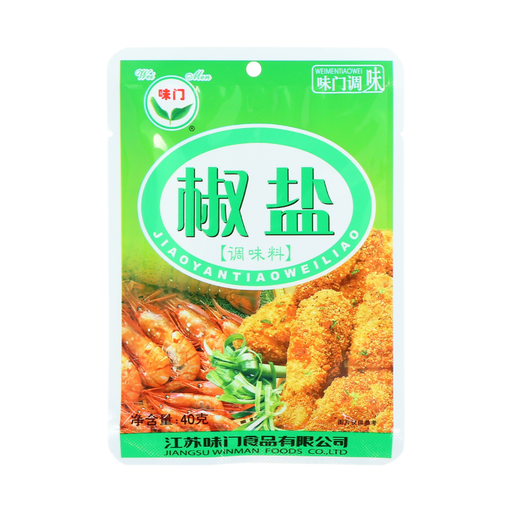
Why This Fits Their Persona: This blend is ideal for anyone seeking the pure, unadulterated Jiaoyan flavour to authentically recreate dishes like “Salt & Pepper” tofu or shrimp. It focuses on the essential components.
The ingredients list, featuring salt and Sichuan peppercorn, is clear and direct. It avoids the trap of being a salt-heavy mix with the wrong kind of pepper, delivering the expected numbing aroma.
Offers the classic, tingling “málà” profile. Ready to use and ideal as a dip or for sprinkling over fried foods.
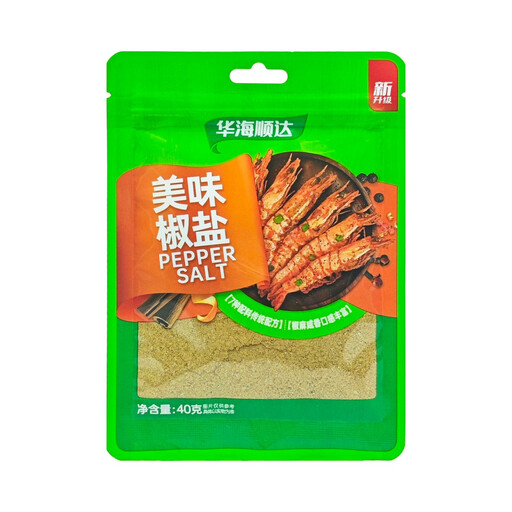
Why This Fits Their Persona: Perfect for cooks who appreciate a ready-made, multi-layered spice blend. The addition of fennel and dried mandarin peel provides a warm, complex aroma that goes beyond simple salt and pepper.
This blend is clearly positioned as a complex seasoning. According to the manufacturer, it contains Sichuan peppercorn, but it avoids being reduced to just salt by offering a balanced composition of various spices.
A versatile all-in-one solution for marinades, braises, and as a finishing spice. Saves you the effort of buying and blending individual spice components.
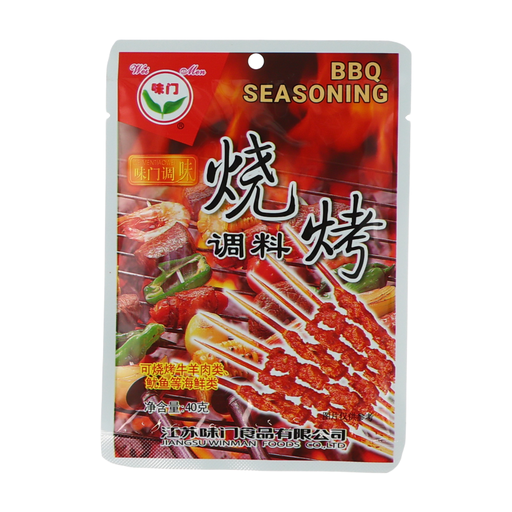
Why This Fits Their Persona: A great choice for anyone looking for an Asian-inspired flavour specifically for the grill. This blend is designed as a versatile Asian BBQ seasoning and is excellent for meat, fish, and vegetables.
The product is clearly labelled as a barbecue seasoning and doesn't create the false impression of being a classic Jiaoyan. It is optimised for a specific use case and delivers reliable results.
Contains a balanced mix of cumin, chilli, and other spices that harmonise well with smoke flavours. Can be used as a dry marinade (rub) or for seasoning after cooking.
We have compiled a complete, up-to-date list of products that fully meet these strict selection criteria and local regulations.
Jiaoyan is extremely versatile. Its most common use is as a dry dip for fried foods like chicken wings, shrimp, squid, or tofu. The food is dipped into the seasoning mix after frying. It can also be sprinkled directly over finished dishes or used as a dry rub for grilled meats. For fried dishes, it's best to add it after cooking to preserve crispiness.
The key difference lies in the pepper component. Sichuan salt and pepper uses Sichuan peppercorns, which produce a unique, citrus-like aroma and a slightly numbing, tingling sensation on the tongue. Conventional salt and pepper from the supermarket is based on black pepper, which delivers pure heat from the compound piperine, without the characteristic tingle.
To protect the volatile essential oils of the Sichuan peppercorns, the blend should be stored in an airtight container in a cool, dry, and dark place. Direct sunlight, heat, and moisture will cause the aroma to fade quickly. Always seal the packaging tightly after opening.