
Lieferung heute & morgen

Qualitätsgarantie

Willkommens-Angebote freischalten: KOSTENLOSE Lieferung | Bis zu 80 % RABATT | Kostenlose 30-Tage-JoyPlus-Testphase
App herunterladen
Roasted and salted peanuts are a staple for social gatherings and relaxed evenings. But when you're shopping, there are pitfalls that can spoil the enjoyment. It's not uncommon for appealing packaging to hide products with unwanted additives or excessive salt content. This guide will help you separate the wheat from the chaff and make an informed decision the next time you buy salted peanuts.
The selection on supermarket shelves is vast, but not every snack lives up to its promise. Two problems are particularly common:
To ensure you're getting a quality product, you should check three core parameters before buying. These will help you objectively assess quality and find the right party snacks or supplies for your pantry.
A short and clear ingredient list is usually a good sign. Ideally, a classic product consists of three main components: peanuts, vegetable oil (e.g., sunflower oil), and salt.
The roasting method has a significant impact on the final product.
For a conscious diet or fitness goals, the nutritional information is crucial. Healthy snacks are characterised by high protein content and moderate levels of fat and salt.
Based on the criteria mentioned, we have compiled a few products for different needs and user profiles.
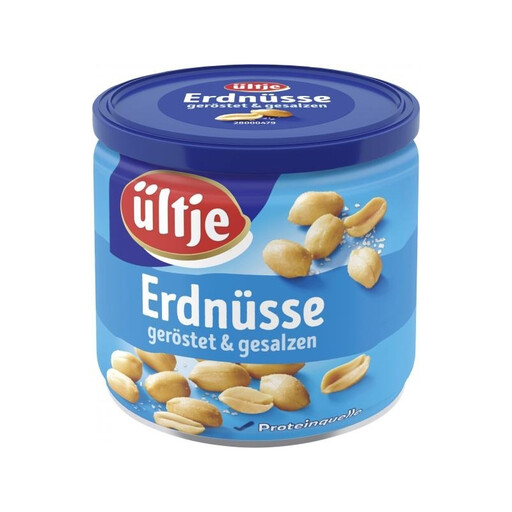
Why it's a great fit: Perfect for anyone looking for a reliable and familiar snack for a movie night or the next party. The ?ltje peanuts brand stands for consistent quality that many consumers appreciate.
The ingredient list is transparent and short, containing only peanuts, sunflower oil, and salt. The product is oven-roasted, which indicates a gentle manufacturing process without deep-frying.
The resealable can ensures that the peanuts stay crunchy even after opening. The salt content is moderate at 1.0 g per 100 g.
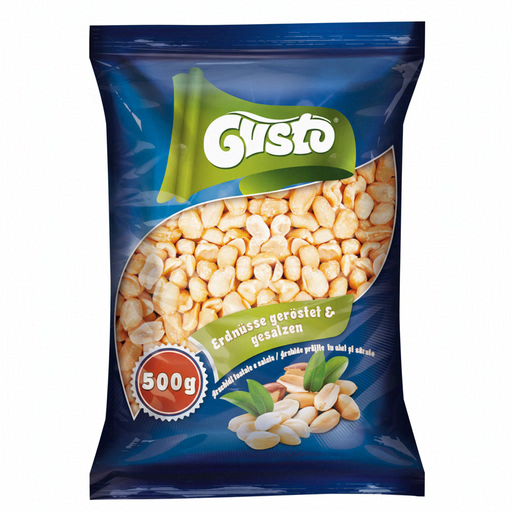
Why it's a great fit: For families, flatmates, or anyone who regularly snacks on nuts and values a good price-to-quantity ratio. The bulk pack of peanuts is ideal for stocking up.
This product avoids the pitfall of hidden additives with an extremely simple recipe: according to the manufacturer, it consists of 95% peanuts, sunflower oil, and 1% salt.
The 500g pack offers a large quantity at an attractive price per 100g. The high peanut content of 95% ensures an authentic and intense nutty flavour.

Why it's a great fit: For athletes and health-conscious individuals looking for a high-protein snack for after a workout or on the go. This protein peanut bar combines functionality with the popular taste of honey salt peanuts and caramel.
The bar is explicitly declared as low in sugar, thus avoiding the hidden sugar trap common in many snack bars. Sweeteners are used instead.
According to the manufacturer, each bar provides 16 grams of protein and is made without palm oil. This makes it a targeted choice for supporting muscle growth and recovery.
If you'd like to discover more products that meet our selection criteria, you can browse our entire range. There you'll have the opportunity to compare different brands and package sizes and conveniently order nuts online.
1. How should you store roasted peanuts to keep them crunchy? Proper storage is crucial for shelf life and freshness. Always keep opened packages in an airtight container in a cool, dry place. Avoid direct sunlight and heat, as the oils in the nuts can otherwise go rancid. Resealable cans or bags are particularly practical for this.
2. Are salted peanuts a healthy snack? Enjoyed in moderation, roasted peanuts can be part of a balanced diet. They are a good source of plant-based protein, fibre, and unsaturated fatty acids. The product choice is key: prefer varieties with a short ingredient list and a moderate salt content. Also, pay attention to the portion size, as peanuts have a high energy density.
3. What is the difference between oven-roasted and oil-roasted? In oven-roasting, the peanuts are cooked by hot, circulating air. This process requires little to no additional fat. In contrast, "oil-roasted" peanuts are deep-fried in hot oil, which can increase the product's total fat content. Both methods result in a crispy finish, but oven-roasted varieties are often preferred by consumers who are mindful of fat content.