
当日/次日达

品质保障

开启新人专享福利: 全场免邮 | 低至 2 折 | 免费试用 30 天 JoyPlus 会员
下载 Joybuy
Salted potato crisps are a staple in many German pantries. Whether for a cosy night in, a party snack, or just a quick bite – reaching for a bag of crisps is often a quick and easy choice. But not all salted crisps are created equal. The selection on supermarket shelves can be overwhelming, and some products don't live up to their packaging's promises. Before you toss the nearest bag into your shopping cart, there are a few pitfalls to consider that often lead to a disappointing snacking experience.
A common problem is the ingredient list. Many crisps marketed as "classic" or "original" contain more than just potatoes, oil, and salt. Hidden flavour enhancers like yeast extract or artificial flavourings can mask the pure potato taste. Another point is the production method. There is a significant difference between traditionally fried potato slices and stackable crisps, which are formed from dehydrated potato flakes. This information is not always immediately apparent and has a major impact on both texture and flavour.
To ensure you buy the right crisps that meet your expectations, you should check two or three core features. These objective parameters will help you distinguish marketing promises from actual product quality.
A look at the ingredient list is essential. Ideal classic potato crisps consist of three basic ingredients: potatoes, vegetable oil, and salt. A short and understandable list is often an indicator of an unadulterated product.
Texture is a crucial factor in the enjoyment of potato crisps. This is largely determined by the production method and the cut of the potato.
To make your decision easier, we have put together a few products based on different user profiles and requirements.
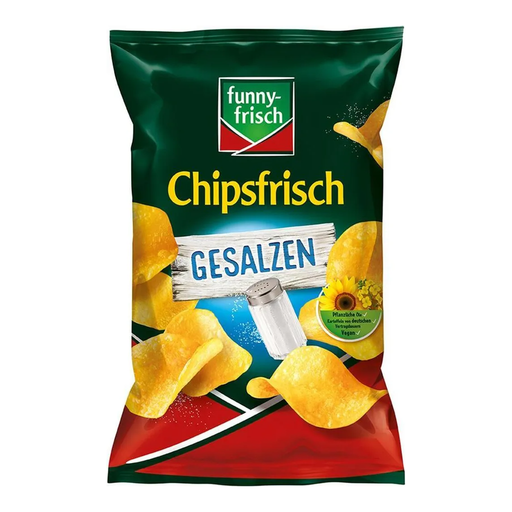
Why This Fits Their Persona: Ideal for those who seek the pure, unadulterated taste of traditionally made potato crisps. A German classic for straightforward enjoyment.
This product avoids flavour enhancers and artificial flavourings. The ingredient list is transparent and short, containing only potatoes, vegetable oils, and salt.
Thinly sliced, crispy crisps made from real potatoes. Made in Germany.
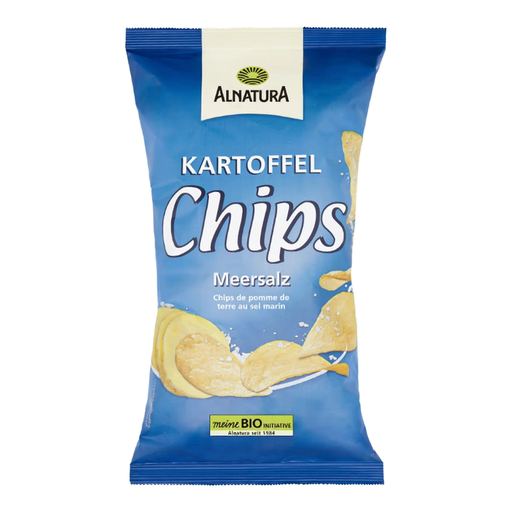
Why This Fits Their Persona: Perfect for consumers who value organic farming and a minimalist recipe. A great choice for vegans and anyone looking to avoid additives.
The ingredient list consists exclusively of organic potatoes, organic sunflower oil, and sea salt. It's guaranteed to be free from artificial flavourings or yeast extract.
Certified organic (NL-BIO-01) and vegan. The pure taste of the ingredients takes centre stage.
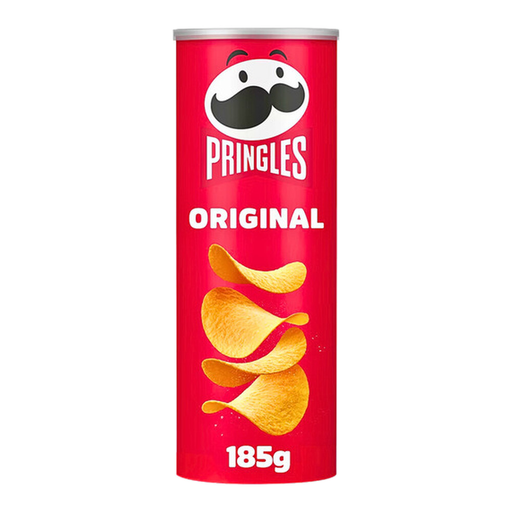
Why This Fits Their Persona: A practical solution for social gatherings. Their uniform shape and sturdy, resealable can make them a clean and easy-to-share snack.
Here, the "pitfall" of the production method becomes an advantage: the shape, made from dehydrated potato flakes, ensures less breakage and easy stacking, which is beneficial for parties.
The resealable can keeps the crisps fresh and protects them from crumbling. The uniform shape is ideal for dipping.
We have compiled a complete, up-to-date list of products that fully meet these strict selection criteria and German regulations.
Potato crisps are typically made from whole, sliced potatoes that are then fried. This results in an irregular shape and a texture that is often perceived as more authentic. Stackable crisps (like Pringles) are made from a dough of dehydrated potato products (e.g., puree powder), flour, and water, which is then shaped, cut, and baked or briefly fried. They have a uniform shape and size.
The main enemies of crunchy crisps are air and moisture. Seal the opened bag as airtight as possible, for example, with a sealing clip. Store the bag in a cool, dry place. Products in a resealable can have an advantage here, as the lid provides better protection against humidity.
The term "healthier" is subjective. Organic crisps are made from potatoes and oils grown without the use of synthetic pesticides and fertilisers. The ingredient list is often shorter and free from artificial additives. However, in terms of calories, fat, and salt content, they do not necessarily differ from conventional crisps. The nutritional information on the packaging provides precise details on this.