
Lieferung heute & morgen

Qualitätsgarantie

Willkommens-Angebote freischalten: KOSTENLOSE Lieferung | Bis zu 80 % RABATT | Kostenlose 30-Tage-JoyPlus-Testphase
App herunterladen
Purchasing a new refrigerator is a major decision for any household. A Samsung side-by-side refrigerator with a water dispenser, in particular, represents spaciousness, modern technology, and convenience. But the market is saturated with models whose features and marketing terms often create more confusion than clarity. Before you invest, it's crucial to understand the common pitfalls to make a choice that suits your needs in the long run.
This guide will help you understand the essential features and avoid common mistakes during the selection process.
When searching for a large refrigerator, often called an American-style refrigerator, buyers repeatedly encounter the same issues. These often lead to post-purchase dissatisfaction.
To make an informed decision, focus on the following three core aspects. These determine the day-to-day usability and long-term costs of your appliance.
For a large family refrigerator, a net capacity of over 500 litres is a good benchmark. When reviewing product data, pay close attention to the net capacity for both the fridge and freezer sections. Compare the interior layout: are the shelves flexibly adjustable? Are there specialised zones for fruit, vegetables, or meat? The external dimensions (height, width, depth) must fit your kitchen alcove precisely. Remember to account for door opening angles and the necessary clearance from the wall for adequate ventilation.
Electricity costs make up a significant portion of the running costs. The EU energy efficiency classes range from A (very efficient) to G (less efficient). An appliance with a high energy rating can save you significant money over its lifespan. Modern technologies like a refrigerator with AI Energy Mode can further optimise energy consumption by analysing usage patterns and adjusting the compressor's performance accordingly.
Another key technology is No Frost Plus refrigeration. This prevents ice build-up in the freezer compartment, eliminating the need for manual defrosting. At the same time, it maintains optimal humidity in the fridge section, so food stays fresh longer and doesn't dry out.
A water dispenser provides chilled water at the touch of a button. There are two basic systems:
Consider which option is better suited to your kitchen's infrastructure and your convenience needs.
Instead of a one-size-fits-all recommendation, we have identified models that cater to different user profiles and needs.
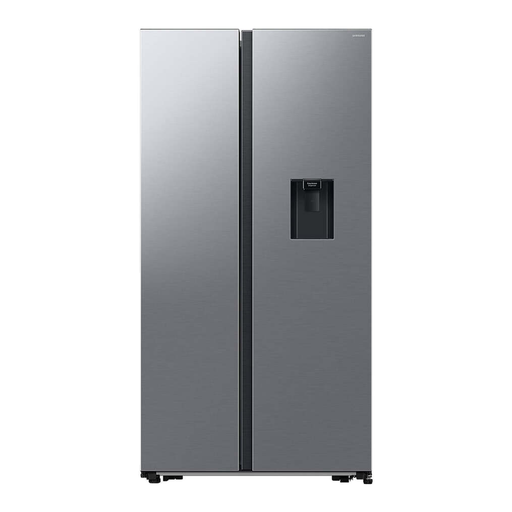
Why It's a Match: Ideal for families who value smart yet practical features. The large 578-litre capacity offers ample space for a week's worth of groceries. The SmartThings app allows for energy consumption monitoring and remote control.
The smart features focus on real benefits, like the AI Energy Mode for reducing electricity costs. The water dispenser with an internal tank requires no complex installation.
SpaceMax Technology: More interior space with the same external dimensions. No Frost+ prevents ice build-up and keeps food fresh for longer.
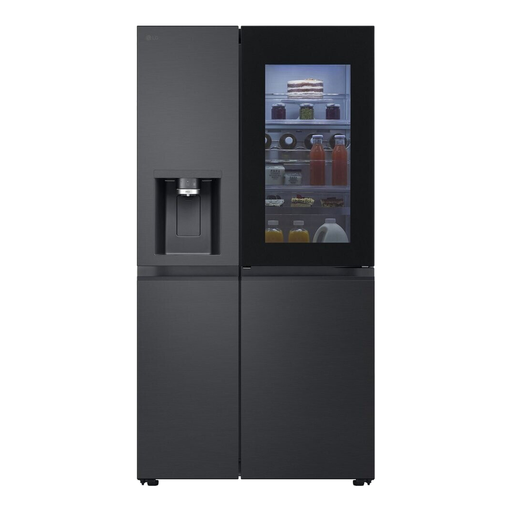
Why It's a Match: For households that want to make a statement in the kitchen. The elegant black design, InstaView door, and Craft Ice Maker for spherical ice balls offer a combination of aesthetics and advanced technology.
The InstaView feature is a smart solution to reduce energy loss, as the door needs to be opened less often. The smart features via the ThinQ app focus on useful diagnostics and control.
Extra-large capacity (628 L): Offers an enormous amount of space. UVnano Technology: Automatically reduces bacteria at the water outlet, according to LG. DoorCooling+ ensures fast and even cooling.
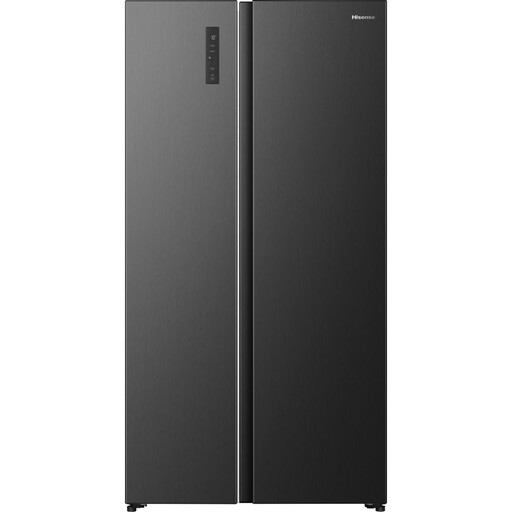
Why It's a Match: For anyone seeking maximum storage and reliable cooling performance without complex extra features. With a 544-litre capacity and a focus on core functions, it's a practical workhorse for large households.
This model intentionally omits Wi-Fi connectivity and complex smart features. The focus is on the fundamentals: plenty of space and reliable cooling with Total No Frost technology.
Multi Air Flow System: Ensures even temperature distribution throughout the interior. Inverter Compressor: Operates efficiently and quietly (39 dB).
We have compiled a complete, up-to-date list of products that are fully compliant with these strict selection criteria and safety standards.
1. Does a Samsung side-by-side refrigerator with a water dispenser always need a plumbed-in connection? No, not necessarily. There are two types: models with an integrated, refillable water tank and models that require a permanent connection to the water line. For example, the Samsung RS57DG410EM9 model featured here has an internal water tank, which significantly simplifies installation and allows for flexibility in placement. Always check for this feature in the product specifications.
2. What are the annual running costs for a large American-style refrigerator? The costs depend on the appliance's energy efficiency class and your individual electricity tariff. You can find the annual energy consumption in kilowatt-hours (kWh) on the EU energy label. Multiply this value by your price per kWh (e.g., ?0.25 or $0.17) to get an estimate of the annual cost. Models with features like AI Energy Mode can help to actively reduce consumption and control costs.
3. What does "No Frost Plus" mean in detail? Standard "No Frost" technology prevents ice from forming in the freezer section, so manual defrosting is no longer necessary. "No Frost Plus" often goes a step further: it's a system that not only prevents ice build-up but also actively regulates the humidity level in the fridge compartment. This stops fresh foods like fruit and vegetables from drying out and helps to preserve their freshness and nutrients for longer.