
Lieferung heute & morgen

Qualitätsgarantie

Willkommens-Angebote freischalten: KOSTENLOSE Lieferung | Bis zu 80 % RABATT | Kostenlose 30-Tage-JoyPlus-Testphase
App herunterladen
Samyang Buldak Ramen is one of the best-known Korean instant noodle ranges in Germany. It includes classic Hot Chicken Ramen, Carbonara, Cheese, Rosé, Quattro Cheese and Habanero Lime varieties. They differ not only in flavour, but also in heat level, portion size, allergen information, preparation method and pack size.
If you’re looking to buy Korean noodles online, don’t let eye-catching packaging or claims about heat be your only guide. Three common buying mistakes are especially likely to lead to the wrong choice.
Varieties such as Buldak Carbonara, Creamy Carbonara and Cheese combine chilli heat with milky and cheesy flavours. The creamy notes can round out the heat, but they don’t remove it. Buldak Cheese and Rosé Ramen are still made with a spicy chilli sauce.
If you only eat spicy food occasionally, start with a single portion or a smaller pack. If you’re already a fan of spicy Korean noodles, Original, Cheese or Double Spicy varieties could be worth considering.
A Samyang Ramen 5-pack usually contains 5 individual portions, depending on the variety — for example, 5 × 130 g, 5 × 140 g or 5 × 145 g. A bulk pack of Buldak Ramen, on the other hand, can contain 40 portions and weigh several kilograms net.
Before you buy, check:
A bulk pack makes sense if several people regularly eat instant ramen, or if you’re stocking up for your home, office or shared accommodation.
Many Samyang Buldak products contain wheat or gluten and soya. Creamy varieties often also contain milk or milk products. Depending on the flavour, celery, sesame or other traces information may also be relevant.
The online product description is there to help you choose. The physical packaging for the specific batch is always the definitive source of allergen information. If you have any allergies or intolerances, check the ingredients list carefully before eating.
With Buldak Hot Chicken Ramen, the sauce is mixed with the noodles after cooking. This coats the noodles directly in seasoning. If you’d like to adjust the heat to suit your taste, start by using only some of the sauce sachet. Adding egg, vegetables or extra dairy products will also change the flavour and texture, but it doesn’t replace checking the ingredients.
Names such as “Original”, “Double Spicy”, “Carbonara”, “Cheese” or “Habanero Lime” describe different flavour profiles. They aren’t a standard measure of heat. The specific recipe and information on the packaging should therefore guide your choice.
Classic packs contain loose noodles and seasoning sachets. They’re usually prepared in a pan: cook the noodles, drain the water, then mix in the sauce and powder. Depending on the product, you may need to leave a few tablespoons of cooking water in the pan.
A bowl variety is more convenient for the office, travelling or a small kitchen. With Samyang Hot Chicken Ramen Bowl Cream Carbonara, you add hot water and the seasonings directly to the bowl. It means less washing up, but the cost per portion may be higher, depending on where you shop.
Instant ramen makes a quick meal, but it isn’t automatically a balanced main course. Nutritional values vary by recipe. For example, the product information for the Original 5-pack lists around 400 kcal, 12.9 g fat, 61.4 g carbohydrates and 3.0 g salt per 100 g. Other varieties have different values.
If you eat Korean instant noodles regularly, compare the nutrition tables and consider adding vegetables, egg or another source of protein to your meal. Always refer to the information on the specific packaging.
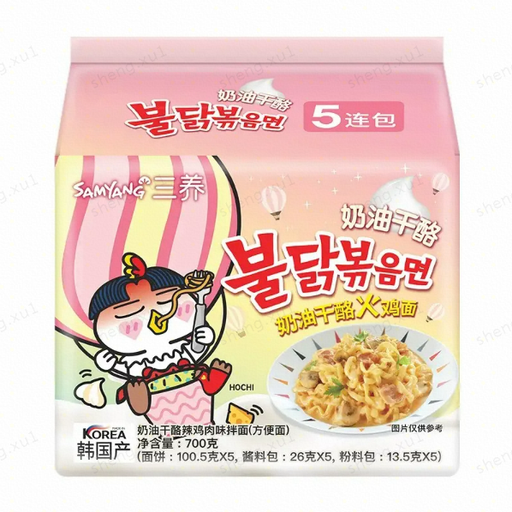
Why it’s a good fit: This 5-pack gives you five individually portioned meals, combining a creamy Carbonara flavour with the distinctive Buldak seasoning.
The pack clearly states 5 × 140 g, making it easier to compare with individual portions.
Five portions and a creamy flavour profile. According to the product information, relevant allergens include milk, soya, celery, sesame and gluten.
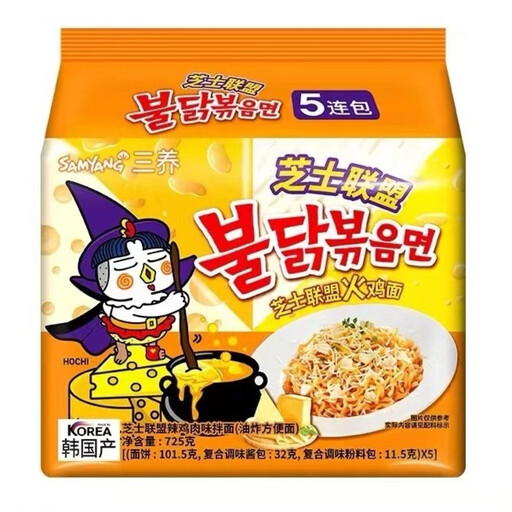
Why it’s a good fit: The recipe combines Buldak chilli sauce with four named cheeses: Cheddar, Gouda, Mozzarella and Camembert.
The flavour description is backed up by specific ingredients, rather than relying on a general claim about cheese flavour.
5 × 145 g, cheese powder and liquid sauce; product information lists 407 kcal and 3.4 g of salt per 100 g.
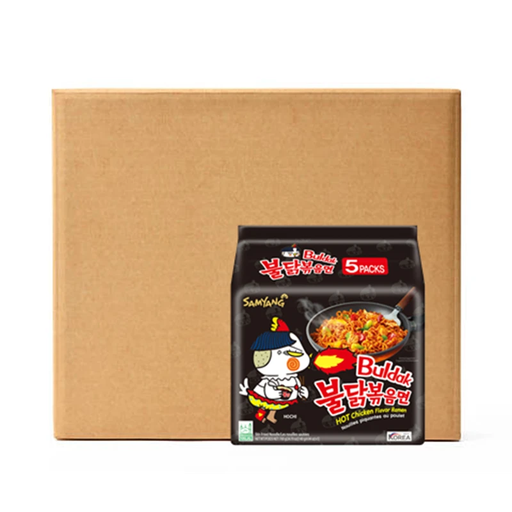
Why it’s a good fit: This bulk pack of 40 individual portions is ideal for shared accommodation, offices, events or regular stocking up.
The total quantity is clearly stated as 40 × 140 g and 5.6 kg, making it easier to work out how much storage space you’ll need before buying.
Individual portions, prepared in a pan; product information lists South Korea as the country of origin. Contains wheat, soya and sesame.
We’ve put together a complete, regularly updated list of products that meet these strict selection criteria and fully comply with the safety regulations in force in the EU.
You’ll find the exact instructions on the packaging. Noodles are often boiled for around four to five minutes. Drain off most of the water, then mix the sauce into the noodles. Bowl products have their own instructions for the amount of water and standing time.
Store unopened packs in a cool, dry place, away from direct sunlight. Once opened, prepare and eat a portion straight away. If you buy a bulk pack, it’s best to leave the individual portions sealed until you need them.
How spicy it tastes depends on the variety, how much sauce you use and how used to heat you are. Original and Double Spicy varieties are considered very hot. Carbonara, Rosé and Cheese varieties include extra creamy flavours, but are still spicy. You can start by using only some of the sauce.
The best-before date is printed on the packaging. Store unopened products in a dry, cool place away from light, following the storage instructions. Don’t use the product if the packaging is damaged or if its smell or appearance has noticeably changed.
Single packs or a 5-pack are manageable options if you only eat them occasionally. A bulk pack of Buldak Ramen with 40 portions is better suited to households, shared accommodation, offices or regular buyers. The key things to consider are the price per portion, the storage space you have and the best-before date.