What should you look for when buying?
First check that your bread and fillings will fit the plates, then compare how easy each model is to clean and how many servings you need to make. If you’re eating at different times, chilling and reheating thoroughly are separate tasks: the BfR recommends heating food to at least 70 °C throughout for two minutes.
| Buying priority |
What to check before buying |
Who is this important for? |
| Safe preparation for different mealtimes |
Store prepared ingredients safely, and don’t rely on how brown the bread is or on an indicator light when reheating. |
When I prepare bacon sandwiches for different mealtimes, I don’t want to simply leave the ingredients in a switched-off appliance to keep them warm. This matters to around 36% of consumers whose main concern is safe preparation across several mealtimes. |
| Cleaning after making several servings |
Check whether the plates are removable and dishwasher-safe for the exact model. |
When I make several sandwiches one after another, I want to remove grease and filling without a fiddly clean-up. This matters to around 29% of consumers who prioritise easy cleaning. |
| Room for bread and fillings |
Check your bread size against the model specifications, and look at the differences between triangular plates, adjustable heights and grill plates. |
When I make generously filled toasties, the shape needs to suit my bread and the amount of bacon I use. This matters to around 21% of consumers who mainly focus on whether the bread and fillings will fit. |
| Servings and extra plates |
Check how many sandwiches the appliance makes at a time and which plate sets are actually included. |
When I make individual servings, I don’t want to pay for capacity or interchangeable plates I won’t use. This matters to around 14% of consumers whose main concern is serving size or versatility. |
Joybuy sandwich makers
This selection includes sandwich makers for classic and generously filled sandwiches, as well as a contact grill model.
 No image available
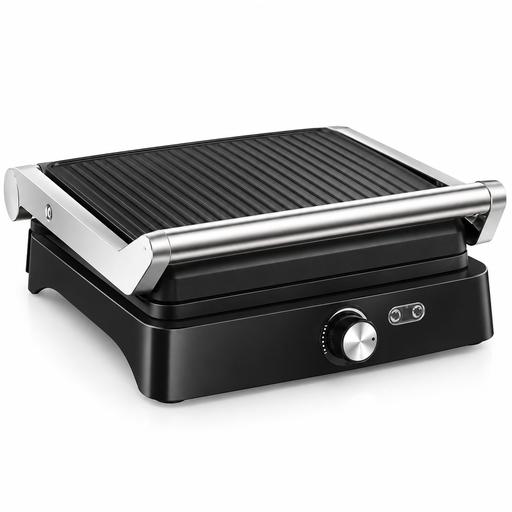
YASHE ABC183 sandwich maker
Makes two sandwiches per cycle.
1500 W; non-stick plates; removable crumb tray; hinge adjusts to the thickness of your ingredients.
View at Joybuy
 No image available
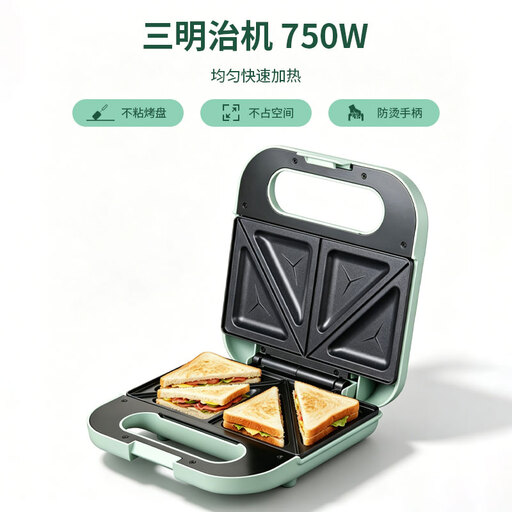
WOOX MX0281 sandwich maker
For sandwiches with a stated capacity of two slices.
750 W; adjustable thermostat; non-stick aluminium plates.
View at Joybuy
 No image available
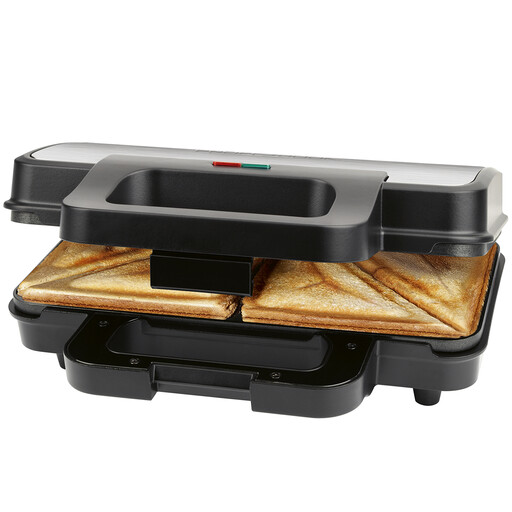
ProfiCook PC ST 1315 sandwich maker
For larger slices of toast and sandwiches with thicker fillings.
900 W; extra-large sandwich plates; according to the description, suitable for slices of toast measuring around 9 to 15 cm; two-stage locking mechanism.
View at Joybuy
 No image available
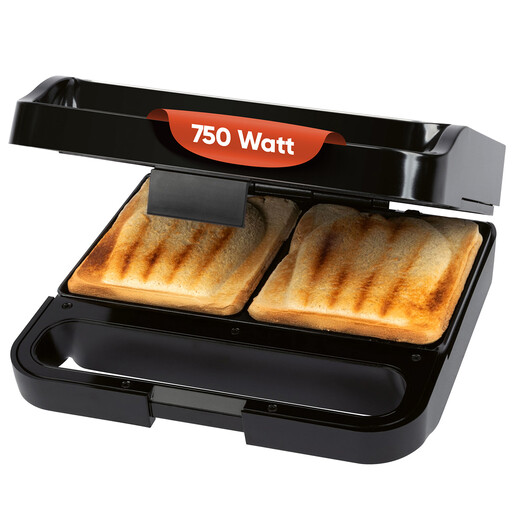
ProfiCook PC ST 1297 sandwich maker
For filled sandwiches made in shell-shaped plates.
750 W; non-stick coating; heat-insulated handle and overheat protection, according to the description.
View at Joybuy
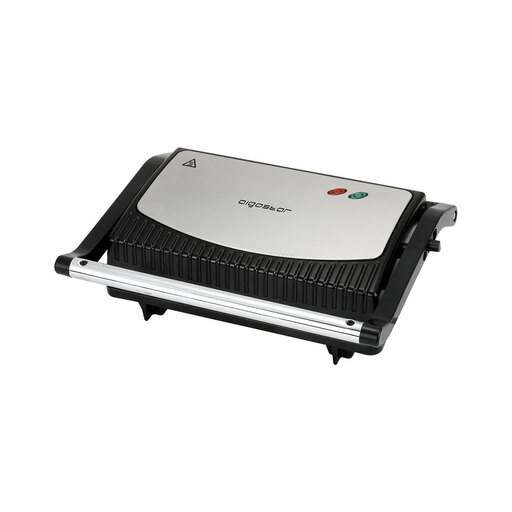 No image available
Aigostar York contact grill and panini maker
For making sandwiches and cooking with the plates opened flat.
800 W; non-stick aluminium plates; plate size 230 × 143 mm; opens to 180°, according to the description.
View at Joybuy
Frequently asked questions
Can I leave cooked bacon in the sandwich maker until my next mealtime?
No. A switched-off sandwich maker isn’t a safe way to store food. The BfR recommends keeping perishable foods chilled and heating food to at least 70 °C throughout for two minutes when reheating. An indicator light doesn’t confirm that the filling has reached this temperature.
How do I clean the toaster after making bacon sandwiches?
Check the instructions for the exact model. According to the manufacturers, the plates on the Tefal SW852D12 and Braun SM5005 are removable and dishwasher-safe; those on the Krups FDK461 and WMF Lono stay in the appliance.
Are extra waffle or grill plates always included?
No, what’s included depends on the specific model variant. Tefal lists sandwich and waffle plates for the SW852D12, and Braun lists the same plates for the SM5005. Before buying, check which plate sets come with the variant you’re considering and whether any additional accessories are compatible.
What do the CE marking and warranty mean when buying?
According to the European Commission, the CE marking is the manufacturer’s declaration that the product meets the relevant EU product rules; it isn’t an independent quality mark. The German consumer advice centre distinguishes statutory consumer rights from a voluntary guarantee.
Where should I take an old sandwich maker?
In Germany, electrical appliances must not be put in household rubbish. The Federal Environment Agency lists recycling centres and suitable retailer take-back points as places to dispose of them.


