
Lieferung heute & morgen

Qualitätsgarantie

Willkommens-Angebote freischalten: KOSTENLOSE Lieferung | Bis zu 80 % RABATT | Kostenlose 30-Tage-JoyPlus-Testphase
App herunterladen
A sandwich maker promises quick, hot meals—from the classic grilled cheese to a gourmet panini. However, the market is flooded with devices whose weaknesses often only become apparent after a few weeks. A low-quality coating that peels off or fixed plates that make cleaning impossible are common frustrations. This guide will show you the crucial features to look for to find a durable and functional appliance that truly meets your needs.
Many devices entice with a low price but hide design flaws that severely limit their usefulness. Pay close attention to these three points to avoid a bad buy.
To find the right appliance, don't be swayed by marketing promises; instead, focus on objective technical parameters. The following three features are crucial for functionality and durability.
The type of plates largely determines the versatility and cleaning convenience.
The power, specified in watts, and the size of the heating plates are directly responsible for the cooking result.
A robust housing and a durable coating are crucial for safety and service life.
Here are some models that are suitable for different user profiles based on their objective features.
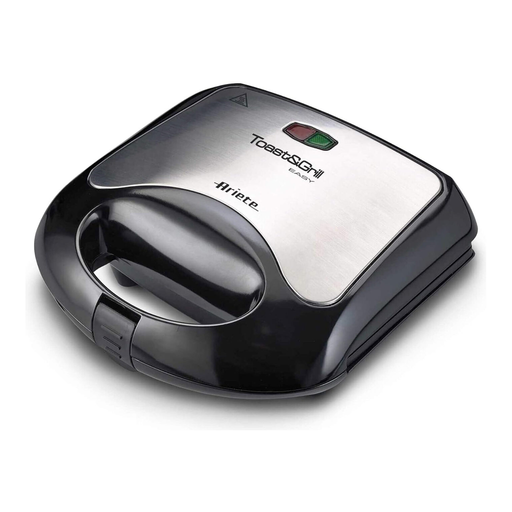
Why This Fits Their Persona: This device is a straightforward and space-saving solution for those who primarily want to make classic sandwiches or paninis. It focuses on the basic functions and is ideal for small kitchens or occasional use.
With 750 watts, the device offers sufficient power for even browning, avoiding the trap of underpowered models. Although the plates are fixed, the non-stick coating facilitates quick cleaning with a cloth.
Compact design with cord wrap and the option for vertical storage. The ribbed plates are well-suited for paninis and create an appealing grill pattern.
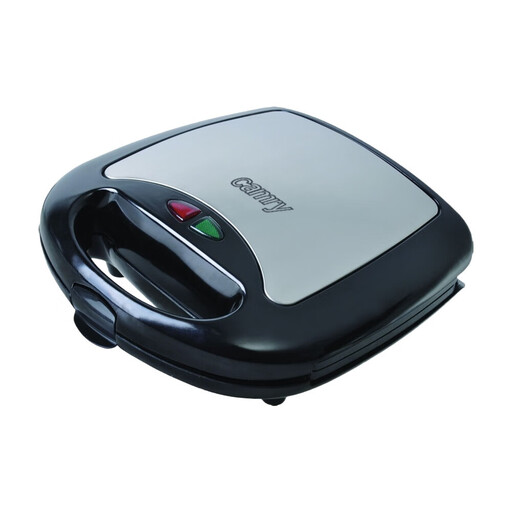
Why This Fits Their Persona: This 3-in-1 appliance is ideal for families or individuals who appreciate variety. It combines a sandwich maker, a contact grill, and a waffle iron in one, saving space and the cost of multiple separate devices.
The three interchangeable plate sets elegantly solve the problem of cleaning and versatility. The plates are non-stick and can be easily removed for thorough cleaning.
Maximum flexibility with three functions: sandwiches, grilling, and waffles. With 1000 watts of power, the device is also powerful enough for all three applications.
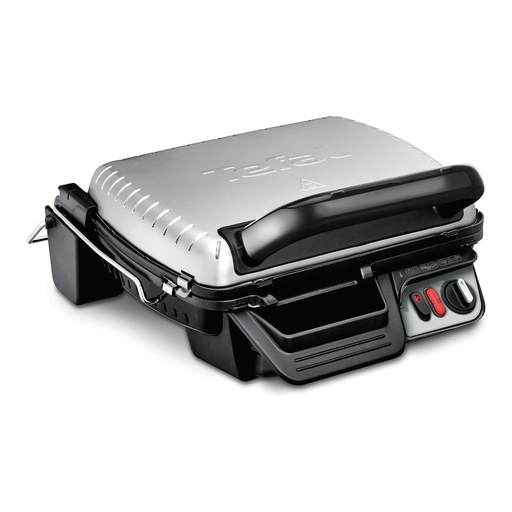
Why This Fits Their Persona: For anyone who wants to do more than just toast a sandwich. This model is a powerful contact grill that is also suitable for grilling steaks, vegetables, or burgers and can be converted into a full-fledged tabletop grill when needed.
With 2000 watts of power and an adjustable thermostat, it avoids the trap of uneven heat distribution. The removable, dishwasher-safe plates and the grease drip tray solve the cleaning problem perfectly.
High power for searing and quick preparation. The 3-in-1 function (contact grill, tabletop grill, oven position) offers maximum flexibility for various dishes and occasions.
We have compiled a complete, up-to-date list of products that fully meet these strict selection criteria and German safety regulations.
1. How do you properly clean a sandwich maker with fixed plates? Cleaning should be done immediately after use, as soon as the appliance has cooled down enough but is still slightly warm. Wipe the plates with a damp cloth or paper towel. For stubborn, burnt-on residue, a cloth soaked in cooking oil can help soften it. Never use abrasive sponges or metal objects, as these will damage the non-stick coating.
2. How many watts should a good sandwich toaster have? For classic sandwich toasters, a power rating of 750 to 900 watts is a good benchmark. This ensures a quick heat-up time and even browning. Multifunctional contact grills, which are also intended for grilling meat, benefit from higher power, from 1,600 to over 2,000 watts, to achieve the high temperatures needed for grill marks and roasted flavours.
3. Can you make regular sandwiches in a contact grill? Yes, a contact grill is very well-suited for preparing sandwiches, especially paninis. The ribbed plates give the sandwiches their typical grill marks. Many contact grills have a flexible hinge that adjusts to the thickness of the sandwich, ensuring even pressure without squeezing out the contents.