
Lieferung heute & morgen

Qualitätsgarantie

Willkommens-Angebote freischalten: KOSTENLOSE Lieferung | Bis zu 80 % RABATT | Kostenlose 30-Tage-JoyPlus-Testphase
App herunterladen
Warm, melted cheese oozing from a golden-brown toasted sandwich—a simple pleasure that kicks off the evening or saves a quick lunch. A sandwich maker promises just that: effortless, fast, and delicious meals. But the market is flooded with appliances whose weaknesses often only become apparent after a few weeks. Before you make a decision, it's crucial to know the common pitfalls that can quickly turn a handy kitchen gadget into a source of frustration.
As your Joybuy Product Recommendation Officer, I'm here to help you separate the wheat from the chaff. We'll look at which features truly matter and how to find an appliance that fits your daily life.
Many appliances look solid at first glance but reveal their shortcomings only in daily use. Pay special attention to these three weak points to avoid a bad purchase:
To avoid these problems, you should check three core aspects before buying. These determine the appliance's durability, functionality, and ease of cleaning.
The plates are the most important component. Their quality determines the cooking results and the lifespan of the appliance.
The power, specified in watts (W), directly affects the heating-up time and the appliance's ability to maintain a constant temperature.
Not everyone needs the same appliance. Whether for a quick meal, a family dinner, or creative kitchen experiments—here are some models tailored to different needs.
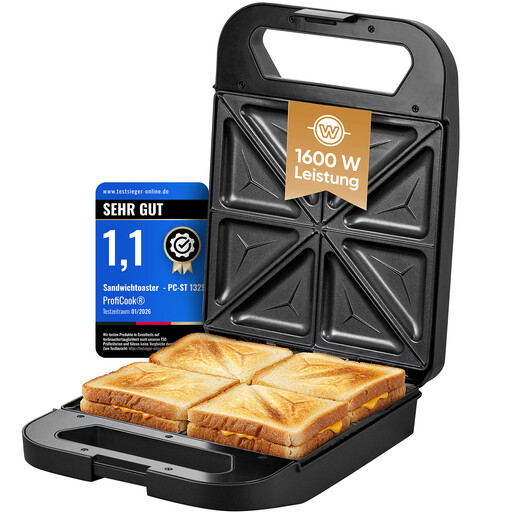
Why This Fits Their Persona: When several hungry mouths need to be fed at once, every minute counts. This model prepares four sandwiches simultaneously, saving valuable time in a hectic family routine.
The high power output of 1600 watts ensures fast and even heat distribution, even when fully loaded. This effectively minimises the problem of cold spots in the middle.
High capacity for 4 sandwiches at once; powerful for quick preparation.
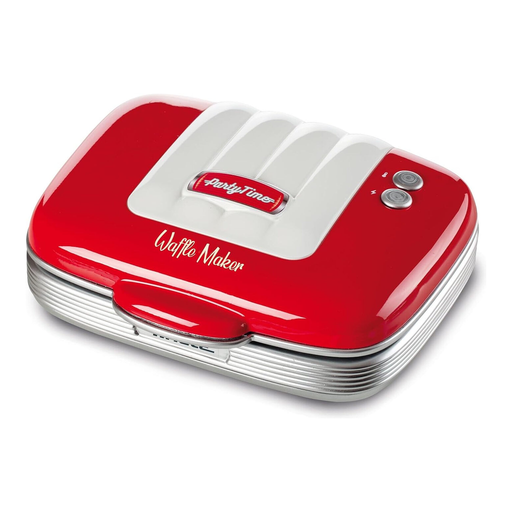
Why This Fits Their Persona: For anyone who wants more than just a grilled cheese. This 3-in-1 appliance with plates for sandwiches, cookies, and waffles/grilling invites experimentation and turns the kitchen into a creative workshop for sweet and savoury snacks.
The removable plates bypass the problem of difficult cleaning and a wearing coating. Each plate can be cleaned thoroughly and gently, which extends its lifespan.
High versatility with 3 interchangeable plate sets; easy cleaning thanks to removable plates.
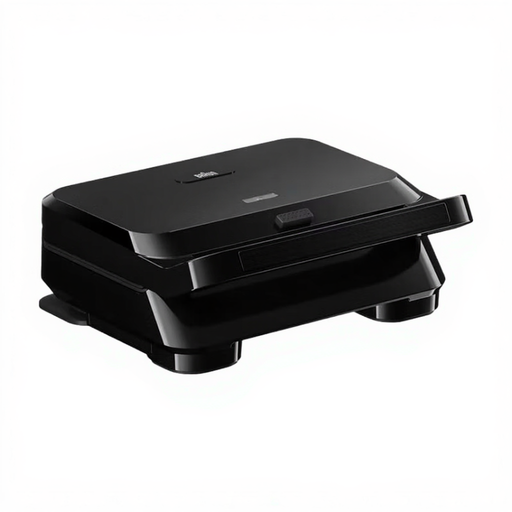
Why This Fits Their Persona: For users seeking a durable, well-designed, and low-maintenance appliance. The focus here is on a core function that is executed excellently. Ideal for those who value quality and straightforward operation.
This model directly addresses the issues of cleaning and durability. The dishwasher-safe die-cast aluminium plates are robust and easy to clean, minimising the risk of a damaged coating.
High-quality, dishwasher-safe plates made of die-cast aluminium; compact and space-saving design.
We have compiled a complete, up-to-date list of products that fully meet these strict selection criteria and German safety regulations.
Unplug the appliance and let it cool down completely. Then, wipe the plates with a damp cloth or paper towel. For stubborn residue, you can moisten the cloth with a little washing-up liquid. Afterwards, wipe with a clean, damp cloth. Be sure to avoid abrasive sponges or harsh cleaners, as they will damage the non-stick coating.
That depends on its intended use. For classic, thinly filled sandwiches, 700–800 watts is often sufficient. However, if you are looking for a versatile panini press or contact grill to also prepare thicker breads, wraps, or even meat, models with 1200 watts or more are the better choice, as they maintain heat more consistently.
Yes, depending on the model. This is difficult in a classic sandwich toaster with triangular moulds. However, a flat panini press or contact grill is also excellent for grilling vegetables, small pieces of meat, sausages, or halloumi. A 3-in-1 sandwich maker with the appropriate interchangeable plates can also be used for waffles or other snacks.