
Lieferung heute & morgen

Qualitätsgarantie

Willkommens-Angebote freischalten: KOSTENLOSE Lieferung | Bis zu 80 % RABATT | Kostenlose 30-Tage-JoyPlus-Testphase
App herunterladen
Selecting a Korean face mask is based on an analysis of its ingredients and specific formulation in relation to the desired skin outcome. The popularity of K-Beauty products often stems from their focus on high concentrations of active ingredients and targeted solutions for dermatological concerns such as pore size, hydration levels, or skin texture. This article analyses various mask types and their technical specifications to facilitate an informed product selection.
The decision for a product should be based on an objective evaluation of the mask type, ingredient profile, and material.
The efficacy of a mask is directly linked to its ingredients. Focusing on the following active ingredients can help guide your selection:
The following selection is based on an analysis of product specifications and the combination of ingredients for defined use cases.
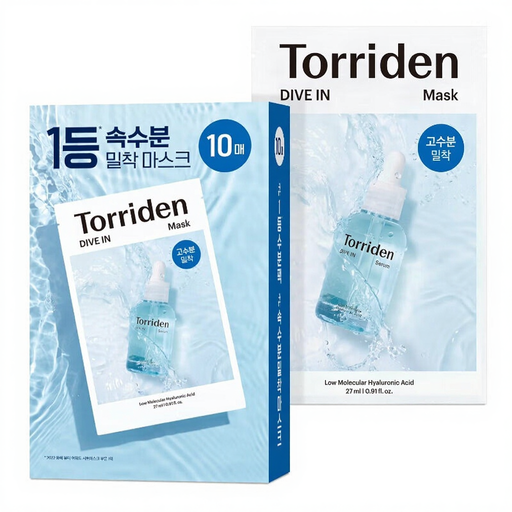
Why we recommend this product: This K-Beauty sheet mask focuses on multi-level hydration through a 5D Hyaluronic Acid Complex. This complex contains hyaluronic acid in various molecular sizes, including low-molecular-weight hyaluronic acid, to bind moisture at different levels of the epidermis. The biodegradable cellulose sheet ensures excellent adhesion and even delivery of the ampoule-like essence. Panthenol and allantoin complete the formula, supporting the skin barrier.
Pros:
Who it's for: Users with dry, dehydrated, or moisture-deficient skin. Also suitable for all skin types in need of an intensive hydration boost.
The products featured cover specific skin needs. For a broader selection of formulations tailored to different skin types and concerns, we recommend exploring the full range. You can find a comprehensive overview of more products in our Korean Skincare Mask category.
1. How often should you use a Korean face mask? The frequency of use depends on the mask type and your individual skin condition. Hydrating sheet masks can be used 1–3 times per week. Purifying masks with clay or acids should be used less frequently, about 1–2 times per week, to avoid stressing the skin barrier. Depending on their richness, sleeping masks can be used 2–3 times a week in place of a night cream, or even daily in a thinner layer as a moisturiser if needed.
2. What distinguishes a K-Beauty sheet mask from a traditional cream mask? The main difference lies in the delivery system and formulation. A K-Beauty sheet mask consists of a carrier material saturated with a lightweight, highly concentrated essence or serum. This allows for an intensive, time-limited delivery of active ingredients. A traditional cream mask has a thicker consistency, often works through a combination of hydration and occlusion, and is typically rinsed off or massaged into the skin.
3. Can I use a sleeping mask like the Sleeping Mask on oily skin? Yes, oily skin can also be dehydrated and can benefit from targeted hydration and nourishment. The Ultimate Nourishing Rice Spa Overnight Mask can be applied in a thin layer as the final step of your evening routine. Its formulation with niacinamide can also help regulate sebum production. It is recommended to start with an application of 1–2 times per week to observe your skin's reaction.