What to look for when buying
For a sausage casserole in a holiday home, your everyday kitchen needs often determine what you need to prioritise before you buy.
Use an existing oven
A good fit if: The existing oven works and your whole dish fits inside.
The trade-off: You won’t need to buy an additional appliance for this dish; only consider a new built-in oven if there’s a suitable oven housing.
Choose a freestanding mini oven
A good fit if: There’s no suitable oven and you want to bake the casserole in a dish.
The trade-off: Cooking space and the area available for the appliance are limited. Heating options and dish dimensions vary by model, as the specifications from SEVERIN, ROMMELSBACHER and Steba show.
Use an air fryer with a suitable dish
A good fit if: The portion is small enough and an ovenproof dish fits the specific appliance, with enough room for air to circulate.
The trade-off: For the air fryers described, Philips advises placing the dish in the basket and leaving space around the sides. This guidance doesn’t automatically apply to other models.
Choose a combination microwave with convection
A good fit if: You regularly want to reheat food as well as cook casseroles, and the model has a suitable convection function.
The trade-off: The turntable or cooking-space floor, usable internal dimensions and suitable cookware all need to work with your dish and the selected cooking mode.
The percentages show the main priorities when buying an oven for this sausage casserole; each row represents one top priority.
| Priority |
What to look for when buying |
Who it matters most to |
| A casserole dish that fits |
Measure the outside of the dish, including the handles, and compare it with the usable internal dimensions, shelf position and door opening. SEVERIN or ROMMELSBACHER’s specifications for round dishes don’t automatically confirm that a rectangular dish will fit. |
If I want to cook the casserole in a dish, it needs to fit, handles and all; around 36% of consumers put fit first. |
| A safe place for the appliance |
Check the external dimensions, clearances, ventilation requirements and suitable power connection in the instructions for the appliance. Steba’s instructions for the KB M19, for example, specify a 10 cm gap between the appliance and the wall behind it. |
With limited worktop space, I first need a suitable spot and connection; around 29% of consumers prioritise safe operation in a confined space. |
| Heating functions |
Check whether the specific model has the cooking mode you need, and which cookware is suitable for it. SEVERIN specifies top and bottom heat without convection for the TO 2067; ROMMELSBACHER specifies optional fan-assisted cooking for the BGE 1580/E. |
If I want to use one appliance to cook or reheat other foods too, I look for the right functions; around 21% of consumers prioritise having several cooking and reheating options. |
| Energy use, cleaning and servicing |
For ovens, compare the stated energy use per standard cooking cycle and the heating mode. For easy care, consider the cleaning options and whether repair services are available for the specific model. |
If I value running costs and maintenance more than extra cooking space, I look at energy use, cleaning and servicing; around 14% of consumers put these points first. |
Joybuy product selection
The Joybuy selection below includes freestanding mini ovens, combination microwaves with convection and an air fryer toaster oven. The key is whether the dish and available space suit the specific model.
 No image available
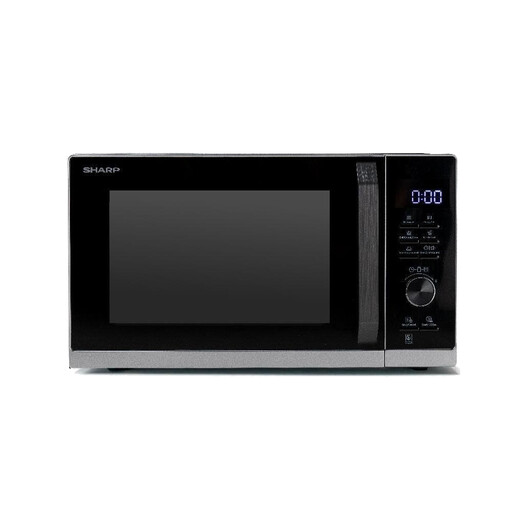
Sharp RCC271TS 3-in-1 combination microwave
Could be an option if you’d like to use the microwave function for reheating as well as cooking your casserole; check that your dish fits inside.
Specifications include 27 l; a 900 W microwave, 1.000 W grill and 2.100 W convection heater. According to the description, do not use metal or aluminium foil in microwave mode.
View at Joybuy
 No image available
Woltu BF12sz mini oven, 32 l
Described as a freestanding mini oven for baking and grilling; compare the dimensions of your casserole dish with the usable cooking space.
Specifications include 32 l, 1.600 W, a timer and a crumb tray. The stated temperature range is 100 to 250 °C.
View at Joybuy
 No image available
Woltu mini convection oven, 28 l
Could be a good choice if you’re looking for a freestanding oven with several heating modes; check that your dish fits the specific appliance.
Specifications include 28 l, a temperature control and a timer. Three heating modes are described: top heat, bottom heat or both together.
View at Joybuy
 No image available
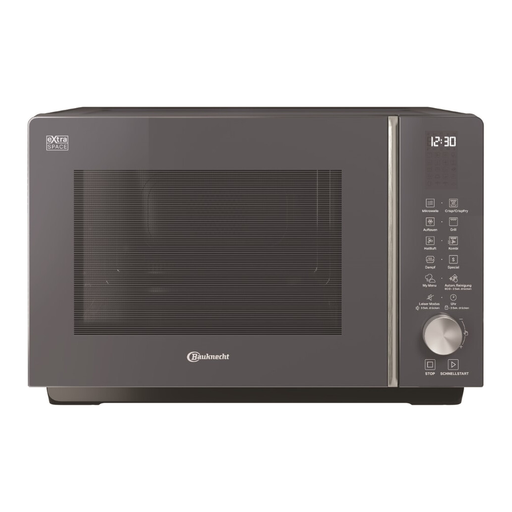
Bauknecht MF 259 SG, 25 l, no turntable
Could be an option if you’d like to use the microwave and grill as well as bake; check that your dish suits the appliance and the selected cooking mode.
Specifications include 25 l and a flat cooking-space floor without a turntable; convection, grill and microwave functions are listed. According to the description, don’t use metal containers or utensils with metal trim in microwave or combination mode.
View at Joybuy
 No image available
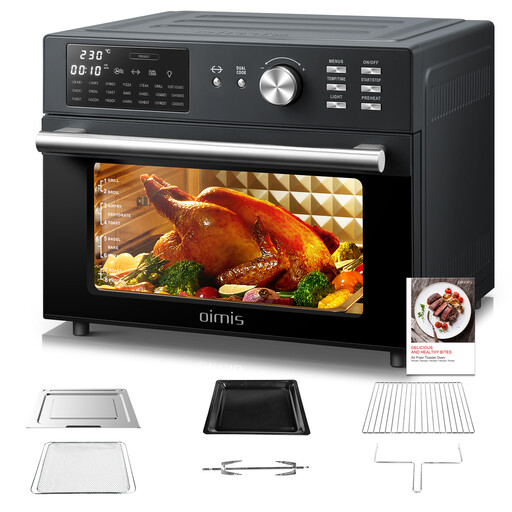
OIMIS air fryer toaster oven, 30 l
Could be an option for a casserole if a suitable dish fits inside; the cooking-space capacity alone doesn’t tell you whether it will fit.
Specifications include 30 l, 21 preset functions and 1.800 W; the description lists baking and 360° air circulation among its features. Keep the appliance away from flammable materials and clean the interior after each cooking cycle.
View at Joybuy
Frequently asked questions
Is the capacity in litres enough to choose a casserole dish that fits?
No. Measure the outside of the dish, including the handles, and compare it with the usable internal dimensions, shelf position and door opening of the specific appliance. A manufacturer’s measurement for a round dish doesn’t automatically confirm that a rectangular dish will fit.
Can I simply put a countertop oven in a cupboard in my holiday home?
Not without checking the instructions for the specific model. For the Steba KB M19, the instructions require, among other things, a 10 cm gap from the kitchen wall, clear ventilation slots and a properly earthed, easily accessible socket; the appliance is not a built-in oven. Also check whether the space and its use are suitable and permitted in your holiday home.
Can I put a casserole dish in an air fryer?
For the air fryers described by Philips, you can use ovenproof dishes made of glass, ceramic, metal or silicone, provided they fit the model and leave room at the sides for air to circulate. Philips advises placing the dish in the basket, not directly in the pan underneath. For other appliances, follow the relevant instructions.
How can I check whether raw sausage in a casserole is thoroughly cooked?
When cooking raw animal products, it’s the temperature inside the food that matters, not just the oven setting. The German Federal Institute for Risk Assessment recommends at least 70 °C for a minimum of two minutes throughout; a meat thermometer can help you check. If you’re using ready-to-eat sausage, also follow the pack instructions.
How can I check an oven’s energy use?
Where the information is available, compare energy use in kWh per standard cooking cycle and the relevant heating mode. The Verbraucherzentrale explains that oven energy labels show figures for conventional heating and fan-assisted cooking; actual energy use also depends on how you use the oven.


