Parents avoiding a specific allergen
If you need to avoid milk, soya or peanuts, for example, the information on the individual pack is crucial. A vegan or gluten-free claim alone won’t meet this need.


When you need a quick snack break in a busy family day, what matters isn’t a general ‘free from’ claim, but the specific ingredient you need to avoid. For snack mixes and other savoury snacks, check the ingredients, highlighted allergens and any ‘may contain’ warnings on the individual pack. ‘Gluten-free’, ‘lactose-free’ and ‘vegan’ each answer only part of the question. If you have a diagnosed allergy, follow your individual medical advice.
If you need to avoid milk, soya or peanuts, for example, the information on the individual pack is crucial. A vegan or gluten-free claim alone won’t meet this need.
A product with the relevant claim can make it easier to narrow down your choices. You’ll still need to check other ingredients and possible traces, such as soya or sesame, separately.
For a packaged snack break, a clear ingredients list and nutritional information may help you decide. Compare individual varieties rather than relying on general claims about a product range.
First, check whether you need to avoid a specific allergen. Only then is it worth comparing claims such as ‘gluten-free’ or looking at nutritional values.
| Criteria | What to check when buying | Who it’s relevant to |
|---|---|---|
| Specific allergen | The ingredients list, highlighted allergens and any ‘may contain’ warnings on the pack. | If I need to strictly avoid a specific ingredient, a general ‘free from’ claim isn’t enough. This specific allergen avoidance is the main priority for around 42% of consumers. |
| Gluten, lactose or vegan recipe | The claim for the variety you want, as well as any other allergens in the ingredients and trace warnings. | I’m looking for a snack with a specific dietary claim, without assuming that it’s completely free from allergens. This is the main concern for approximately 33% of consumers. |
| A practical choice for everyday life | Compare the ingredients list and nutritional information per 100 g and, where applicable, per serving. | If I don’t need to avoid specific ingredients, I want to choose a snack for a quick break with ingredients and nutritional values I can understand. This practical comparison takes priority for around 25% of consumers. |
These claims refer to different characteristics. According to Lorenz, Naturals Leicht fein gesalzen is gluten-free and vegan, but may contain milk. EDEKA24 describes Schär Salinis as gluten-free; the pretzels contain soya lecithin and may contain sesame.
First, identify the ingredients you need to avoid, then check the ingredients list and trace warnings on the specific pack.
A gluten-free and lactose-free claim doesn’t mean a product is free from nuts. The Ültje Pur Nussmischung described by EDEKA24 contains several tree nuts and may contain traces of peanuts.
If you need to avoid nuts or peanuts, check the exact mix. Whole nuts should also be kept out of reach of young children.
Lorenz points out that packs with different recipes and labelling may be on sale at the same time. So a variety you’ve checked once may not stay the same.
Check the label again every time you buy it, especially if you’re choosing a different flavour or the packaging has changed.
funny-frisch’s claim that its oven-baked crisps are lower in fat compares the range with conventional potato crisps. It doesn’t tell you which allergens a specific variety contains.
Compare fat and salt using the nutritional information for the variety you want, and check allergens separately.
Range pages can help you narrow down your options. Whether a snack is suitable for a specific dietary exclusion depends on the labelling for that individual variety.
Lorenz offers a range of potato, peanut and other savoury snacks, with ingredients and allergen information that vary from one variety to another.
The range includes crisps, oven-baked crisps, crackers and pretzel sticks, among other snacks. The range page has filters for vegan or gluten-free crisps.
The retailer has a section for gluten-free food and provides ingredients and allergen information for individual products.
Lidl describes Alesto as a range of nuts, dried fruit and seasoned party snacks.
This selection includes salt crackers and potato crisps for a packaged snack break. They’re different types of snack, not interchangeable snack mixes; if you need to avoid a specific allergen, the labelling for each variety is what matters.
 No image available
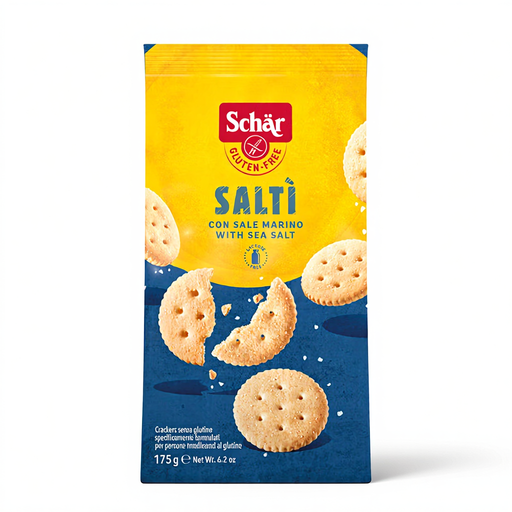
These crackers are labelled gluten-free, so they may be a good choice for a snack break if gluten is the main ingredient you need to avoid.
175 g pack. If you need to avoid other ingredients, check the ingredients list and trace warnings on the specific pack.
 No image available
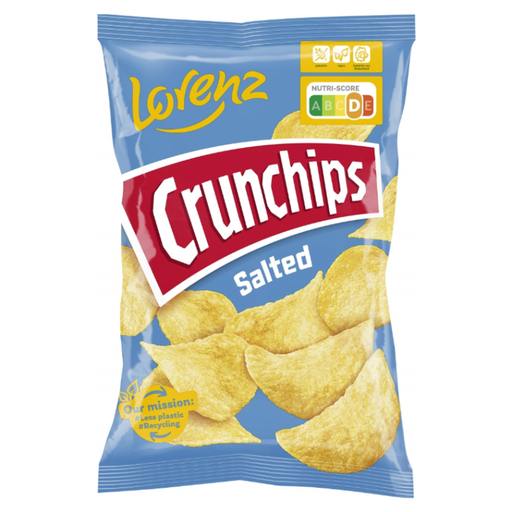
If you’re looking for salted potato crisps for a quick break, you can compare this variety with other snacks that have clear labelling.
200 g pack. Check the ingredients and trace warnings on this pack to decide whether it’s suitable for your specific allergen exclusion.
 No image available
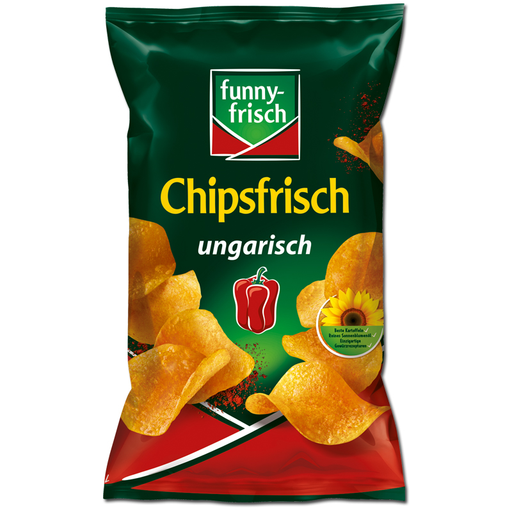
If you fancy seasoned potato crisps for a snack break, this variety may be suitable if its labelling meets your needs.
150 g pack. If you need to avoid a specific allergen, check the ingredients and any trace warnings on the specific pack.
No. If you need to strictly avoid milk, a vegan claim doesn’t replace checking for possible traces. Lorenz labels Naturals Leicht fein gesalzen as vegan, but also states ‘may contain milk’.
No. ‘Gluten-free’ doesn’t automatically mean free from soya, sesame or other allergens. For example, the Schär Salinis described by EDEKA24 contain soya lecithin and may contain sesame. Always check the labelling on the pack you want to buy.
Check the ingredients list for the specific ingredient you need to avoid, and read any trace warnings too. According to the European Commission, the 14 regulated allergens must be clearly declared when used as ingredients in food sold in the EU.
This warning indicates that the allergen may be present unintentionally. It doesn’t mean that the allergen is definitely present, or that it can be ruled out. If you need to strictly avoid it because of a diagnosed allergy, follow your individual medical advice when choosing products.