
Lieferung heute & morgen

Qualitätsgarantie

Willkommens-Angebote freischalten: KOSTENLOSE Lieferung | Bis zu 80 % RABATT | Kostenlose 30-Tage-JoyPlus-Testphase
App herunterladen
A good reciprocating saw blade set is crucial for efficiency in renovation, demolition, or garden work. But the market is flooded with options that promise more than they deliver. Many users invest in large sets, only to find the blades dull quickly, break, or are simply unsuitable for the job at hand. This guide will help you navigate the common pitfalls and make an informed decision.
Before you invest, you should be aware of the most common issues that lead to frustration and unnecessary expenses.
To avoid these mistakes, focus on three verifiable quality features.
The material is the most important factor for durability and performance. Look for the Bi-Metal (BIM) designation. Bi-Metal saw blades combine the best of both worlds:
This combination is essential for mixed applications, which are typical in demolition and renovation work.
The tooth pitch, specified in Teeth Per Inch (TPI), determines the cutting speed and quality for a specific material. As a rule of thumb:
A good set offers a well-thought-out selection of blades with different TPI values for various tasks.
Ensure that the blades have a 1/2-inch universal shank. This standard ensures that the blade is universally compatible with most common reciprocating saws (also known as sabre saws) from brands like Bosch, Makita, DeWalt, Metabo, and others.
Here are some recommendations tailored to specific needs and work styles.
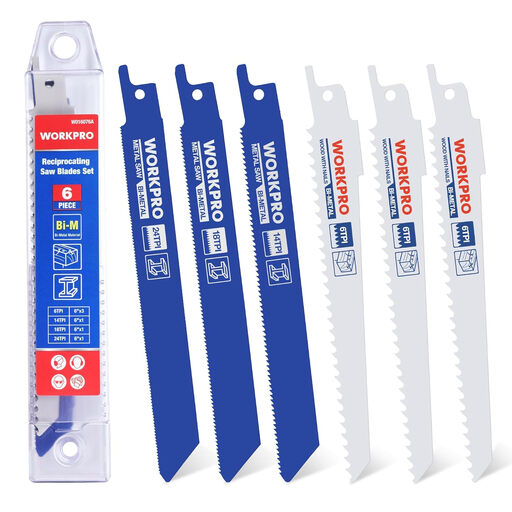
Why it fits this profile: Ideal for DIYers and professionals who need a reliable starter kit for the most common materials. The set covers wood, wood with nails, metal, and plastic without being overloaded with unnecessary specialty blades.
This set relies on Bi-Metal saw blades, which significantly increases durability compared to pure HCS blades. It's a curated selection instead of a confusing bulk pack.
The included storage case keeps blades organized and protected. The universal shank ensures broad compatibility with common saws.
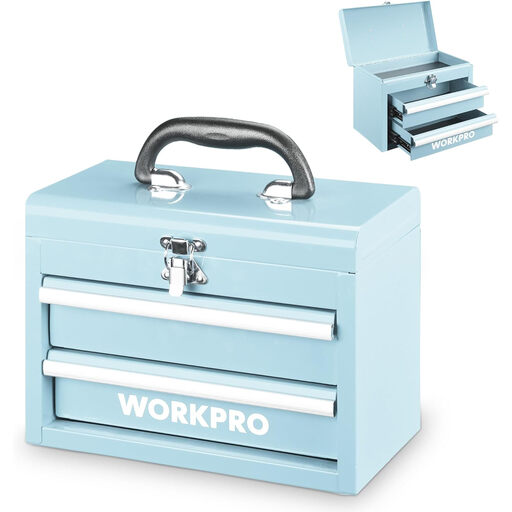
Why it fits this profile: For tradespeople who value efficiency and organization. A robust storage solution protects expensive saw blades and other accessories from damage and loss, saving time and money.
Tackles the hidden cost of disorganization. Loose blades get damaged or lost quickly. A dedicated case is a one-time investment that quickly pays for itself.
Sturdy metal construction with ball-bearing drawers for easy access. The carrying handle and latch make the box portable and secure for job site use.
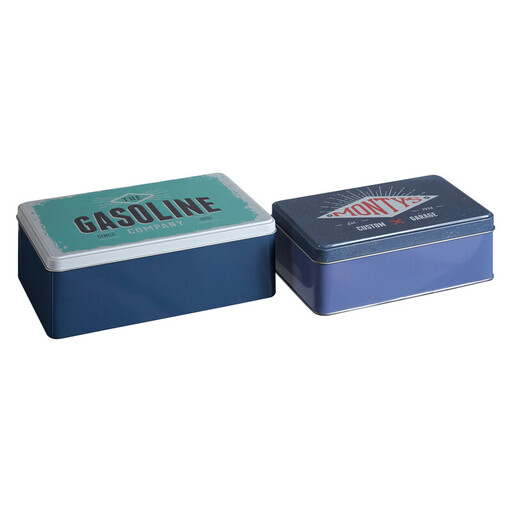
Why it fits this profile: A simple and cost-effective solution for the DIYer to keep different blade types separate and within reach. Ideal for separating wood from metal blades and protecting them from moisture and damage.
Prevents chaos in the tool drawer. Instead of storing blades loosely where they can become dull or rust, this set offers an organized and protective alternative.
Lightweight yet durable tinplate construction. The set of two sizes allows for easy sorting. The retro design also adds a stylish touch to the workshop.
An organized workshop is the foundation for efficient work. Discover more solutions to help you store your tools and accessories safely and within easy reach.
1. How long does a Bi-Metal saw blade last? The lifespan of a Bi-Metal saw blade heavily depends on the material being cut, the cutting speed, and the feed pressure. However, with proper use, especially when cutting metal or wood with nails, it can achieve a service life many times longer than a conventional HCS blade. Using cutting oil for metalwork and activating the orbital action for wood cuts can further extend its life.
2. Will all reciprocating saw blades fit my saw? Most blades manufactured today use a 1/2-inch universal shank, which is compatible with almost all common reciprocating saws. It is still advisable to check the product description for terms like "universal shank" or "standard mount" to ensure compatibility with your specific tool model.
3. What does the TPI number on saw blades mean? TPI stands for "Teeth Per Inch." This number indicates how many saw teeth are on a one-inch (2.54 cm) length of the blade. A low TPI number (e.g., 6 TPI) means few, but large, teeth for fast, aggressive cuts in soft materials like wood. A high TPI number (e.g., 24 TPI) means many small teeth, which provide a slower but finer and cleaner cut in hard materials like metal.