
Lieferung heute & morgen

Qualitätsgarantie

Willkommens-Angebote freischalten: KOSTENLOSE Lieferung | Bis zu 80 % RABATT | Kostenlose 30-Tage-JoyPlus-Testphase
App herunterladen
Whether you are tending the garden, cutting firewood, renovating or camping, the right saw depends on more than just the brand or motor power. The material, cutting diameter, reach, power source and safety features are all important. A small folding saw may be more practical for pruning than an electric chainsaw, while a long wood saw offers advantages when working with larger pieces.
As a Joybuy Product Recommendation Officer, I provide an objective overview of the most important selection criteria and show which models suit different usage scenarios.
With a mini chainsaw or cordless chainsaw, a high wattage can initially sound convincing. In practice, however, chain speed, guide bar length, chain tension and battery capacity are also relevant. A powerful motor is of little use if the battery runs out quickly or the chain is not lubricated sufficiently.
With a handsaw, tooth geometry is crucial. Coarse teeth cut through wood and branches quickly, but are less suitable for fine, controlled cuts.
Claims such as “up to 100 minutes” depend on the material, branch diameter, pressure applied, temperature and battery condition. You should therefore check:
A cordless saw is flexible to use, but in addition to the purchase price, there are ongoing costs for the battery, charger, chain oil and replacement chains.
A short pruning saw or folding saw is easy to transport. With electric models, however, you also need to consider chain maintenance, retensioning and the kickback zone. A compact design does not automatically make a saw suitable for one-handed use, working above shoulder height or use on a ladder. The manufacturer's instructions and appropriate personal protective equipment remain essential.
The blade or guide bar length should suit the workpiece. A longer blade increases the possible cutting depth, but can be more awkward to handle in confined spaces. With handsaws, specifications such as 7 TPI indicate the number of teeth per inch. Coarser teeth support fast cuts in wood, while finer teeth allow for more controlled cutting surfaces.
With chainsaws, 6 to 8 inches is suitable for many smaller branches and garden tasks. A 12-inch guide bar provides greater reach, but also increases the weight and the demands placed on safe handling.
Look for clear operating instructions, a functional blade guard and a secure locking mechanism on folding saws. For electric models, relevant features may include overload protection, overheating protection, a safety lock and a chain brake, where specified by the manufacturer.
Basic equipment should include safety glasses, suitable gloves and sturdy footwear. When using powered chainsaws, additional protective clothing is also required. Before carrying out maintenance, the battery must be removed or the power supply disconnected. Chain oil, cleaning and regular checks of the chain tension are all part of normal operation.
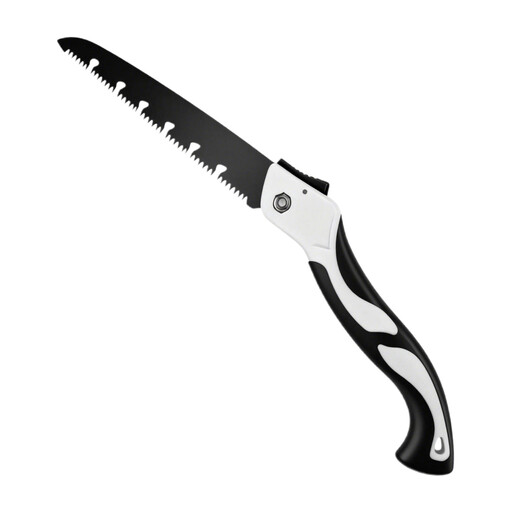
Why this product suits this profile: The compact folding saw is suitable for occasional garden work, camping and smaller woodworking tasks without a battery or charger.
No unclear battery claims: the saw works manually and can be cleaned and folded away after use.
19 cm blade, soft rubber handle and locking mechanism for compact storage.
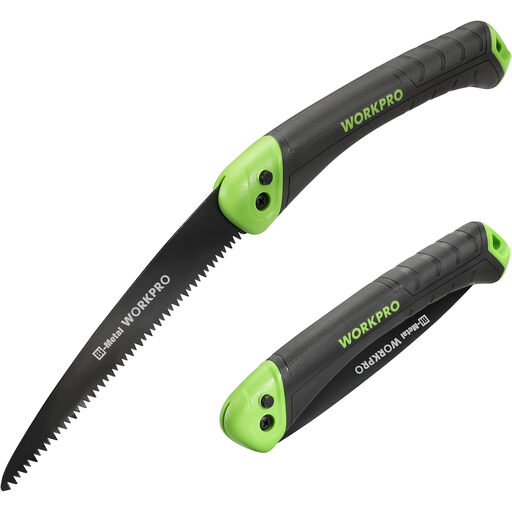
Why this product suits this profile: The bi-metal construction, adjustable cutting angle and TPR handle appeal to users who value material quality and control in a pruning saw.
The locking mechanism holds the blade in the selected position and protects it when folded.
Bi-metal blade, adjustable angle and folding design measuring 23 cm when closed.
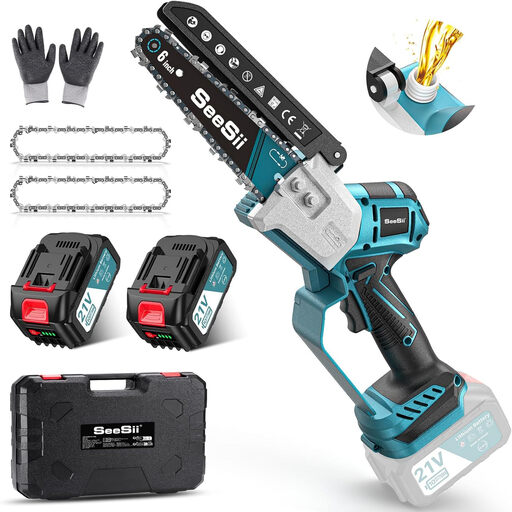
Why this product suits this profile: For more frequent garden work, this electric saw offers two 4000-mAh batteries, automatic chain lubrication and compatibility with Makita 18 V batteries, according to the product description.
The transparent oil reservoir makes monitoring easier. Overload, overheating and undervoltage protection are listed as features.
800-watt brushless motor, 7.8 m/s chain speed and two batteries included.
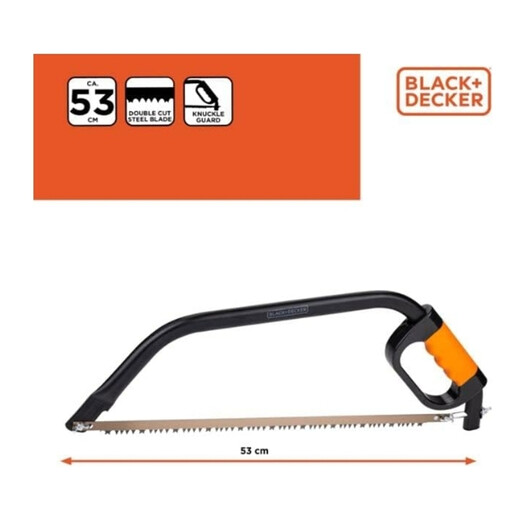
Why this product suits this profile: This manual handsaw is an interesting option for users who need a long reach without a battery or charger.
Performance does not depend on battery life or chain oil. A knuckle guard reduces direct contact between the hand and the saw blade.
53 cm steel frame, double-ground steel blade, comfort handle and a stated weight of 561 g.
A manual saw mainly needs cleaning, drying and occasional rust protection. With a chainsaw, additional consumable parts are required:
Before buying, also check whether replacement chains and compatible batteries are available. With a Makita-compatible chainsaw, a compatibility claim does not automatically mean that every Makita battery can be used without restriction. The voltage, design and manufacturer's instructions must match.
We have put together a complete, regularly updated list of products that fully meet these strict selection criteria and the safety regulations applicable in the EU.
For thinner and medium-sized branches, a garden saw, pruning saw or folding saw is suitable. For frequent work or larger diameters, a cordless chainsaw can save time. The key factors are guide bar length, weight, chain tension and safety features.
The service life depends on the quality of the materials, frequency of use, storage and maintenance. With handsaws, the teeth are the parts that wear most. With chainsaws, the chain, guide bar, battery and motor should be checked regularly. Dry, sheltered storage and cleaning after every use can reduce wear.
In addition to the purchase price, there are costs for the electricity used to charge it, chain oil, replacement chains and, where necessary, replacement batteries. If you already have compatible batteries, the charger may not be needed. For models supplied with batteries, compare the capacity, charging time and contents before buying.