
Lieferung heute & morgen

Qualitätsgarantie

Willkommens-Angebote freischalten: KOSTENLOSE Lieferung | Bis zu 80 % RABATT | Kostenlose 30-Tage-JoyPlus-Testphase
App herunterladen
Whether you’re pruning in the garden, cutting boards to size or carrying out a demolition job, a saw for the garden and DIY needs to suit the task, the material and the way you work. Many disappointing purchases aren’t down to a poor-quality tool, but to the wrong combination of saw type, blade length and power source.
The term “powerful” tells you little if there’s no specific application in mind. With a pruning saw, for example, it’s important to know what branch diameter it’s designed for. A mini chainsaw may be suitable for branches and smaller pieces of wood, but that doesn’t automatically mean it’s designed for thicker trunks or extended use.
Look for clear, verifiable details such as cutting length, chain speed, motor power or suitable material types.
An ergonomic handle or folding design can make a saw easier to use. But these features don’t replace a secure blade lock, stable footing or appropriate protective equipment. With a folding saw, the blade should lock securely in the open position. An electric saw should also have a switch you can control easily, a working safety mechanism and a straightforward blade-changing system.
A cordless saw may require additional batteries, a charger, chain oil or replacement chains. A manual wood saw, on the other hand, needs no power or battery, but may require more physical effort for frequent or long cuts. So check more than just the purchase price: look at what’s included, maintenance needs and the availability of spare parts.
A bi-metal saw blade typically combines a hard-toothed cutting edge with a more flexible backing material. This can offer a good balance of cutting performance and flexibility in a manual saw. Tooth design matters too: coarse teeth remove material quickly from green wood and branches, while finer teeth are better suited to more controlled cuts in thinner workpieces.
For a saw for branches and wood, the usable blade length should also suit the thickness of the material. A blade that’s too short requires more effort; a very long blade can be awkward for smaller cuts.
For a corded reciprocating saw, wattage is a useful technical guide. Its suitability also depends on variable speed control, stroke length and the blade used. A cordless chainsaw gives you more freedom to move around, but you’ll need charged batteries and proper chain maintenance.
Before buying, check:
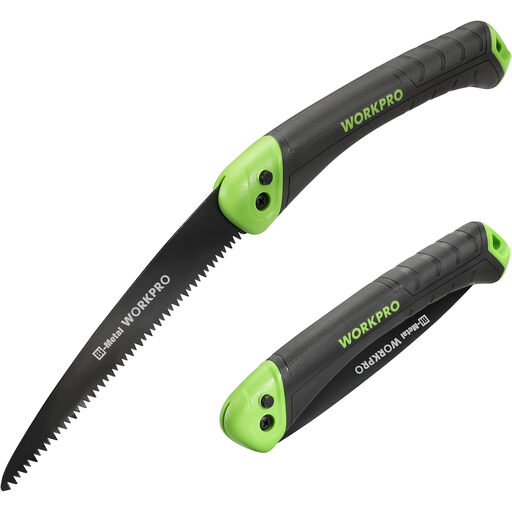
Why it suits this user: A compact manual garden saw for occasional cutting jobs, with no need for a battery, charger or mains socket.
According to the product information, the blade can be set at different angles and secured with a locking mechanism. This helps prevent it from folding unexpectedly while you’re working.
Bi-metal blade, 230 mm folded and 410 mm unfolded, according to WORKPRO product information; TPR handle with a non-slip surface.
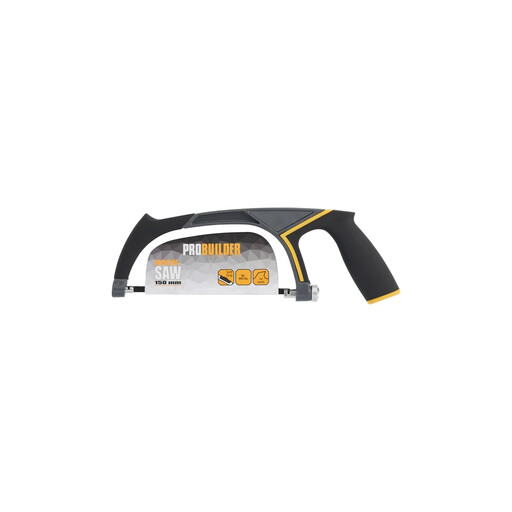
Why it suits this user: For DIYers looking for a compact hand saw for wood, plastic and soft metal profiles.
The product information clearly states which materials the saw is designed for. This makes it easier to use the saw for the right jobs, rather than attempting to cut unsuitable hard materials.
150 mm bi-metal blade and handle made from aluminium and plastic, according to PROBUILDER product information; net weight 0.2 kg.
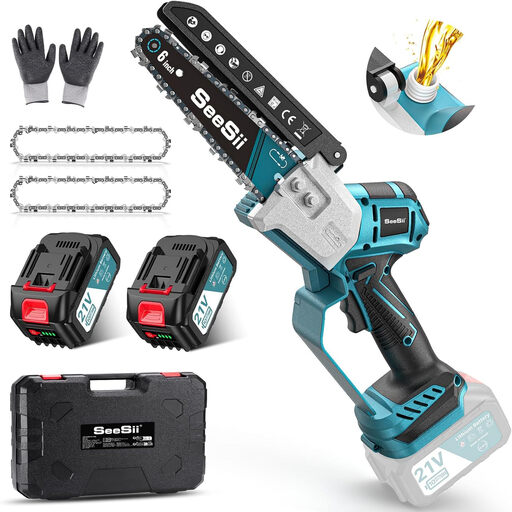
Why it suits this user: For garden owners and groundskeepers who regularly need to cut branches and smaller pieces of wood without a cable getting in the way.
The listed contents include a battery, charger, oil bottle, spare chains, gloves and safety glasses. Automatic chain lubrication makes maintenance needs clear, but doesn’t replace regular checks.
According to SEESII product information: brushless 800-W motor, chain speed of 7.8 m/s, two 4,000-mAh batteries and a recommended wood or branch thickness of up to 15 cm.
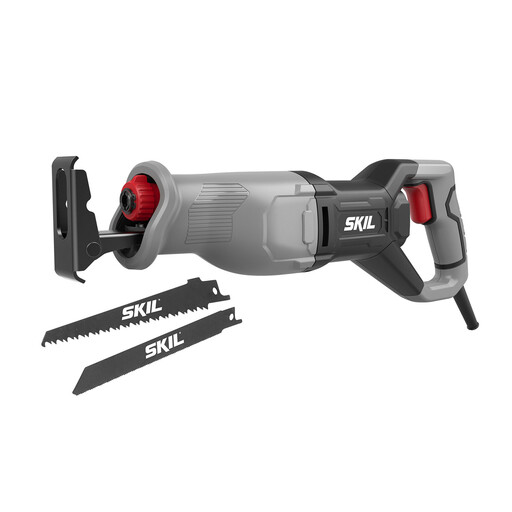
Why it suits this user: A corded reciprocating saw for anyone who needs an electric saw with variable speed for renovation, demolition and garden work.
Variable speed lets you adapt the saw to the material and the task. The tool-free blade-change system makes it quicker and easier to switch between suitable blades.
850 W according to Skil product information, Click blade-change system, adjustable foot and two-component handle.
We’ve put together a complete, regularly updated list of products that meet these strict selection criteria and the safety regulations in force in the EU.
Before each use, check the blade, chain, handle and lock for visible damage. Wear safety glasses and suitable gloves, and keep your hands away from the cutting area. Before changing the blade or carrying out maintenance on an electric saw, switch it off and disconnect it from the mains.
After use:
A pruning saw or folding saw is often enough for occasional or regular pruning. For thicker branches and more frequent jobs, a mini chainsaw can save time. Check the specified cutting diameter, how safely you can handle it and whether you can maintain the chain properly.
Blade life depends on the material, how much you cut, the pressure you apply and how well you maintain it. Resin, dirt and unsuitable materials can wear down the teeth more quickly. If a blade is blunt, don’t keep using it with extra pressure: replace it instead.
A corded reciprocating saw uses electricity while it’s running. For a cordless saw, ongoing costs include battery charging, replacement batteries, chain oil and, where needed, spare chains. A hand saw has no energy costs, but requires more manual effort.