Choosing the right saw can be the deciding factor between a project that goes smoothly and one that ends in frustration. However, the market for Saws & Saw Blades is overwhelming and filled with marketing promises that often confuse more than they help. Many buyers invest in tools that are either unsuitable for their needs or quickly lose performance due to hidden defects. Before you make a decision, it's crucial to understand the most common pitfalls.
- The trap of exaggerated performance specs: Especially with cordless tools, high wattage figures are advertised that say little about actual cutting performance and endurance. A device with a high wattage but a weak battery or an inefficient motor will disappoint in practice.
- Inferior blade materials: A common frustration is "universal" saw blades that dull quickly on harder materials like metal. The quality of the blade's material is often more important than the saw itself, yet it's frequently overlooked during purchase.
- Neglected ergonomics and safety: Budget-friendly saws often cut corners on grip ergonomics and essential safety features like a reliable blade lock. This not only leads to quicker fatigue but also poses a significant safety risk.
What Really Matters When Making Your Selection
To make an informed purchasing decision, you should focus on objective, technical parameters rather than marketing slogans. The following three criteria are crucial for the performance and longevity of your saw.
1. Saw Type: Manual or Powered?
The first decision concerns the power source. Each saw type has specific areas of application:
- Manual Saws: Ideal for precision, control, and use without a power source.
- Hand Saw / Crosscut Saw: The classic choice for straight cuts in wood-based materials.
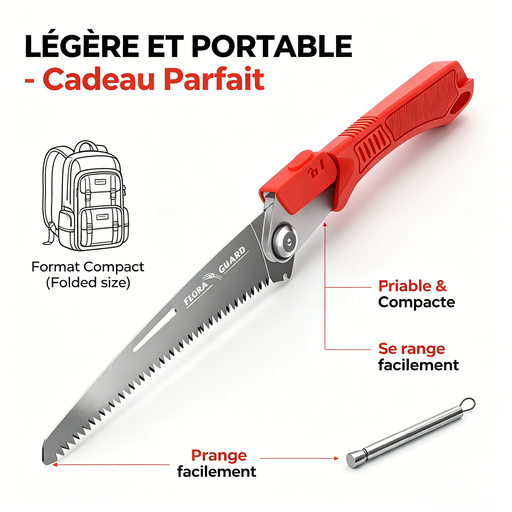
- Folding Saw / Pruning Saw: Compact and safe to transport, perfect as a garden saw for use on the go, while camping, or for tree pruning.
- Bow Saw: Offers high stability due to its tensioned frame, ideal for cuts in metal (hacksaw) or green wood.
- Powered Saws: Efficient for fast, power-intensive jobs.
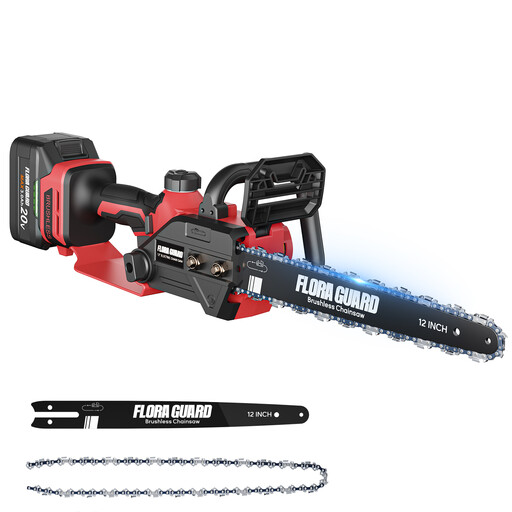
- Cordless Chainsaw: Offers high mobility and power for felling small trees or cutting firewood. A mini chainsaw is a lighter version for one-handed branch trimming.
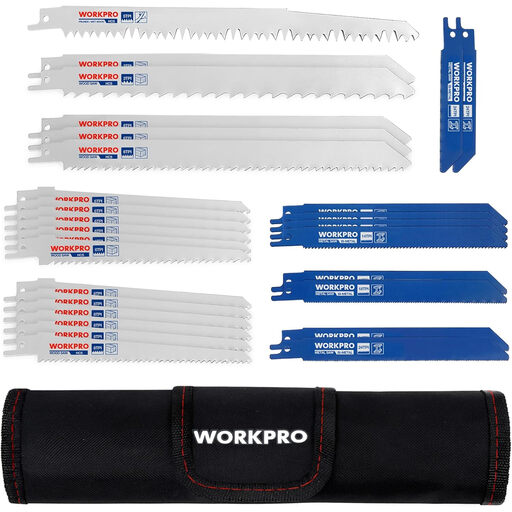
- Reciprocating Saw: A versatile tool for demolition work and rough cuts in wood, metal, and plastic. Its performance heavily depends on the reciprocating saw blades used.
2. The Saw Blade: Material and Teeth (TPI)
The saw blade is the component that performs the actual cut. Its quality determines the result.
- Material: Pay attention to specific material specifications. Bi-metal saw blades combine a flexible steel body with hard HSS (High-Speed Steel) teeth, offering a good balance of durability and flexibility. SK-5 steel is a high-quality carbon steel often used in Japanese pull saws and premium folding saws, known for its sharpness.
- Teeth (TPI - Teeth Per Inch): The number of teeth per inch determines the cutting speed and quality.
- Low TPI (e.g., 6-10): Coarse teeth for fast cuts in wood (wood saw).
- High TPI (e.g., 18-32): Fine teeth for clean cuts in metal or hard plastic.
3. Battery Technology: More Than Just Watts
For a cordless chainsaw or other battery-powered tools, two values are more critical than the wattage figure alone:
- Voltage (Volts, V): Indicates the basic power class of the system. Higher voltage generally means more power.
- Capacity (Amp-hours, Ah): Determines the runtime. A battery with more Ah allows for longer work periods without recharging.
- Motor Type: A brushless motor is a clear indicator of quality. It operates more efficiently, generates less heat, and has a significantly longer lifespan than conventional brushed motors.
Our Top Recommendations
Based on these objective criteria, we have selected products for typical user profiles.
MATCH FOR: Outdoor & Camping Use
Why This Fits Their Persona: Perfect for users who need a compact yet powerful tool for the garden, camping, or bushcraft. Its light weight and secure folding design make it the ideal companion for on-the-go tasks.
How It Avoids the Trap
Instead of using an undefined material, this saw features a blade made of SK-5 steel, a standard for high sharpness and durability. The safety lock prevents accidental opening or closing, directly addressing the pitfall of neglected safety.
Key Advantage & Pros
The sharp, durable blade enables fast cuts. The ergonomic TPR grip reduces hand and arm fatigue during extended use.
MATCH FOR: Demanding Garden Maintenance
Why This Fits Their Persona: Ideal for homeowners and garden enthusiasts who regularly need to cut thicker branches or small trees and value mobility and low maintenance.
How It Avoids the Trap
This model bypasses the wattage-only trap by specifying concrete performance features: a 1200W brushless motor for efficiency and longevity, plus two 4000mAh batteries for extended runtime. The automatic chain lubrication is another practical feature.
Key Advantage & Pros
The combination of a brushless motor and high battery capacity ensures consistently high cutting performance. The tool-free chain tensioning significantly simplifies maintenance.
MATCH FOR: Ambitious DIY Enthusiasts
Why This Fits Their Persona: For DIYers who own a reciprocating saw and need a wide range of blades for various materials in renovation or construction projects. This set offers an organised and comprehensive solution.
How It Avoids the Trap
This set solves the problem of unsuitable "universal" blades by providing specific blades for wood (CrV steel) and metal (bi-metal with HSS teeth). The clear labelling and included pouch promote proper selection and storage.
Key Advantage & Pros
The wide selection of 32 blades covers almost any application. Universal compatibility with common reciprocating saw brands makes it a flexible addition to any workshop.
Looking for More Options?
We have compiled a complete, up-to-date list of products that fully meet these strict selection criteria and safety standards.
Frequently Asked Questions (FAQ)
How do I choose the right teeth per inch (TPI) for my saw blade?
The choice of TPI depends on the material and the desired result. A simple rule of thumb is:
- For Wood: A low TPI (e.g., 6-10) provides a fast but coarse cut. For cleaner cuts in hardwood or panel materials, a higher TPI (10-14) is better.
- For Metal: A high TPI (e.g., 18-32) is required. The thinner the metal, the finer the teeth should be to prevent snagging. As a rule of thumb, at least three teeth should be in contact with the material at all times.
What is the difference between a brushed and a brushless motor in cordless saws?
A brushless motor is technologically more advanced. It has no physical carbon brushes that can wear out. This results in several advantages: higher efficiency (more power per battery charge), less heat generation, lower maintenance, and a significantly longer motor lifespan. Tools with brushless motors are often slightly more expensive to purchase but offer better long-term performance and durability.
How do I properly store saws and saw blades to extend their lifespan?
Proper storage is crucial to prevent rust and maintain sharpness. Always store saws and blades in a dry place. Clean blades of resin and debris after use. A light film of oil on the saw blade can prevent corrosion. Folding saws should always be stored in the closed position, and chainsaws with the chain guard on. Blades for jigsaws or reciprocating saws are best kept in a dedicated case or pouch to protect them from damage.