
Lieferung heute & morgen

Qualitätsgarantie

Willkommens-Angebote freischalten: KOSTENLOSE Lieferung | Bis zu 80 % RABATT | Kostenlose 30-Tage-JoyPlus-Testphase
App herunterladen
The search for the perfect model car can quickly become overwhelming. The market ranges from sturdy toy cars for children to highly detailed die-cast models for display cases. Whether it's a gift for a car enthusiast or an addition to your own collection, making the right choice is crucial to avoid disappointment. Many buyers are drawn in by appealing product images, but overlook critical details that determine the product's longevity and your enjoyment of it. This guide will show you which pitfalls to watch out for and what features truly matter.
Before you make a decision, it's helpful to know the common problems that often only become apparent after the purchase.
The Material Trap: Flimsy Plastic Instead of Sturdy Metal A common frustration is models advertised as "metal cars" but whose bodies are made of thin, brittle plastic, or whose load-bearing parts like axles and chassis give way quickly. This is especially true for toy cars intended for active play, leading to a short lifespan and frustration.
The Detail Dilemma: Delicate Collectibles in the Playroom Conversely, a highly detailed collector's model can be unsuitable for children. Delicate parts like side mirrors, antennas, or spoilers can break off during the first rough play session. A durable toy car intentionally omits such details to withstand daily play.
The Scale Misunderstanding: Size Isn't Self-Explanatory The "1:64 scale" or "1:24 scale" specification means little about the actual size without context. Many buyers are surprised when the delivered model is much smaller or larger than they expected. This is especially relevant if the car needs to fit in with an existing collection or a play system from brands like Siku cars or Hot Wheels.
To avoid these mistakes, you should focus on three objective criteria that define a model's quality and intended use.
The term die-cast models generally signifies higher quality. Pay attention to the following points:
The scale indicates the size ratio of the model to the original vehicle. A smaller denominator means a larger model (e.g., 1:18 is larger than 1:64).
Additional features enhance the play value or the appeal for collectors.
Based on these criteria, we have identified several models suitable for different user profiles.
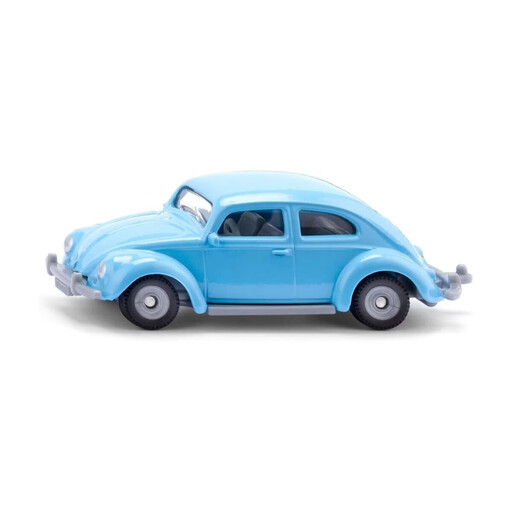
Why this model is a great fit: Ideal for parents looking for a durable and safe toy car for children aged 3 and up. The iconic design of the VW Beetle appeals to children and adults alike.
The sturdy metal body withstands even intense play, thus avoiding the trap of cheap plastic models that break easily.
Excellent rolling performance from its rubber tyres ensures long-lasting fun on various surfaces.
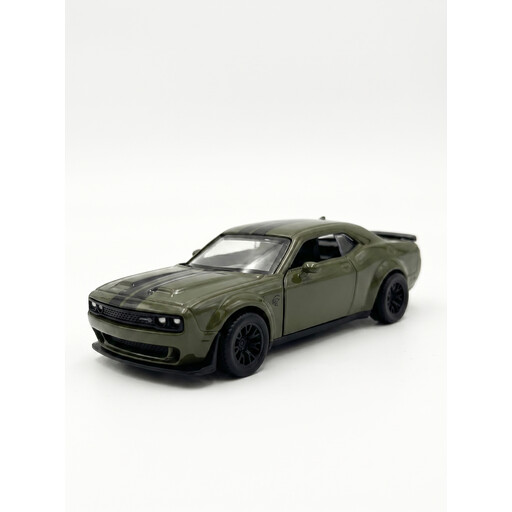
Why this model is a great fit: A great choice for older children or beginners looking for a model with collector appeal and play features. It combines an attractive look with interactive elements.
This model solves the detail dilemma by combining robust collector details (opening doors) with a solid play feature (pull-back motor).
The zinc alloy body ensures durability, while the rounded edges make it safe to handle.

Why this model is a great fit: Perfect for children who love to act out realistic scenarios. The authentic design as a toy police car stimulates the imagination and allows for exciting role-playing.
Instead of being a generic car, this model offers a specific play incentive. The trailer hitch expands play possibilities with compatible Siku trailers.
The combination of a metal body, an opening tailgate, and rubber tyres ensures a robust design and high play value.
We have compiled a complete, up-to-date list of products that fully meet these strict selection criteria and safety regulations.
The scale is a ratio that indicates how much smaller the model is compared to the original vehicle. For example, a 1:24 scale means the model is 24 times smaller than the real car. The smaller the second number, the larger the model car.
It depends on the specific model. Many die-cast models from brands like Siku are specifically designed as toy cars for children aged 3 and up and are built to be durable. Always check the manufacturer's age recommendation. Highly detailed collectible metal cars can contain small, swallowable parts and are therefore often only suitable for older children or adults. The warning "Not suitable for children under 36 months" is crucial here.
To clean collectible metal cars, a dry, soft microfibre cloth is usually sufficient to remove dust. For more stubborn dirt, a soft-bristled brush can be used for hard-to-reach areas like the interior or the wheel rims. Avoid water and harsh cleaning agents, as they can damage the paint and decals.