What should you look for when buying?
First, check whether the originals can be handled gently using the scanning method you have in mind. Then compare scan detail, your actual printing needs and the connections available in your small classroom.
| Requirement |
What to check before buying |
Who should pay particular attention? |
| Capture originals gently |
The condition and dimensions of each card, the usable glass area and whether the lid closes without pressing down. |
If I want to show delicate or warped cards in the classroom, gentle handling matters more to me than a fast document feeder. Around 36% of consumers put protecting originals first. |
| Preserve image and text detail |
Scanner specifications and settings listed separately; check the front and reverse in a sample scan at the intended viewing size. |
If I want to enlarge images or show handwritten messages on the reverse clearly, I check the scan results myself. Around 29% of consumers prioritise image detail. |
| Regular printing |
Check that the cartridges or ink tanks suit your printing needs, and look for automatic duplex printing if you print double-sided worksheets. |
If I regularly print teaching materials as well as cards, consumables and double-sided printing matter to me. Around 21% of consumers prioritise regular printing. |
| Workflow in a small room |
Space required, connection to the school device and intended storage location; check that USB, Wi-Fi, the control panel or app suit your actual workflow. |
If I want to scan quickly and save files in the right place in a small room, I check the connections and how the device is operated. Around 14% of consumers prioritise a simple workflow in a small space. |
Joybuy products
This selection includes all-in-one printers and portable printers. For scanning postcards, the key question is whether the specific model can accommodate the card on a suitable glass surface.
 No image available
HP Envy 6520 All-in-One Wireless Inkjet Printer
Automatic double-sided printing may be useful for teaching materials; delicate cards shouldn’t be fed through an automatic document feeder.
The product name describes a wireless all-in-one inkjet printer. The U.S. National Archives and Records Administration warns against using feeders with delicate, weak or bent items.
Joybuy
 No image available
HP Envy 6120 All-in-One Wireless Inkjet Printer
As a wireless all-in-one printer, this model may suit a workflow where you need printing and scanning in one device.
The product name describes a wireless all-in-one inkjet printer. Check whether cards can lie on the glass without being pressed down when using the specific scanning method.
Joybuy
 No image available
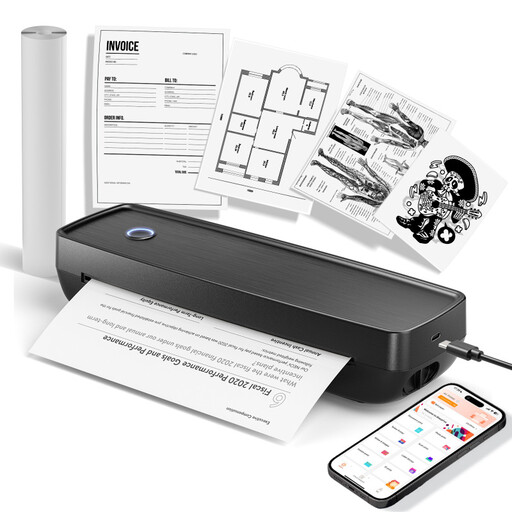
Portable Wireless Printer, Inkless Mobile Printer
As a portable printer, this model is a separate option for printing on the go, rather than a primary choice for scanning old postcards.
The product name lists US Letter and Legal formats, as well as compatibility with iOS, Android and laptops.
Joybuy
 No image available
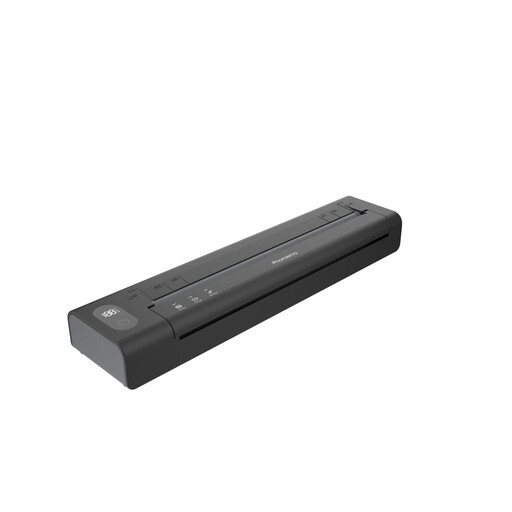
Phomemo A282U Portable Wireless Printer, Black
This portable printer is a mobile printing option; you’ll need to consider a suitable scanning method separately to digitise the cards.
Joybuy
 No image available
HP Color LaserJet Pro MFP 3302sdwg
An all-in-one colour printer may suit a classroom where scanning and printing teaching materials go hand in hand.
The product name lists colour laser printing, automatic double-sided printing, a touchscreen, Wi-Fi, Ethernet and USB. Check that the glass surface is large enough for each card.
Joybuy
Frequently asked questions
Should I scan old postcards using an automatic document feeder?
Don’t do so just to save time: the U.S. National Archives and Records Administration warns that automatic document feeders may not be suitable for fragile, weak, bent or valuable paper, as items can get caught and tear. Check whether it’s safe to use a flatbed scanner for each individual card.
How should I prepare for scanning in the classroom?
Place only an original that’s sturdy enough fully on the glass, and don’t press the lid down onto the card if it won’t close freely. Keep the work surface clean, handle photographic surfaces by the edges where possible, and plan your file names and backups.
How should I compare ink tanks and cartridges for classroom use?
Compare the consumables compatible with the exact model against your expected printing needs, and consider black-and-white, colour and photo printing separately. Manufacturers’ page-yield estimates are based on specific conditions and don’t predict how many prints you’ll get.
Can I publish scans of old postcards online in Germany?
There’s no blanket answer: a card’s age alone doesn’t settle the question of rights. Under § 64 UrhG, copyright generally expires 70 years after the author’s death. § 60a UrhG permits certain uses to illustrate teaching, subject to its conditions, but it doesn’t give general permission to publish material on a public website. Check the rights to the image and, where relevant, the text for your intended use; also check the reverse for personal information and consider data protection requirements. The relevant legislation is available in the legal text provided by the Federal Ministry of Justice and the Federal Office of Justice.
Can cards with names or addresses be automatically saved to a scanner cloud service?
There’s no blanket permission for this. If scans contain personal data, you need to check the purpose and lawfulness of processing. The Data Protection Conference notes that online services used by schools must process data where this is necessary for school tasks. Agree the storage location and access permissions with the relevant school rather than enabling a cloud feature automatically.


