
Lieferung heute & morgen

Qualitätsgarantie

Willkommens-Angebote freischalten: KOSTENLOSE Lieferung | Bis zu 80 % RABATT | Kostenlose 30-Tage-JoyPlus-Testphase
App herunterladen
A high-quality scented candle can transform a room, create a cosy atmosphere, and invigorate the senses. But the market is saturated, and not every candle lives up to its appearance. Many buyers know the disappointment: a candle that barely has a scent, burns unevenly, or leaves behind an unsightly layer of soot.
This guide will help you navigate the common pitfalls. We focus on the objective characteristics that distinguish a good scented candle from a poor one, so your next purchase is an informed decision.
Before you even decide on a scent, the basic quality features should be checked. Three problems are particularly common:
To avoid the problems mentioned above, you should consider three crucial factors before buying. These significantly determine the burn quality and the fragrance experience.
The type of wax has a direct impact on burn time, soot production, and scent distribution.
The wick is the engine of the candle. Its composition is crucial for a clean and even flame.
The quality of a home fragrance candle depends on the oils used and their percentage in the wax. A high fragrance oil concentration (often between 6% and 12%) is necessary for the scent to actually fill the room. Whether synthetic fragrance oils or natural essential oils are used influences the character of the scent. For specific purposes, like an odour-eliminating candle (e.g., for tobacco smoke or kitchen smells), special molecules are used that not only mask odours but neutralise them.
Here are some recommendations tailored to different needs and use cases, taking into account the quality criteria mentioned above.
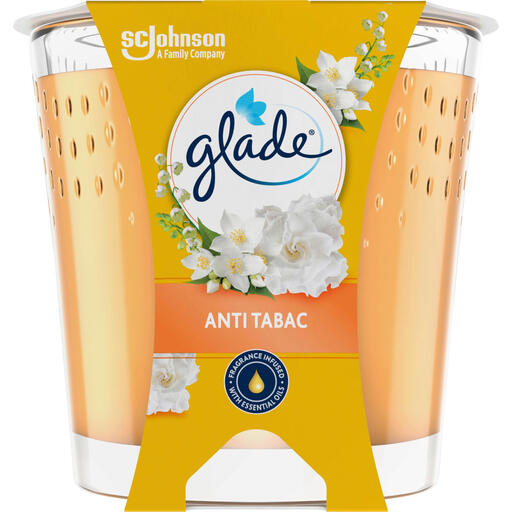
Why This Fits Their Persona: This candle is designed for users who want to solve a specific problem: neutralising unpleasant odours like stale smoke. The focus here is clearly on functionality rather than a complex fragrance experience.
It avoids the "disappointing scent throw" trap because its primary job is odour neutralisation, which it accomplishes with a fresh, clean scent.
Formulated to combat the smell of smoke. The classic design of the scented candle in a jar is unobtrusive and fits into many environments.
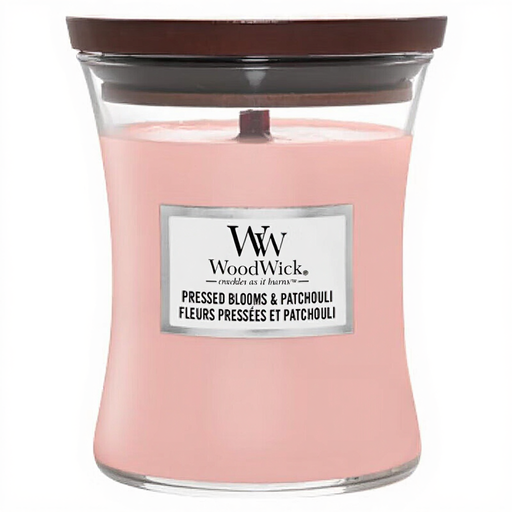
Why This Fits Their Persona: For those seeking more than just a scent. This candle offers a multi-sensory experience: a complex, floral-woody fragrance combined with the soothing crackle of the wooden wick, creating a relaxing fireplace atmosphere.
The wide wooden wick promotes an even melt pool that reaches the edge of the glass, effectively preventing the dreaded tunnelling.
Unique crackling sound from the patented Hearthwick wooden wick. The hourglass shape of the jar is also a decorative element.
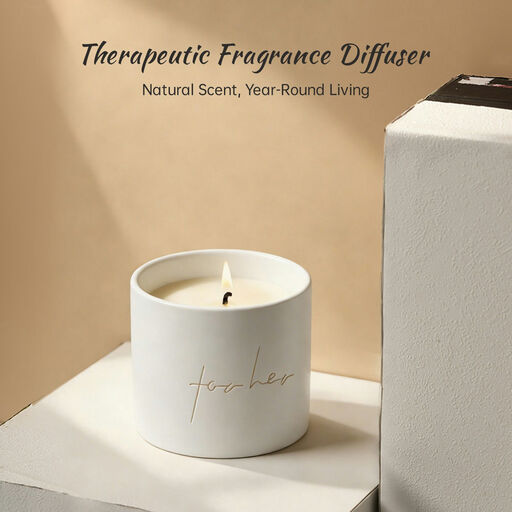
Why This Fits Their Persona: Here, design takes centre stage. The high-quality ceramic vessel is a decorative object in its own right, which can be repurposed after the candle has burned down. The white tea scent is subtle and elegant.
The use of a soy wax blend and a quality wick ensures a clean burn without heavy sooting, preserving the aesthetic of the ceramic vessel.
Reusable, stylish ceramic vessel. The high fragrance oil concentration of 8% ensures a present but not overpowering scent.
We have compiled a complete, up-to-date list of products that fully meet these strict selection criteria and all applicable safety regulations.
The most important step to prevent tunnelling is to let the candle burn long enough on the first use for the entire surface of the wax to become liquid. This can take 2 to 4 hours, depending on the size of the candle. This "memory burn" ensures the candle burns down evenly on all future uses.
There is no single "correct" wax type; the choice depends on personal preference. High-quality paraffin offers excellent scent throw. Soy wax is valued for its clean and slow burn. Blends often try to combine the best of both worlds. Pay attention to the product description to make an informed decision.
As a general guideline, a candle should not burn for more than four hours at a time. This prevents the glass from overheating and the flame from becoming too high and potentially sooty. Trim the wick to about 5–6 mm before each relighting to ensure a clean and controlled flame.