
Lieferung heute & morgen

Qualitätsgarantie

Willkommens-Angebote freischalten: KOSTENLOSE Lieferung | Bis zu 80 % RABATT | Kostenlose 30-Tage-JoyPlus-Testphase
App herunterladen
A high-quality scented candle can completely transform a room's atmosphere and create a sanctuary of tranquility. However, the market is saturated, and not every product delivers on its promise. Before you make a decision, it's crucial to understand the common pitfalls that often lead to disappointment and wasted money. Many buyers find that the scent fades quickly, the candle burns unevenly, or it produces unsightly soot. This guide will help you avoid these problems and find an aroma candle that meets your standards for quality and aesthetics.
Choosing a candle should go beyond simply liking its scent in the store. Certain flaws only become apparent when you use it at home.
To avoid the issues mentioned above, you should pay attention to a few technical specifications before buying. These objective criteria are more reliable than mere marketing claims.
The type of wax is critical for burn performance and scent distribution. While paraffin, a petroleum by-product, is widespread and inexpensive, it is more prone to producing soot. A soy wax candle is an often-preferred alternative. Soy wax is derived from soybean oil, is a renewable resource, and is known for its cleaner, slower burn. This results in a longer burn time and a more even release of fragrance. Many high-end candles for the home use blends with a high soy wax content.
The wick is the engine of the candle. Its material and thickness must be precisely matched to the vessel's diameter and the wax type. A wick that is too thin will inevitably lead to tunnelling, while one that is too thick creates an overly large flame that flickers and produces soot. High-quality wicks, such as HTP (High-Temperature Paper) wicks, often consist of braided cotton with paper filaments that ensure a stable, smoke-free flame and an even wax melt.
The stated fragrance oil concentration is a clear indicator of quality. A concentration of 8% or more is considered high and ensures an intense room fragrance that can fill even larger rooms. Pay attention to the description of the fragrances. While synthetic fragrance oils offer a wide range of scents, plant-based essential oils are often used for more natural scent experiences.
Based on these objective criteria, we have identified several products suitable for different user profiles and requirements.
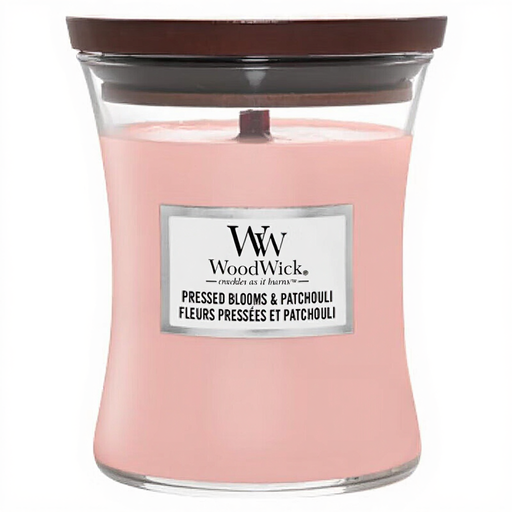
Why This Fits Their Persona: For those who see a candle as a stylish piece of decor. The elegant hourglass shape and the unique experience of the crackling wood wick make it a centrepiece in any living room or bedroom.
The patented Hearthwick wood wick is engineered to create a wide melt pool, effectively preventing tunnelling and ensuring an even burn.
A unique sensory experience thanks to the crackling sound of the wood wick, reminiscent of a fireplace. The fragrance composition of floral notes, vetiver, and patchouli is complex and sophisticated.
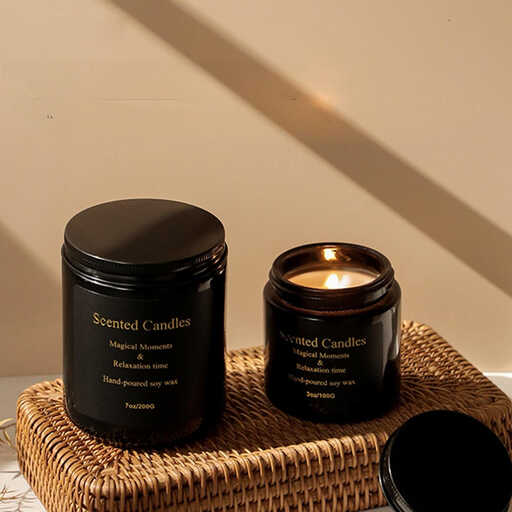
Why This Fits Their Persona: Ideal for users who prioritise an intense and authentic fragrance experience. The focus is on the quality and concentration of the fragrance oils for a noticeable effect in the room.
The high concentration of fragrance oils counteracts the problem of a weak or fleeting scent. The soy wax base ensures efficient and long-lasting fragrance release.
The combination of juniper and lavender creates a crisp, calming scent. The imported HTP wick ensures a clean burn with negligible soot.
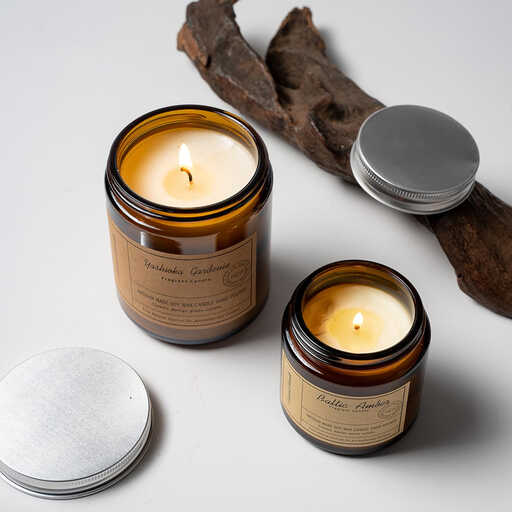
Why This Fits Their Persona: A reliable choice for everyday use. This user is looking for a straightforward candle that creates a pleasant background atmosphere without being overpowering. Value for money and functionality are the top priorities.
By using a soy wax blend and a quality HTP wick, common issues like soot and tunnelling are minimised. The high fragrance concentration of 8% ensures reliable scent performance.
The fresh citrus scent is universal and well-suited for creating an invigorating and clean atmosphere. The simple scented candle in a jar design is timeless, and the vessel can be repurposed after use.
We've compiled a complete, real-time updated list of products that fully meet these strict selection criteria and all applicable safety regulations.
The most important step is to let the candle burn long enough on the first use for the entire surface of the wax to become liquid. This can take 2 to 4 hours, depending on the candle's size. This "memory burn" ensures that the candle will burn evenly in the future. Additionally, trim the wick to about 6 mm (1/4 inch) before each use.
From a technical standpoint, soy wax offers objective advantages. It has a lower melting point, which leads to a longer burn time and better scent throw as a larger melt pool is formed. It also generally burns cleaner and with less soot than paraffin.
It is recommended not to burn a scented candle for more than four hours at a time. This is for safety and prevents the glass from overheating. Let the candle cool completely before relighting it. A burning candle should never be left unattended.