
Lieferung heute & morgen

Qualitätsgarantie

Willkommens-Angebote freischalten: KOSTENLOSE Lieferung | Bis zu 80 % RABATT | Kostenlose 30-Tage-JoyPlus-Testphase
App herunterladen
Scented candles combine home accessories with room fragrance. They look at home on a side table in the living room, add a decorative touch to the bathroom or make a scented candle gift. But with attractive glass containers, familiar brand names and claims such as ‘long-lasting’, the differences aren’t always immediately clear.
Three common buying mistakes can lead to unnecessary expense:
A soy wax scented candle may be made entirely from soy wax or from a blend of waxes. This should be clearly stated in the product description. According to its product description, the Yankee Candle Amber & Sandalwood Signature Large Jar uses a soy wax blend. Other models, such as the Warm Cashmere Signature Large Jar, are described as being made from paraffin wax and fragrance oil.
Paraffin isn’t automatically a reason to rule out a candle. Clear information about the materials, recommended wick care and safe use matter more. Heat-resistant glass or a porcelain container helps protect the surrounding area from liquid wax, but the container itself gets hot as the candle burns. A scented candle in a glass container should therefore only be placed on a flat, heat-resistant surface.
Burn time depends on factors including the amount of wax, the shape of the container, the number of wicks and the recommended burn time per session. A large container doesn’t automatically mean a proportionally longer burn time.
Look for:
According to its product description, the Amber & Sandalwood Signature Large Jar contains 567 g, has two wicks and burns for 60 to 90 hours. The Jo Malone Wood Sage & Sea Salt Candle contains 200 g and is listed with an approximate burn time of 45 hours. The Zooly Amber Time Scented Candle is listed as containing 100 g, with a burn time of up to 30 hours. These are product claims, not figures measured using a standardised comparison method.
A fragrance should suit the size and style of the room, as well as how you use it. A vanilla scented candle often comes across as warm and sweet, while a lavender scented candle is usually associated with floral, fresh notes. This describes the character of the fragrance, not a therapeutic effect.
Woody, spicy or fruity-floral blends can work well in a living room. Fresh, citrus or green notes are a good fit for a bathroom. For a bedroom, consider what you personally find comfortable, and never leave a candle burning while you sleep.
Pay attention to the information on the packaging about fragrance ingredients. Some fragrance components can cause allergic reactions. If you know you’re sensitive to certain ingredients, check the product information carefully and seek medical advice if you’re unsure.
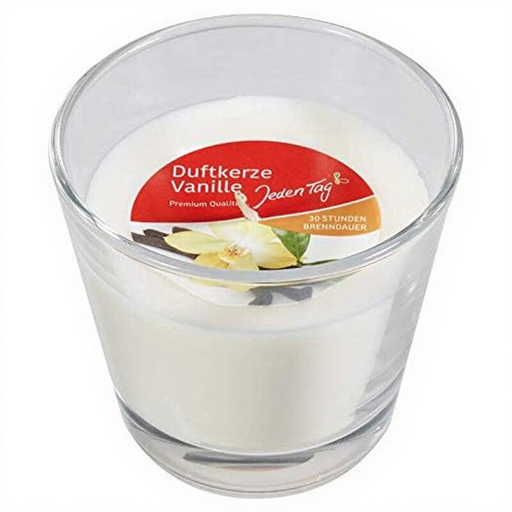
Why this product suits this profile: The cylindrical glass and classic vanilla fragrance make this a straightforward room fragrance candle for anyone looking to add a touch of scent to their living space or seasonal decorations.
The product description specifically mentions the glass container and vanilla fragrance, rather than making vague claims about how the fragrance will affect a room.
Reusable cylindrical glass and a clearly described vanilla fragrance profile.
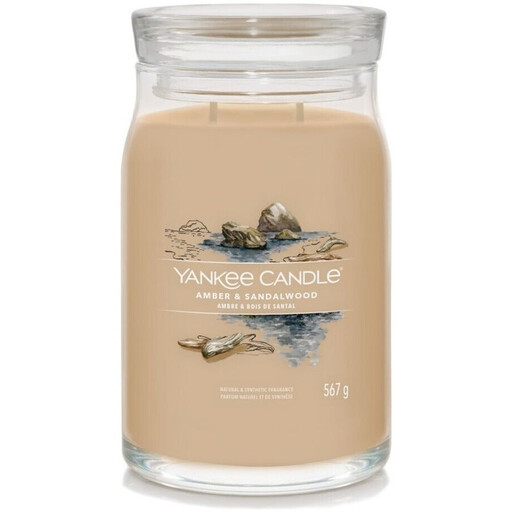
Why this product suits this profile: Notes of cardamom, driftwood, amber and sandalwood, paired with a cream-coloured glass container, will appeal to buyers who like to choose their fragrance and home décor together.
The product information specifies the type of wax, amount, number of wicks and a burn time of 60 to 90 hours.
567 g of wax, a soy wax blend, two wicks and a glass container with a lid, according to the product description.
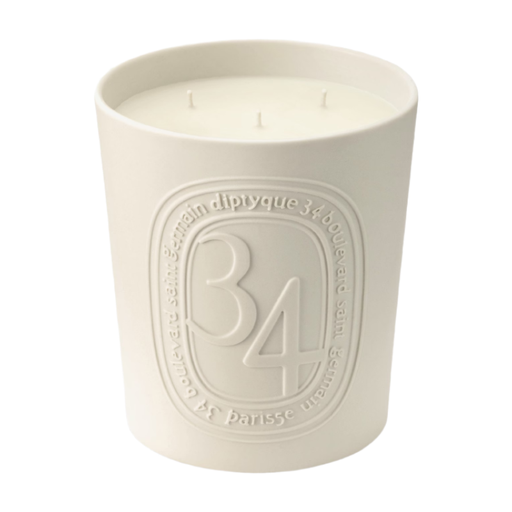
Why this product suits this profile: This model is aimed at buyers looking for a larger luxury scented candle with a distinctive container and a long burn time for their living space or bathroom.
The product description specifies an amount of 600 g and a burn time of approximately 90 hours.
600 g of wax, a white porcelain container and three wicks, according to the product information.
Whatever the brand or price, follow these basic guidelines:
We’ve put together a complete, regularly updated list of products that meet these strict selection criteria and fully comply with the safety regulations in force in the EU.
As a general guide, burn it for no more than four hours at a time, unless the product instructions say otherwise. Check the wick each time you light the candle and trim it if necessary.
Tunnelling often happens when the wax doesn’t melt all the way to the edge of the top layer the first time you burn the candle. Burning it for too short a time can also cause this. Let the wax melt evenly to the edge, following the manufacturer’s instructions and without exceeding the maximum burn time.
The running cost depends mainly on the purchase price, amount of wax and burn time. For a straightforward comparison, divide the price by the stated total burn time. This is only an estimate, as room temperature, draughts and wick care can all affect how quickly the candle burns.