What to look for when buying
First, consider whether window light with a reflector will be enough, or whether you need more control over the direction and brightness for repeat shots.
Window light with a white reflector
Best if: the school cone is stationary and the shadow side just needs a little extra light.
Keep in mind: the light will vary depending on the window, weather and time of day.
Larger bi-colour panel
Best if: you regularly photograph the whole school cone or want to lift the shadows selectively. Rollei and NEEWER describe dimmable panels with adjustable colour temperature.
Keep in mind: you’ll need enough room to position it safely at your craft table. Depending on the version, you may also need a stand and batteries.
Compact mini panel
Best if: you want to brighten ribbons, lettering or other details from close range.
Keep in mind: there’s no evidence that its compact light source will evenly illuminate the whole school cone.
| What you need |
What to check before buying |
Who it matters most to |
| Brightening shadows |
Light source size, dimming and adjustability; if you already have window light, try a white reflector too. |
When I photograph the whole school cone, I want to brighten the shadow side without making its shape look flat. Around 40 % of consumers put shadow control first. |
| Reproducing colours |
Check whether the colour temperature is adjustable and look at the manufacturer’s colour-rendering information for the specific model. Take a test shot in your own window light. |
If the colours of the paper and decorations matter to me, I check them in a test shot and adjust the white balance if needed. Around 30 % of consumers prioritise colour accuracy. |
| Setting it up on a table |
Check the space available, mounting options, cable routing and power supply. If it runs on batteries, check what’s included. |
If my craft table is short on space, I need a light that I can position securely and power easily. Around 20 % of consumers particularly value a simple set-up. |
| Planning for accessories |
Check whether the chosen version includes a stand, power adapter and any batteries you’ll need. |
If I want to know what accessories I’ll need before buying, I compare the exact package version with what I already own. Around 10 % of consumers put accessory costs first. |
Photography lights at Joybuy
The Joybuy products shown here are compact photography lights for details and smaller set-ups. There’s no evidence that they’re larger panels suitable for evenly lighting a whole school cone.
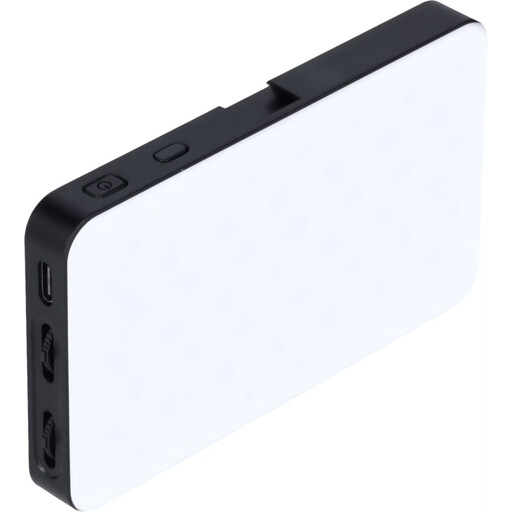 No image available
Rollei LUX Compact RGB LED Light, 8 W, Bi-Color
This compact light is better suited to details and small, portable set-ups than to lighting the whole school cone over a large area.
Features listed in the product name: 8 W, RGB, Bi-Color, 360 colours and app control.
View at Joybuy
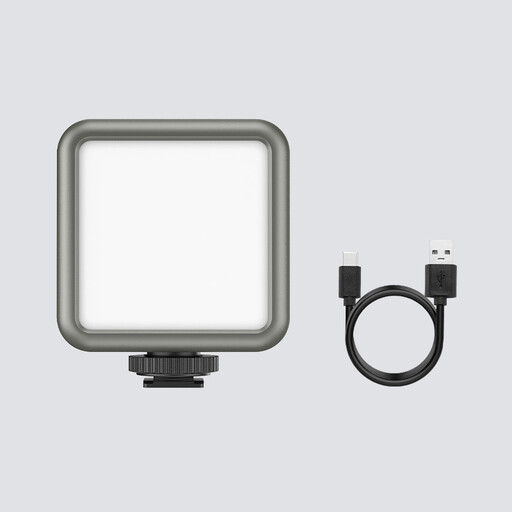 No image available
Ulanzi VL49 RGB LED video light
According to Ulanzi, the VL49 RGB is better suited to detail shots; the manufacturer’s specifications don’t prove that it will light the whole school cone evenly.
Before placing an order, check that the model name, version and technical details on the product page match.
Purchase link unavailable
Frequently asked questions
Do I need to buy an LED panel to photograph a school cone by a window?
Not necessarily. If the school cone is stationary, try the window light first, along with a white card on the shadow side. A dimmable panel is a better option if that doesn’t provide enough fill light, or if you want to take several photos as the daylight changes.
Where should I position the panel?
Aim it at the darker side as a fill light, then check the result in a test shot. Make sure the mount, stand and cables are secure beside the tall school cone. With the NEEWER NL660, whether a stand is included depends on the package version.
How can I avoid a colour cast on white paper?
Take a test shot in the window light you’ll actually be using, adjust the bi-colour setting if needed, and check the camera’s white balance. Adobe explains that white balance affects every colour in a photo, not just white.
What extra costs and rights should I consider when buying online?
Check whether a stand, power adapter and, where needed, batteries are included. The Verbraucherzentrale explains that consumers generally have a right to cancel online purchases, usually within 14 days of entering into the contract or receiving the goods; exceptions may apply.
What do CE marking and separate disposal mean for a photography light?
According to information from Your Europe, CE marking is only required for products covered by the relevant harmonised EU rules. Where it is required, the specific device must meet the applicable requirements; the mark isn’t an independent quality seal. The German Environment Agency advises that electrical and electronic waste should be collected separately.


