Once allergens have been checked, you can compare unsalted peanuts and natural almonds by their protein content: the EDEKA24 products featured here contain 26 g and 24.7 g of protein per 100 g respectively. Salt, sugar, ingredients and a suitable portion size also matter for a school break. Nuts can complement a meal, but they don’t replace one.
Who is this selection for?
Sporty, active pupils
If you want to take nuts to school and enjoy them after training, you can compare the protein listed per 100 g. This doesn’t mean that you automatically need more protein: the German Nutrition Society (DGE) takes factors such as age and body weight into account when setting its reference values for teenagers.
Families who need to check for allergens
If you’re choosing between peanuts, almonds or other tree nuts, check the ingredients list and any precautionary allergen information on the specific pack. The German Food Federation explains that allergenic ingredients must be labelled; precautionary information refers to possible unintended traces.
Pupils looking for a simple break-time snack
If you want to pack a portion of nuts without much preparation, check the pack size, storage instructions and ingredients. Plain nuts, seasoned varieties and nut-and-fruit mixes differ in their ingredients and nutritional information.
What should you look for when buying?
When choosing nuts for a school lunch break, first make sure the ingredients and allergen information suit your needs. Then compare protein, salt and sugar using the same serving basis, and choose a suitable pack size.
| What to check | What to look for when buying | Who it matters most to |
|---|
| Protein |
Compare the protein listed in g per 100 g on packs of the same product type and for the same serving basis. |
If comparing protein matters to me, I want to understand how the snack fits in without treating it as a complete meal. Around 25% of consumers put this first. |
| Allergens |
Check the ingredients list for peanuts and tree nuts, as well as any precautionary allergen information. |
If I have a relevant allergy, I need to know which nuts may be present before choosing. Around 31% of consumers prioritise this check. |
| Packing for school |
Check that the pack size and storage instructions suit the portion you plan to take for your break. |
For the school day, I want to be able to pack a portion that suits my lunch break. This is the most important selection criterion for around 19% of consumers. |
| Salt and sugar |
Compare salt and sugar per 100 g, along with the ingredients in a seasoned or fruit-based mix. |
If I’m choosing between plain nuts and a nut-and-fruit mix, I’m particularly interested in what’s in the mix. Around 25% of consumers focus on this first. |
Common mistakes when choosing
-
Assuming the protein content makes it a complete post-sport meal
The figure per 100 g describes the product, not your overall diet or individual needs. The DGE sets protein reference values for teenagers according to age.
Use protein figures to compare nuts, and remember to consider the other foods in a school meal too.
-
Only reading the front of the pack
Peanuts and tree nuts can be important to people with a relevant allergy. A voluntary precautionary allergen statement neither confirms that traces are present nor guarantees that they are absent.
Before choosing, check the allergens highlighted in the ingredients list and the wording of any precautionary statements.
-
Comparing trail mix with plain nuts
Seeberger trail mix, listed by REWE, contains 57% nut kernels and 43% dried raisins. The fruit content is part of what you need to consider when comparing products.
If protein is your main consideration, start by comparing the nutritional information for plain nuts. Choose trail mix if you’d also like the fruit component.
-
Assuming the nutritional information is the same for every product from a brand
ALDI SÜD notes that its Feinste Nuss-Variation may come from different suppliers.
So check the ingredients and nutritional information on the specific variety you’re buying.
Brands to help guide your choice
Seeberger
The brand offers both individual types of nuts and nut-and-fruit mixes. For school breaks, it’s worth comparing these product types separately.
- Seeberger trail mix, listed by REWE, contains 57% nut kernels and 43% dried raisins.
- Its ingredients aren’t the same as those of a pack of plain almonds.
EDEKA / Gut & Günstig / EDEKA Herzstücke
The products featured here let you compare natural almonds with roasted, unsalted peanuts.
- EDEKA24 lists 26 g of protein per 100 g for the peanuts and 24.7 g for the almonds.
- These figures apply to the specific products; check the ingredients and allergen information on the pack you’re buying.
FARMER NATURALS / ALDI SÜD
Feinste Nuss-Variation is an option if you’d like several types of nuts in one mix.
- ALDI SÜD lists 20 g of protein per 100 g for this product.
- As it may come from different suppliers, the information on the pack you buy is the one to follow.
Alesto / Lidl
Lidl’s Alesto range includes plain nuts, dried fruit and seasoned snacks.
- The range offers a variety of ingredients and nutritional values to compare.
- A nutritional or ingredients claim for the brand as a whole wouldn’t be meaningful; it’s the individual product that matters.
Nut products at Joybuy
This selection includes almonds, cashews and a nut mix, which you can compare as possible options for a school break. Check the information on each pack to make sure it suits the portion you have in mind.
 No image available
Seeberger whole natural almonds Extra, 500 g
An option if you’d like to portion out natural almonds for several school breaks.
Compare protein and salt per 100 g. If you have an allergy, check the labelling on the specific pack.
View at Joybuy
 No image available
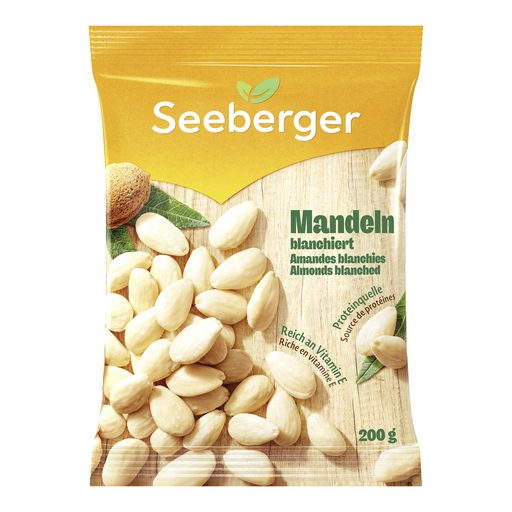
Seeberger whole blanched almonds, 200 g
When choosing blanched almonds, you can compare their protein and salt content with other almonds using the information on the pack.
Check the usage instructions if you plan to take the almonds to school without any further preparation. If you have an allergy, check the labelling on the specific pack too.
View at Joybuy
 No image available
Seeberger roasted unsalted cashew kernels, 150 g
An alternative to almonds if you’d like roasted cashews with no added salt.
For comparing protein, use the figure per 100 g. Cashews are tree nuts, so if you have an allergy, check the ingredients and any precautionary allergen information on the pack.
View at Joybuy
 No image available
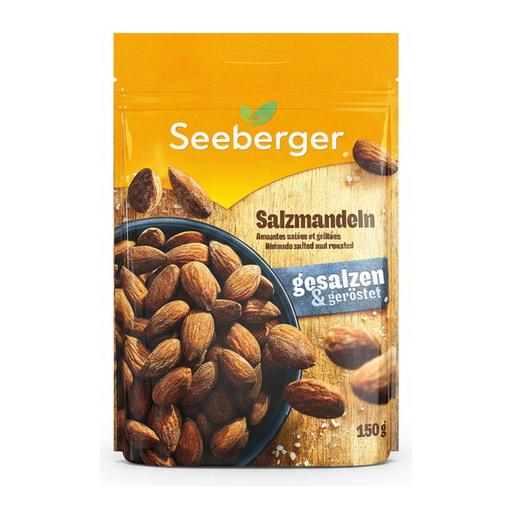
Seeberger roasted salted almonds, 150 g
For anyone who’d like salted almonds and wants to compare their salt content carefully with unsalted products.
Check the salt content per 100 g and, if you have an allergy, the labelling on the specific pack.
View at Joybuy
 No image available
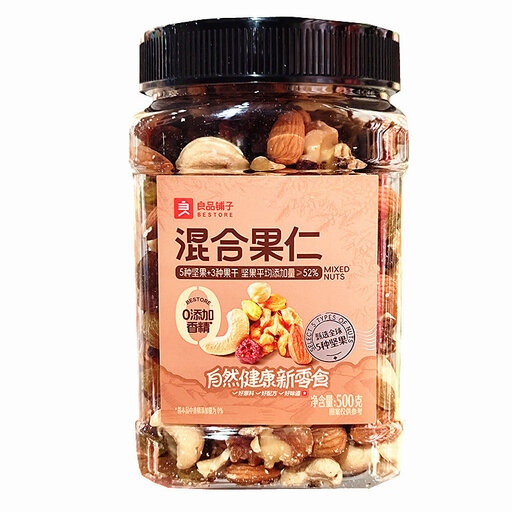
Bestore mixed nuts, 500 g
An option if you’d prefer a mix rather than a single type of nut for a school break and plan to portion it out yourself.
Check the ingredients and salt content, and if you have an allergy, check all the types of nuts listed on the pack.
View at Joybuy
Frequently asked questions
What should I look for in the allergen information on packaged nuts?
Check the ingredients list for highlighted peanuts and tree nuts, as well as any precautionary allergen information. The German Food Federation explains that allergenic ingredients must be labelled. A precautionary statement, by contrast, refers to possible unintended traces and doesn’t mean they are definitely present.
Are nuts enough for a meal after school sport?
Nuts on their own shouldn’t be considered a complete meal or a one-size-fits-all solution for eating after sport. The DGE sets protein reference values for teenagers according to age and body weight; a nut snack is just one part of what you eat throughout the day.
Are salted nuts always unsuitable for a school break?
No. It depends on the specific recipe and the other factors you’re considering. Compare the salt per 100 g: EDEKA24 lists 0.01 g for the unsalted peanuts featured here, while ALDI SÜD lists 1 g for a nut mix featured here.
How should I store nuts for school?
Follow the storage instructions on the pack you’ve bought. The EDEKA nut products featured here are to be stored in a dry place and protected from heat. When portioning them out, check the packaging and best-before date too.


