What matters to different households?

Smaller households planning packed lunches

If you only need a few bagels a week, check the pack size, instructions for storing an opened pack and whether the product is suitable for freezing. This will help you work out whether the pack matches your needs.

Families checking for allergens

If wheat or other relevant ingredients need to be avoided, check the labelling on the specific pack. Even a bagel labelled gluten-free may contain milk, sesame or lupin, for example.

Households interested in multigrain bagels

If you’re looking for a heartier option, compare the types of grain and seeds, as well as the stated fibre content. The ingredients list matters just as much as the nutritional information.

What should you look for when buying?

First, work out how many bagels you actually need and which ingredients are suitable. Your choice of topping and how you’ll transport it will determine how to prepare it. If you’re considering multigrain bagels, check the nutritional information for the specific variety.

What to consider What to check when buying Who it matters to
Pack size and storage Check the number of bagels and the instructions for storing them after opening; don’t assume they’re suitable for freezing. If I only need a few bagels a week, I don’t want to leave an opened pack unused. Around 33% of consumers prioritise a pack size that suits their needs.
Ingredients and allergens Check the ingredients list and any warnings about traces for your chosen variety, including gluten-free products. If I need to avoid certain ingredients, the labelling matters more to me than the variety or pack size. Around 25% of consumers put checking for allergens first.
Toppings and transport If you’re using perishable toppings, work out how to keep them sufficiently chilled until lunchtime. For the school journey, I want to know whether the filled bagel can be stored properly until lunchtime. Around 25% of consumers prioritise transport.
Multigrain and nutritional information Compare the grains and seeds in the ingredients list, along with fibre, sugar and salt per 100 g. If I’m looking for a heartier option, I want to assess the nutritional information for the specific bagel rather than relying on its name. Around 17% of consumers prioritise this when choosing.

Common buying mistakes

  • Confusing ‘gluten-free’ with ‘free from all allergens’

    A gluten-free BenFit bagel listed by REWE contains milk protein, sesame and sweet lupin flour, among other ingredients. The term ‘gluten-free’ doesn’t answer questions about other allergens.

    Check the ingredients and any warnings about traces on the specific pack against the ingredients that need to be avoided.

  • Buying a pack of four without planning when to use it

    REWE advises that opened packs of ja! sesame bagels should be used within two days. That may be too short for a small household if you’re only planning one packed lunch.

    Check the instructions for after opening and plan how many you’ll need. If you’d like to freeze the bagels, check the guidance for that specific product.

  • Packing perishable toppings without a plan to keep them chilled

    When ingredients need to be kept chilled, it’s not just the bagel you need to think about. The Federal Institute for Risk Assessment warns that inadequate temperatures during transport and storage can allow harmful germs to multiply.

    Plan for the time until lunchtime and make sure you have a suitable way to keep your chosen topping chilled.

    For a longer journey or warm weather, you may need an ice pack or cool bag.

  • Judging a bagel by the word ‘multigrain’ rather than the pack information

    The name alone doesn’t tell you the fibre content or all the grains and seeds it contains. ALDI SÜD also notes that its grain bagels may come from different suppliers.

    Compare the ingredients, allergens and nutritional information on the pack of the variety you’re actually buying.

Brands to consider

REWE

REWE provides product information for packaged sesame and multigrain bagels, as well as a gluten-free variety.

  • The product pages list ingredients and nutritional information; the ja! sesame bagel page also includes advice on how soon to use the product after opening.
  • For ingredients and storage, check the labelling on the pack you buy rather than relying on the product image alone.

EDEKA / GUT&GÜNSTIG

EDEKA describes GUT&GÜNSTIG sesame bagels as a double pack containing four bagels.

  • EDEKA lists the ingredients and allergens, and suggests toasting or baking as ways to prepare the bagels.
  • EDEKA notes that the product may not be available in every store, and that information on the packaging may differ from what’s shown online.

ALDI SÜD / GOLDÄHREN

ALDI SÜD describes GOLDÄHREN bagels in Classic and Grain varieties, each in a 340 g pack.

  • According to ALDI SÜD, both varieties are suitable for freezing; the Grain variety contains 3.9 g of fibre per 100 g.
  • As the bagels may come from different suppliers, check the nutritional information on the specific pack.

Schär

Schär offers gluten-free loaves and rolls as possible alternatives if a bagel containing gluten isn’t suitable.

  • The German range includes several types of bread and rolls.
  • Bread and rolls aren’t the same as a ready-made bagel. For a packed lunch, check the ingredients and format of the product you choose.

Bagel snack at Joybuy

This bagel snack may be a good choice for portion planning because the total pack size is small. Before choosing it for a school lunchbox, check whether it can be sliced and filled like a traditional bagel.
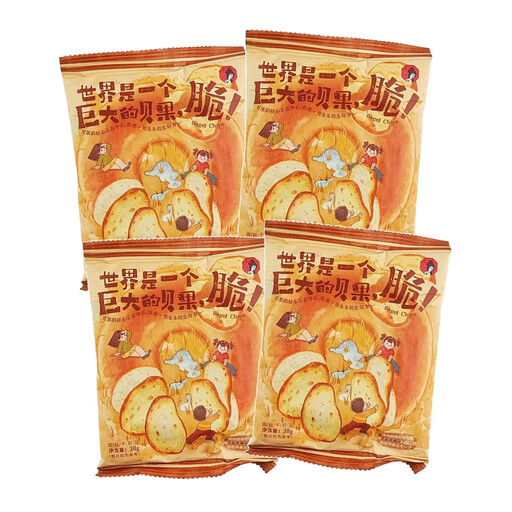
Modern China Tea Shop World is a huge bagel, pack of four portions

Modern China Tea Shop World is a huge bagel, 4 × 30 g

The 120 g pack may suit smaller portions; the product is described as a crunchy bagel snack.

The ingredients information lists wheat flour, soya and milk powder. Check the pack for any ingredients relevant to you, and to see whether the pieces are suitable for the toppings you have in mind.

View at Joybuy

Frequently asked questions

Do gluten-containing ingredients have to be labelled on packaged bagels?

Yes. In Germany, the relevant allergens listed in Annex II of the Food Information Regulation must be identified in the ingredients list on prepacked foods. The Federal Ministry of Agriculture, Food and Regional Identity explains this requirement for the allergens and substances that cause intolerances covered by the regulation. When choosing a bagel, also check for other ingredients that may be relevant to you, such as sesame, milk or soya.

Is a gluten-free bagel also free from other allergens?

No. The label ‘gluten-free’ doesn’t tell you whether other allergens are present. The gluten-free BenFit bagel described by REWE contains milk protein, sesame and sweet lupin flour; check the ingredients and any warnings about traces on the specific pack when choosing a product.

How should I plan to use an opened pack of bagels for several packed lunches?

Follow the instructions on the specific pack. For ja! sesame bagels, REWE advises using them within two days of opening. If you only need a few at a time, check whether the product is suitable for freezing. The consumer advice centre describes freezing bread and rolls in portions as one option.

What should I bear in mind when packing a bagel with perishable toppings for school?

Perishable toppings need to be kept sufficiently chilled until they’re eaten. The Federal Institute for Risk Assessment warns of risks when food is kept at inadequate temperatures during transport and storage. So take the school journey, the time until lunchtime and a suitable way of keeping the food chilled into account.