Who is this choice important for?

Parents who pack a lunchbox every day

You want to prepare portions in the morning without spending lots of time slicing bread, and choose a loaf that fits in the lunchbox. The Federal Centre for Nutrition advises taking your child’s preferences into account when making sandwiches for school.

Families looking to try wholemeal

As well as choosing the type of bread you want, it’s important to find one your child likes the taste and texture of. Smaller portions make it easier to try a variety before buying more.

Households that need to check allergens

You’ll need the information for the specific loaf or bread roll. You can’t reliably identify cereals containing gluten or other relevant allergens from the name or colour alone.

What should you look for when buying?

Wholemeal sandwich bread or toast

A good choice if: you want wholemeal bread for the lunchbox and your child enjoys the variety you choose.

Things to consider: Seeded varieties and large packs should suit your family’s preferences and how much bread you get through.

Wheat sandwich bread or toast

A good choice if: your child prefers this type of bread and pre-sliced pieces make preparation easier.

Things to consider: According to the Verbraucherzentrale, wheat-rich bread goes stale faster than bread with a higher proportion of rye, wholemeal flour or cracked grains.

Bread rolls or toast rolls

A good choice if: you prefer an individual portion that fits easily in the lunchbox.

Things to consider: Bread rolls aren’t medium-fine slices of bread, and may need to be cut open before you add a filling.

What to considerWhat to checkWho it matters to
Wholemeal Check the product name and ingredients list, and start with a portion size that suits you. If you want to include wholemeal bread in the lunchbox, your child needs to enjoy the variety you choose. Around 33 % of consumers would consider wholemeal their most important buying priority.
Ease of use and acceptance Check that the slice size, crust and amount of seeds suit the lunchbox and your child’s preferences. If you’re short on time in the morning, you’ll want bread that’s easy to fill and a portion you know will be eaten. Around 27 % of consumers would put this first when buying.
Pack size and freshness Compare the net weight with how much you’ll use during the school week, and freeze any portions you won’t need in time. If you regularly have slices left over, it’s important to choose a quantity that matches how much you get through. Around 20 % of consumers would prioritise freshness and avoiding waste.
Gluten and other allergens Read the latest ingredients and allergen information on the pack or ask at the bakery counter. If you need to consider specific allergens when choosing, the information for the product itself takes priority over the name of the bread. Around 20 % of consumers would consider these checks their most important buying priority.

Common buying mistakes

  • Choosing wholemeal is all that matters for a lunchbox

    Even if you want wholemeal bread, it’ll only work in everyday life if your child likes the taste and texture and is happy with the portion size. The Federal Centre for Nutrition recommends taking your child’s preferences into account.

    Try a small amount and ask your child after school whether the bread and portion worked for them.

  • A large pack will always last the whole week

    If you only need a few slices, don’t choose a pack size without considering how much you’ll actually use. The Verbraucherzentrale points out that different types of bread go stale at different rates.

    Compare the net weight with what you’ll need for the week, and freeze any portions you won’t use in time.

    Otherwise, slices may dry out or go off before you get a chance to use them.

  • Judging gluten content by the name or colour

    Multigrain bread may contain several cereals that contain gluten, and a dark appearance is no substitute for allergen information.

    Check the latest information on the pack every time you buy, or ask about allergens at the bakery counter if you’re buying loose bread.

  • Assuming ‘medium-fine sliced’ means a set slice thickness

    For a lunchbox, the actual slice matters more than an unclear description of how it’s cut. Large slices may make for a bigger portion than you expect.

    Check the slice size and cut on the specific product, and see if you can divide the portion if needed.

Brands to help you choose

REWE

REWE has a dedicated category for toast and sandwich bread, including different types of bread and toast rolls.

  • Useful if you want to compare different product types and pack sizes in one shop.
  • Check what’s available at your chosen store before buying.

EDEKA / GUT&GÜNSTIG

EDEKA describes a 375-g multigrain sandwich loaf made with natural sourdough and seeds, suitable for sandwiches and toasting.

  • The product information lets you check the ingredients and declared allergens before choosing.
  • EDEKA notes that this product may not be available in every store. Always check the information on the specific pack.

ALDI SÜD / GOLDÄHREN

ALDI SÜD lists a 500-g sliced wholemeal toast and a 750-g wholemeal sandwich toast with large slices under the GOLDÄHREN brand.

  • The two pack sizes give you a useful basis for comparing with how much your household gets through.
  • This information applies to ALDI SÜD and not necessarily to ALDI Nord. ALDI SÜD says suppliers and nutritional information may vary for the 750-g product, so check the pack in store.

Bread and toast at Joybuy

This selection includes packaged bread and toast that could work for filled portions in a school lunchbox. Before buying, check the actual slice size, pack quantity and product information against what you need.

Mestemacher Classic Wholemeal Protein Bread, 250 g

Mestemacher Classic Wholemeal Protein Bread, 250 g

The 250-g pack could be a good option if you’re looking for a smaller quantity of wholemeal bread for filled lunchbox portions. Check the slice size and the ingredients and allergen information on the pack.

View at Joybuy

Mestemacher Traditional Westphalian Pumpernickel Bread, 500 g

Mestemacher Traditional Westphalian Pumpernickel Bread, 500 g

If you’re making pumpernickel sandwiches for school, first check that your child likes the taste and that the slice size fits the lunchbox. The pack contains 500 g; check the allergen information.

View at Joybuy

Alnatura Organic Spelt and Green Spelt Bread, 500 g

Alnatura Organic Spelt and Green Spelt Bread, 500 g

The 500-g pack could work for filled sandwiches if the quantity suits how much you use. The ingredient and allergen information for this product does not fully match across sources, so check the label on the pack itself, especially if you need to consider allergens when choosing.

View at Joybuy
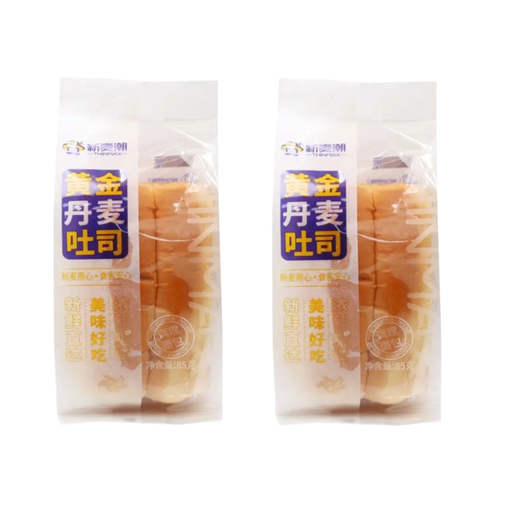
Thinmax Golden Danish Toast, 2 × 85 g

Thinmax Golden Danish Toast, 2 × 85 g

The pack is split into two 85-g portions, which could be handy if you only need a smaller quantity of toast. For a lunchbox, check the slice size, taste, ingredients and allergen information.

View at Joybuy

Frequently asked questions

Does gluten have to be declared in bread and bread rolls?

In Germany, cereals containing gluten that are used as ingredients must be identified as part of the allergen information. The European Commission explains that, under the EU Food Information Regulation, allergen information must also be available for non-prepacked foods. Check the latest information on packaged bread, and ask at the bakery counter about loose items.

Should school lunch sandwiches be made with wholemeal bread?

Wholemeal bread or rolls can be a good base for a lunchbox, as the Federal Centre for Nutrition and kindergesundheit-info.de explain. But when choosing a specific product, it’s just as important that your child likes it and eats the portion you pack.

How should I store opened bread during the school week?

The Verbraucherzentrale recommends storing bread at room temperature, ideally in a bread bin or bread pot. You can freeze portions you won’t need soon. If bread has mould on it, throw the whole loaf away.

Can I prepare the lunchbox the night before?

Yes. The Federal Centre for Nutrition suggests preparing it the night before and keeping it in the fridge. Also follow the storage instructions for the foods you use, especially the fillings.