Parents who want to decide the portion in advance
You’d like to put a small treat in the lunchbox without sending in the whole pack. A single bar or a piece broken off a block at home makes it easy to keep track of the portion.


You can include a small, pre-determined amount of chocolate as a treat in your child’s lunchbox, but it shouldn’t replace their packed lunch. The key is choosing a portion that fits the lunchbox and checking the ingredients and nutritional information for the specific variety – especially if allergies or intolerances are a concern.
Whether a single bar, a piece broken off a block or a selection is best depends mainly on what the chocolate is for and who will be eating it.
You’d like to put a small treat in the lunchbox without sending in the whole pack. A single bar or a piece broken off a block at home makes it easy to keep track of the portion.
For these families, it’s important to check the current labelling for each variety. The ingredients, highlighted allergens and any ‘may contain’ information must meet your individual requirements; a brand name or product category alone isn’t enough.
A selection of varieties or individually wrapped pieces can be handy for an occasion. Before sharing, though, check the ingredients of every variety in the pack and the rules at your child’s school or in their class.
First decide how much chocolate you actually want to put in the lunchbox. Then compare the nutritional information and ingredients for the specific variety. A sharing pack also calls for different considerations from a single treat for break time.
| What to consider | What to check before buying | Who should pay particular attention |
|---|---|---|
| Portion size | Check the weight of each bar or piece and decide on the amount before packing. If needed, break off a piece of a block at home. | If I only want to include a small treat, I need a clearly defined portion rather than the whole pack. Portion size is likely to be the top buying priority for around 36% of consumers. |
| Nutritional information | Compare sugar and energy per 100 g and for the portion you’ve chosen. If the pack says ‘no added sugar’, check the ingredients too. | I want to understand how the chocolate fits in alongside the rest of the packed lunch, rather than judging by pack size alone. Nutritional information is likely to be the main consideration for around 29% of consumers. |
| Allergens and ingredients | For every new pack, check the ingredients list, highlighted allergens and any ‘may contain’ information for the specific variety. | If an individual allergy or intolerance needs to be taken into account, the chosen variety must be suitable. This check is likely to come first for around 21% of consumers. |
| Sharing and choice of varieties | Decide whether the pack is for an occasion or for one lunchbox; if it’s a selection, check every variety it contains. | For a class occasion, I want to serve individual pieces or offer several flavours without losing sight of the ingredients. This is likely to be the main buying priority for around 14% of consumers. |
A large pack doesn’t determine how much chocolate goes to school. Different varieties may also have different ingredients, and chocolate isn’t a substitute for a packed lunch.
For everyday school lunches, take out a small amount in advance. Save a selection for a specific occasion and check each variety before sharing.
These terms don’t mean the same thing. For example, Lindt lists the sweetener maltitol as an ingredient in its no-added-sugar milk chocolate block.
Read the ingredients list and compare the nutritional information per 100 g and for the portion you plan to serve, rather than choosing based on the claim on the front of the pack alone.
Blocks and selections can contain different ingredients. This means that, especially where an allergy is concerned, you can’t tell whether a product is suitable from the pack colour or brand name.
Check the labelling on the current pack, including highlighted allergens and any ‘may contain’ information. If you have a diagnosed allergy, follow your individual medical advice.
The brands and ranges below show a variety of pack formats. Whether a particular variety is right for the lunchbox depends on its portion size and labelling, not its brand name.
Ritter Sport offers chocolate blocks and other formats. Its own range information also lists varieties with specific dietary features.
Milka offers a range of chocolate blocks, including Alpine Milk.
Lindt’s LINDOR range includes individually wrapped truffles and a variety of flavours, making them more suited to sharing.
Kinder offers individually wrapped bars, making it easy to see how many you’re packing.
Schogetten offers chocolate divided into individual pieces, in a range of varieties.
Here, REWE is a retailer and own-label supplier, not a single chocolate brand. Its range includes different products, so compare them variety by variety.
This Joybuy selection includes bars and wafer biscuits with a stated weight per piece, a chocolate block you can break into portions, and a box of chocolates. Decide on the lunchbox portion in advance; if there’s an allergy, check the labelling on the specific pack.
 No image available
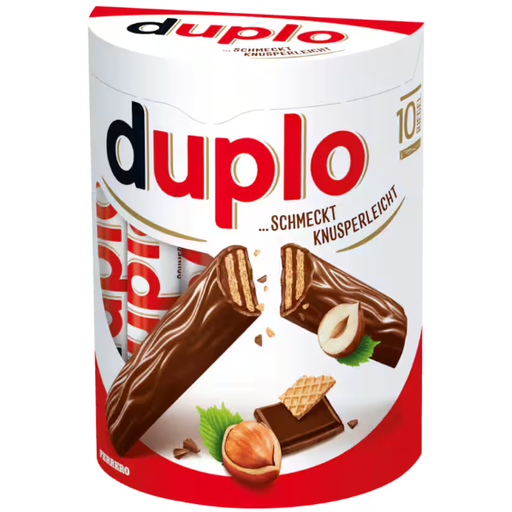
For a pre-determined bar portion in the lunchbox; the pack contains ten bars at 18.2 g each.
If needed, check the current pack for milk, wheat, hazelnuts and soya, and bear in mind the sugar content for the portion you choose.
 No image available
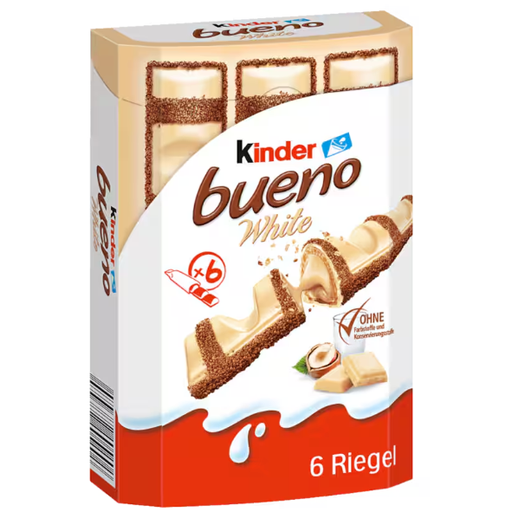
For a bar portion that’s easy to account for before packing; the pack contains six bars at 19.5 g each.
If allergies are a concern, check the current labelling, particularly for milk, soya, wheat and hazelnuts.
 No image available
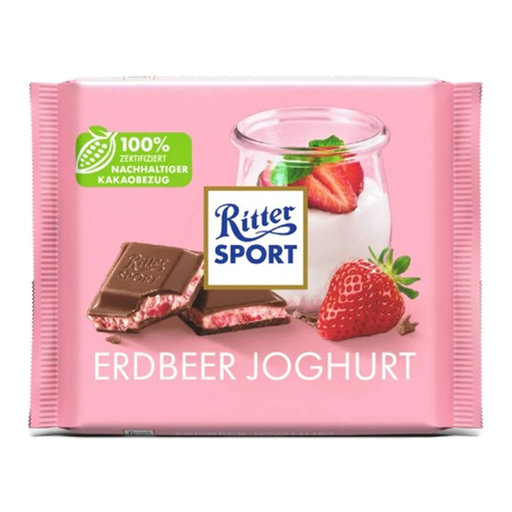
For families who want to break off a portion from a block at home for the lunchbox; the stated block weight is 100 g.
For accurate portion planning, check the weight of the pieces you break off. If allergies are a concern, read the current ingredients list and any ‘may contain’ information.
 No image available
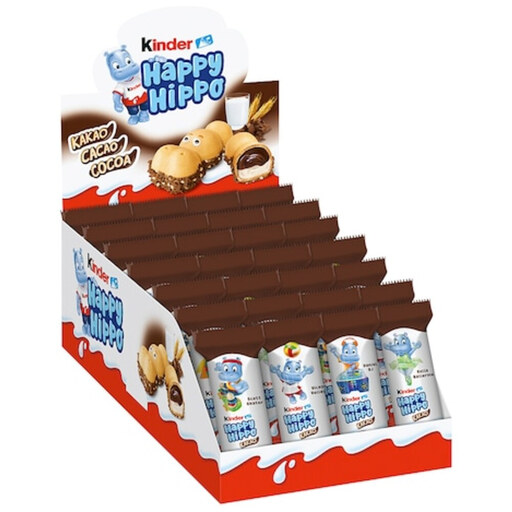
For a treat where the number of pieces is decided in advance; the pack contains 28 pieces at 20.7 g each. This is a cocoa wafer biscuit, not a chocolate block.
If allergies are a concern, check the current labelling, particularly for wheat, milk, hazelnuts, soya, egg and possible traces of almonds.
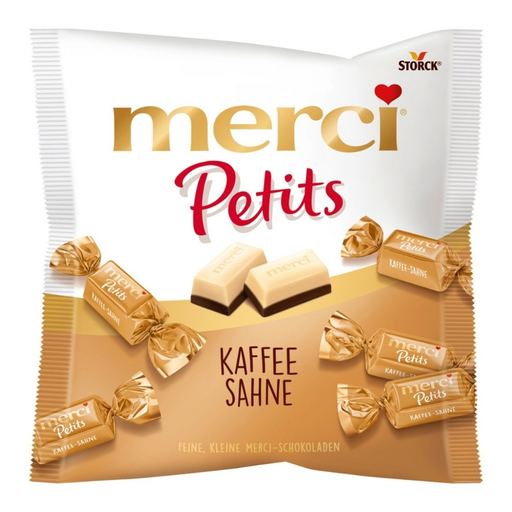 No image available
For taking individual chocolates from a 125 g pack, perhaps for a special occasion. Decide how many to include before packing, and check their weight if you need to plan the portion precisely.
If allergies are a concern, check the current labelling for milk, soya and possible traces of nuts or peanuts.
No, chocolate isn’t a substitute for a packed lunch. The German Nutrition Society describes a suitably balanced packed lunch as part of a child’s food for break time; chocolate can only be included alongside it as a small treat.
Take out a set amount before packing, rather than sending in a whole block or selection pack. Check the weight of the bar or pieces you’ve broken off, and take into account any other treats your child may have that day. The consumer advice centre recommends that children have no more than one portion of sweets or snacks a day.
No, also read the ingredients list and check the highlighted allergens on the current pack. As Lebensmittelklarheit explains in its guidance on labelling, ‘may contain’ warnings relate to possible accidental contamination. If you have a diagnosed allergy, your individual medical advice is also important.
No, each claim refers only to the specific feature named. According to the product information, REWE frei von milk chocolate, which is labelled lactose-free and gluten-free, contains soya and may contain traces of other allergens. So check the current packaging for each variety.