What to look for when buying
First, work out which uniform items are regularly washed together and which programmes suit their care labels. Then check the floor space, opening clearance and consumption figures on a comparable programme basis.
| Priority |
What to check before buying |
Who it matters most to |
| Uniform care and stains |
Check care labels, suitable temperatures and the permitted load for the care or stain-removal programme. |
If I wash uniforms with different care labels, I want to consider the fabric and stain rather than simply washing everything at a high temperature. Around 26% of consumers prioritise fabric-appropriate uniform care. |
| Shared loads |
Work out the typical and largest shared loads; don’t assume the rated capacity is the load limit for every programme. |
If several residents combine suitable items, the drum should suit the loads they actually wash together. Around 21% of consumers say the size of the shared laundry load is the deciding factor. |
| Having uniforms ready in time |
Check the duration, fabric suitability and maximum load for the quick programme you plan to use; factor in drying time too. |
If individual uniform items will soon be needed again, I want to know whether the quick programme is suitable for the load size and fabric. Around 21% of consumers are likely to put having laundry ready in time first. |
| Space, noise and water protection |
Check the appliance dimensions, including door or lid clearance, connection options, spin noise on the EU label and the specific water-protection system. |
In a cramped or noise-sensitive accommodation setting, I want to make sure the appliance and opening clearance will fit, and that the connection requirements are taken into account. Around 16% of consumers consider space and water protection first. |
| Running costs |
Compare kWh per 100 Eco wash cycles and litres per Eco cycle; check delivery and installation services separately. |
With repeated use, I want to compare electricity and water consumption on a like-for-like basis, rather than looking only at the purchase price. Around 16% of consumers put running costs first. |
The European Commission recommends using the EU label and Eco 40–60 programme for comparisons. The figures shown are based on this comparison standard and don’t necessarily reflect consumption for a quick, stain-removal or care programme.
Washing machines on Joybuy
Washing machine options on Joybuy for shared uniform laundry and different load sizes.
 No image available
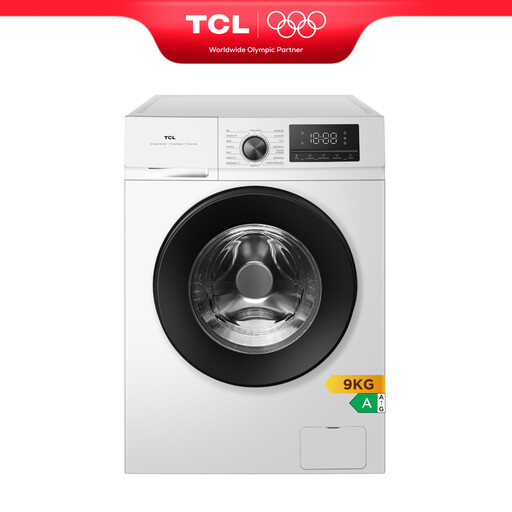
TCL FF0109WA2AMDE washing machine, 9 kg
The stated capacity can help you estimate shared loads; what matters most is what can actually be washed together.
Features listed in the product name: 9 kg, 1400 RPM, BLDC motor, steam wash, 15-minute quick wash, child lock and honeycomb drum.
View on Joybuy
 No image available
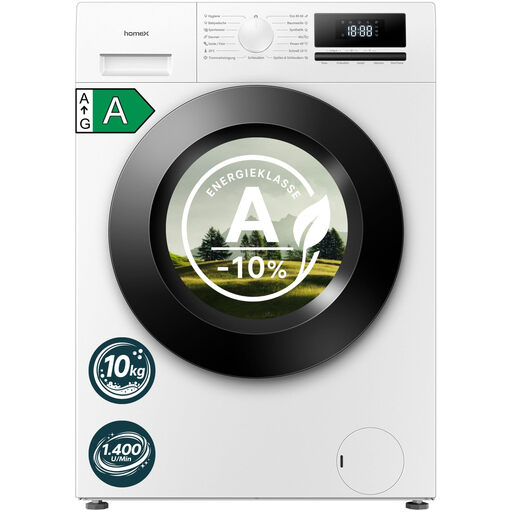
homeX WF1014H1A-W front-loader, 10 kg
The stated capacity gives you an idea of how much laundry you can combine; also check the load limits for the programmes you want to use.
Listed specifications include 10 kg, 1400 U/min, a steam function and AquaStop. Programmes include Cotton, Eco 40–60 and Delicates, as well as a 15-minute wash cycle.
View on Joybuy
 No image available
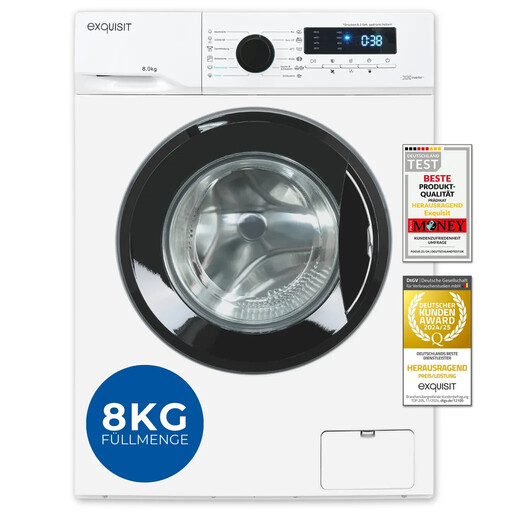
Exquisit WA58014-020A washing machine, 8 kg
The rated capacity helps you estimate the size of shared loads, but you’ll still need to check the load limit for each programme.
Listed specifications include 8 kg, a maximum of 1400 U/min and 13 programmes. These include Cotton, Eco, Pre-wash and a quick programme. The stated dimensions are 84,5 × 59,5 × 52,5 cm.
View on Joybuy
 No image available
LG F4WR5035 front-loader, 13 kg
The stated capacity is a guide to how much larger shared loads might hold; check which loads the individual programmes allow.
Listed specifications include 13 kg and 1.360 U/min. Other features include a steam function, AquaLock, LoadSense and Add Item for supported cycles, as well as Delicates, Quick 14 and Allergy Care programmes.
View on Joybuy
 No image available
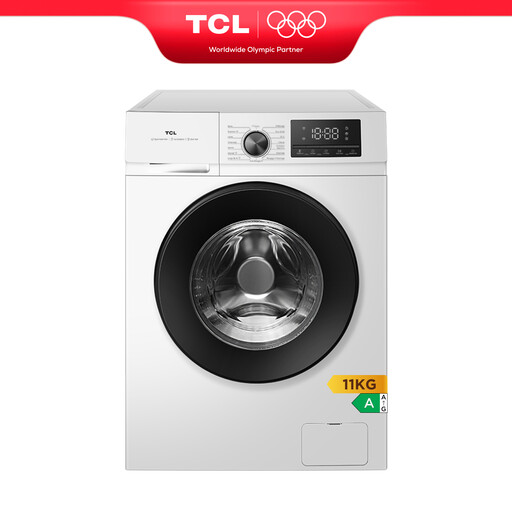
TCL FF2411WA2DE washing machine, 11 kg
The stated capacity can help you plan shared loads; according to the product description, the quick programme is designed for lightly soiled clothes.
Features listed in the product name: 11 kg, BLDC inverter motor, 15-minute Quick Wash and Add Garment. The quick-programme description doesn’t confirm that it’s suitable for more heavily soiled uniforms.
View on Joybuy
Frequently asked questions
What drum capacity do you need for a shared washing machine?
Choose a capacity to suit the loads you’ll actually wash together. A 2019 Verbraucherzentrale checklist suggests 5–6 kg for one to three people and 7–8 kg for more than three people as a guide, not a strict rule. Also check the load limit for the programme you want to use.
Is Eco 40–60 suitable for every school uniform?
No, Eco 40–60 isn’t suitable for every uniform. The European Commission describes the programme as being for normally soiled cotton garments labelled as washable at 40 °C or 60 °C. For other fabrics or heavier soiling, follow the care label and choose a suitable programme.
Can you install a washing machine in rented accommodation?
It depends on the specific rental agreement and installation arrangements. The Verbraucherzentrale recommends checking the proposed location with your landlord and considering the risk of water damage, rather than assuming there’s a blanket permission or general ban.
Does the energy label also need to be visible when buying online?
Yes. For new household washing machines covered by EU energy labelling rules, the label must also be displayed when the product is sold online. Since 1 March 2021, the European Commission has used the A to G scale for this product group.
What happens if the machine develops a fault, and how should you dispose of your old one?
If there’s a fault, distinguish your statutory rights against the seller from any voluntary guarantee. An old appliance must be handed over to an authorised collection point. Before ordering, check whether take-back or collection is offered and what terms apply.


