
Lieferung heute & morgen

Qualitätsgarantie

Willkommens-Angebote freischalten: KOSTENLOSE Lieferung | Bis zu 80 % RABATT | Kostenlose 30-Tage-JoyPlus-Testphase
App herunterladen
A science kit can spark a child's curiosity and make complex topics in science and technology tangible. However, the vast selection of kits can be overwhelming. Many products overpromise and underdeliver, leading to frustration rather than successful learning. As your Joybuy Product Recommendation Officer, I'm here to help you avoid common pitfalls and make an informed choice.
Disappointment is often inevitable when a gift doesn't meet expectations. Watch out for these three common problems to avoid making the wrong purchase:
To find the perfect science kit for kids, you should evaluate three core aspects before making a decision.
The age recommendation on the packaging is just a starting point. The actual demands on the child's abilities are more important.
A child's motivation soars when the theme aligns with their interests. The range spans from the classic chemistry set to modern robotics kits.
Check exactly what's included in the box and how sustainable the play value is.
Here are some recommendations tailored to different interests and age groups.
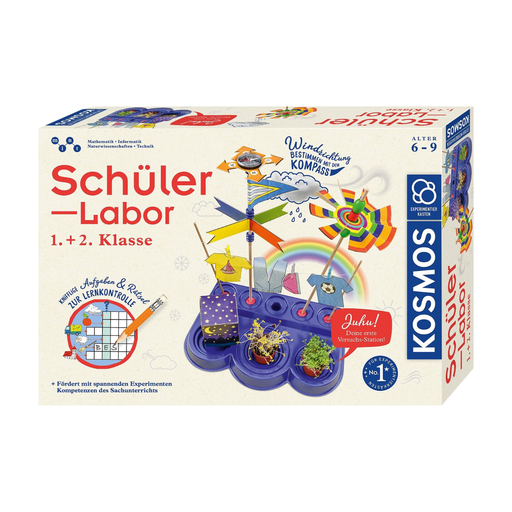
Why this kit is a great fit: It's specifically aligned with the curriculum for the first two years of primary school and offers a broad overview of topics like air, water, and the senses. The experiments are designed to provide quick successes, keeping curiosity high. Ideal as a gift for school children.
The instructions are heavily illustrated and require minimal reading skills. Most experiments can be done with the included materials and a few common household items.
Offers over 50 experiments and promotes a broad, foundational understanding of nature and technology through its thematic diversity.
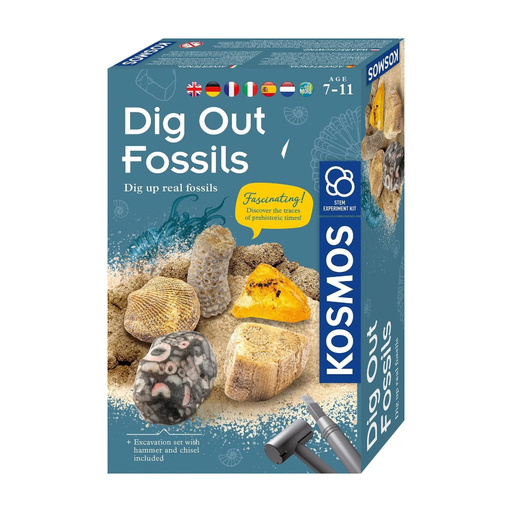
Why this kit is a great fit: For children fascinated by dinosaurs and hidden treasures, this kit offers an authentic experience. Unearthing real fossils with a hammer and chisel is an exciting activity that promotes focus.
Although the main activity is a one-time event, the value lies in the result: the child gets to keep real fossils. The accompanying booklet also provides background information, extending engagement with the topic.
According to the manufacturer, it contains real fossils (ammonite, stony coral, atrypa shell) and amber (copal), which is a huge motivational factor.
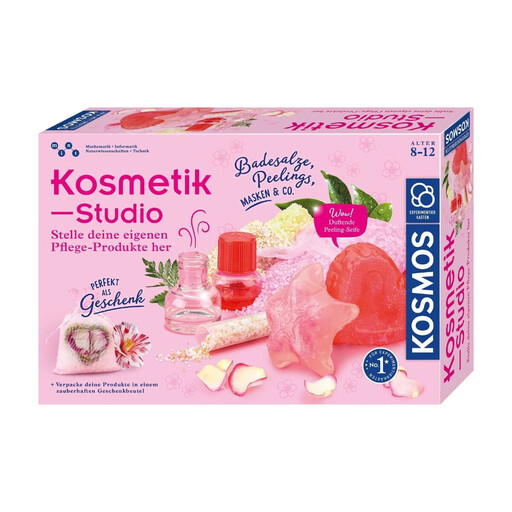
Why this kit is a great fit: This set is a modern take on the classic chemistry set. It combines basic chemistry with a creative and practical outcome: making your own personal care products like bath salts, scrubs, and soaps. This particularly appeals to children who love to mix and create.
The instructions not only explain the steps but also the science behind them in an easy-to-understand way. The homemade products can be used or given as gifts, which extends the play value beyond the experiment itself.
Promotes an understanding of the chemistry in everyday products and includes a gift bag, offering a way to proudly present the results.
We have compiled a comprehensive, up-to-date list of products that fully meet these strict selection criteria and rigorous safety standards.
For many kits, especially from brands like Kosmos, consumables such as chemicals or plaster can be purchased as refill sets. Other kits are intentionally designed to use common household items that are easy to replace. Check the product description for information on refill packs before you buy.
This largely depends on the child's age and the type of kit. For any set involving chemicals, sharp tools, or heat sources, adult supervision is mandatory. The instructions usually provide clear safety warnings about this. For simpler kits designed for younger children, an initial briefing is often sufficient.
Modern chemistry sets sold in the UK and EU are subject to strict safety standards (e.g., EN 71-4). The included chemicals are generally harmless as long as the instructions and safety precautions (like wearing safety goggles) are followed precisely. It is crucial to use the kit only under adult supervision and to keep it out of the reach of small children.