
Lieferung heute & morgen

Qualitätsgarantie

Willkommens-Angebote freischalten: KOSTENLOSE Lieferung | Bis zu 80 % RABATT | Kostenlose 30-Tage-JoyPlus-Testphase
App herunterladen
A science kit is more than just a toy—it's a gateway to the world of science for children and an ideal gift for school-aged kids. But the vast selection can quickly become overwhelming. Many products overpromise and underdeliver, leading to disappointment instead of delight. As your Joybuy Product Recommendation Officer, I'm here to help you cut through the noise and make an informed decision.
Before you choose a kit, you should be aware of three common pitfalls that often only become apparent after unboxing:
To avoid buyer's remorse, evaluate any potential educational toy for kids against the following objective criteria.
A quick look at the back of the box or the online product description is essential. Look for a detailed list of contents. Reputable manufacturers will specify exactly which additional materials (e.g., water, oil, empty jars) are needed from around the house. Also, check if batteries are required and whether they are included. A kit that's ready to use "out of the box" ensures the fun can start immediately.
The age rating is a guideline, but the quality of the instructions is even more critical. For younger children (6–8 years), instructions with large, clear pictures and minimal text are ideal. Older children (9+ years) can handle more detailed text but still benefit from good illustrations. A great manual explains not just the "how" but also the "why," fostering a deeper understanding of scientific principles for kids.
Consider which theme best matches your child's interests. The range is broad, from robotics and biology to chemistry, like with a crystal growing kit. At the same time, you should weigh the replay value.
Based on these criteria, we've curated a selection of products suitable for various age groups and interest profiles.
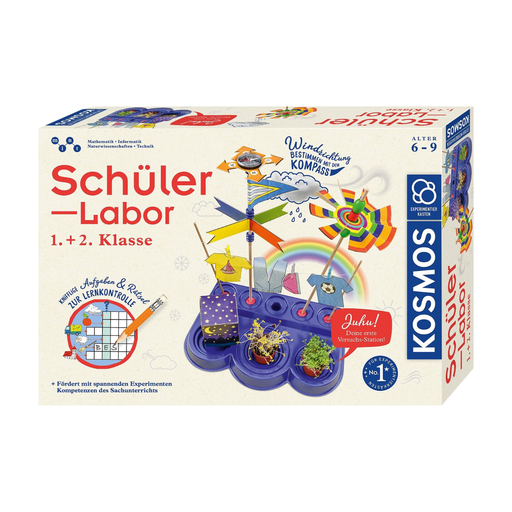
Why This Fits Their Persona: This kit is ideal for beginners as it aligns directly with the curriculum for the first two years of elementary school. It covers various topics like nature and technology, allowing children to explore independently.
The age range is precise (6-9 years), and the illustrated step-by-step guide prevents frustration. Many experiments can be repeated with the included components.
Over 50 experiments that spark curiosity and connect to school subjects. It promotes independent learning through simple instructions and puzzle-like challenges.
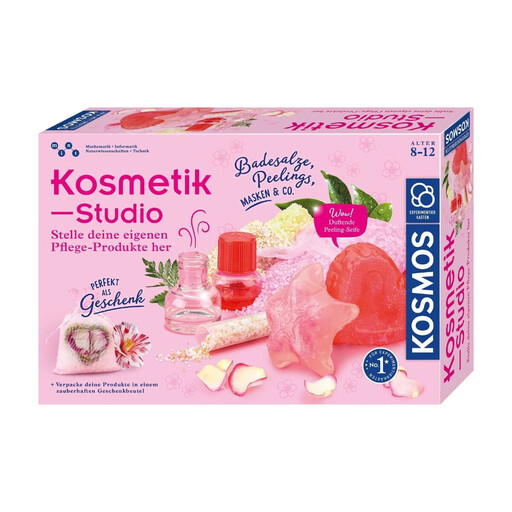
Why This Fits Their Persona: This creative kit for kids combines science with a practical, engaging theme. Children can create their own personal care products like bath salts, scrubs, and soaps, learning basic chemistry in the process.
The kit offers good replay value, as various products can be made. The manual explains the chemistry behind the cosmetics and provides fascinating background information.
Encourages creativity and scientific understanding. The homemade products can be used or packaged in the included gift bag.
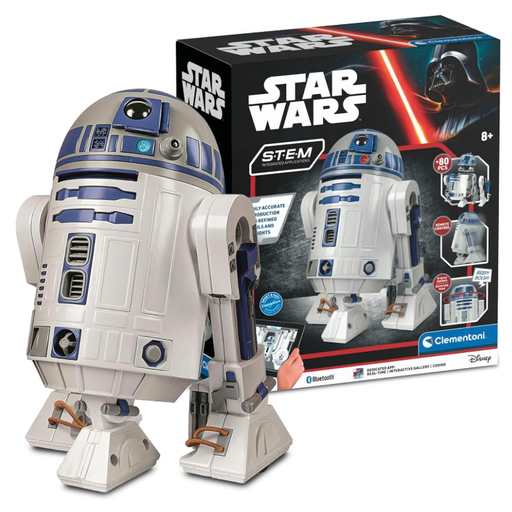
Why This Fits Their Persona: For kids who are passionate about robotics, programming, and Star Wars. This buildable droid is controlled via an app, playfully introducing children to the fundamentals of coding.
This kit has exceptionally high replay value. After assembly, the robot can be controlled and programmed, ensuring long-lasting fun. The app offers three different modes.
Combines building, playing, and learning. The integrated STEM approach teaches the basics of robotics and programming in a motivating way.
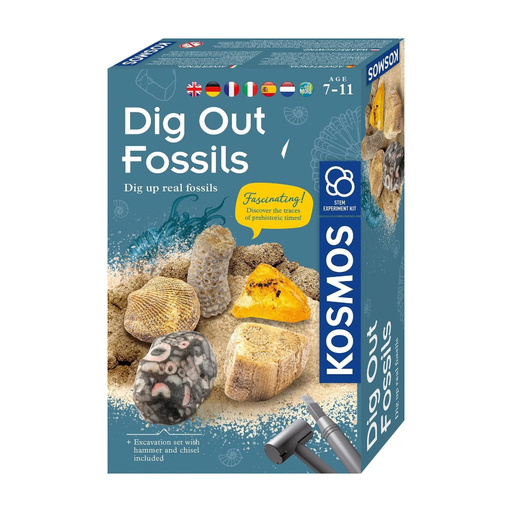
Why This Fits Their Persona: Perfect for kids interested in dinosaurs, fossils, and archaeology. The kit provides a focused, hands-on experience where they excavate real fossils from a plaster block.
This kit is designed as a single-use project, which is clearly communicated. It includes all the necessary tools (hammer, chisel), and the manual provides exciting information about palaeontology.
According to the manufacturer, it contains real fossils (ammonite, stone coral, etc.), which greatly boosts a young explorer's pride. Promotes patience and fine motor skills.
We've compiled a complete, up-to-date list of products that fully meet these strict selection criteria and all relevant safety regulations.
A good science kit is defined by clear, age-appropriate instructions, a comprehensive set of included materials, and an engaging theme. It should spark a child's curiosity, encourage independent experimentation, and ideally, provide background knowledge about the scientific principles involved.
Simple kits are available for children as young as 6, often aligning with the elementary school curriculum. However, the child's individual interest and ability to concentrate are more important than age alone. Pay close attention to the manufacturer's recommendations and, when in doubt, choose a kit at the lower end of the suggested age range to avoid overwhelming them.
Prices vary widely depending on the scope and theme. Simple, single-use kits like an excavation set can often be found for under $20. More extensive robotics or electronics kits can cost significantly more but also offer higher replay value and longer engagement. Instead of focusing solely on price, you should evaluate the overall value based on the contents and potential for reuse.