
Lieferung heute & morgen

Qualitätsgarantie

Willkommens-Angebote freischalten: KOSTENLOSE Lieferung | Bis zu 80 % RABATT | Kostenlose 30-Tage-JoyPlus-Testphase
App herunterladen
A science kit can spark a child's curiosity and open the door to the world of science. However, the selection is vast, and not every set delivers on the promise of its colourful packaging. As a Joybuy Product Recommendation Officer, I'm here to help you navigate the common pitfalls and make an informed decision that leads to sparkling eyes, not frustration.
Many parents know the problem: an expensive kit is unpacked with excitement, only to be abandoned in a corner shortly after. This is often due to three common weaknesses:
To avoid these problems, it's worth examining three core aspects before making a purchase. These will help you identify the right science kit for kids that will provide long-term enjoyment as a STEM toy.
The manufacturer's age recommendation is the most important guide. It refers not only to safety but, more importantly, to the cognitive skills required for the experiments to succeed. A gift for an 8-year-old should deliver simpler, quicker results than a complex chemistry set for a twelve-year-old. Check if the instructions are clearly structured, include plenty of pictures, and explain the scientific principles in a child-friendly way. A good educational science toy doesn't overwhelm; it motivates them to keep going.
From a crystal growing kit and a DIY slime kit to an excavation kit for kids—the thematic variety is huge. Consider what interests the child currently has. Just as important is the question of reusability. Does the set include durable tools like beakers, measuring cylinders, moulds, or pipettes? Do the instructions provide tips on how to conduct further experiments with common household items? Sets from brands like Kosmos or Clementoni often offer a good balance of consumable materials and reusable equipment.
Safety is the top priority. Look for the CE marking, which confirms that the product meets EU safety requirements. Especially for kits containing chemical substances, clear warnings and a precise list of ingredients are essential. A quick look at the contents list on the packaging or in the product description also reveals which materials are included and what you need to provide from your own home. This way, you'll avoid any unpleasant surprises.
To make your choice easier, we have matched some products to different user profiles.
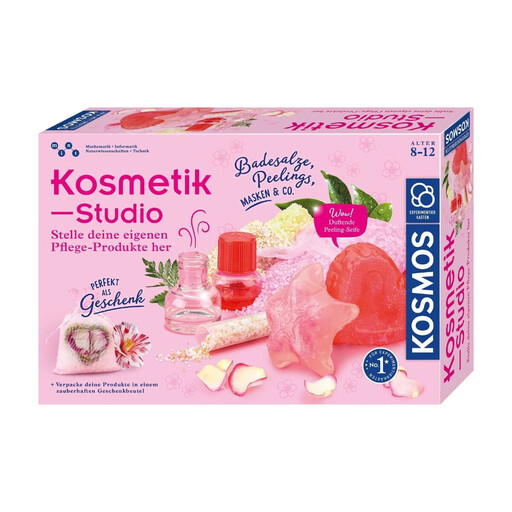
Why this kit is a great fit: Ideal for kids who love to be creative and want to hold a tangible, usable product in their hands at the end. Making their own soap, bath salts, or masks combines science with a practical hobby.
The kit not only provides consumable materials but also teaches the basic techniques of cosmetic production. The included instructions and tools can be used for further creations with common household ingredients.
Playfully teaches the chemical principles behind beauty products and includes gift packaging for the homemade creations.
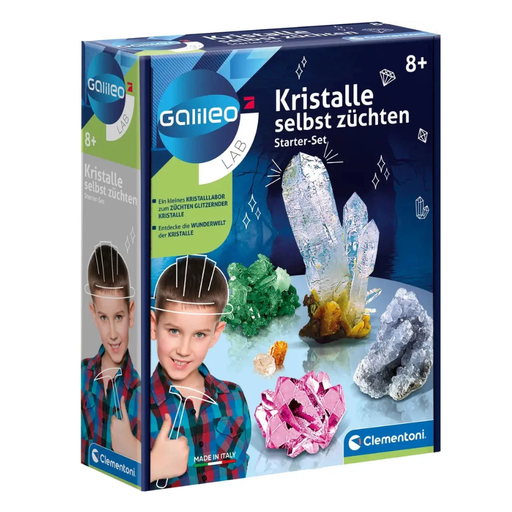
Why this kit is a great fit: Perfect for children who are fascinated by natural processes and have the patience to watch a result grow over several days. It's a classic **explorer kit** that hones observational skills.
The growing process itself is the main experience, not a quick effect. The result is a decorative crystal that can be displayed in their room as a tangible achievement, rather than being instantly consumed.
Offers a focused introduction to chemical reactions and crystal formation with clear, illustrated, step-by-step instructions that are easy for children aged 8 and up to understand.
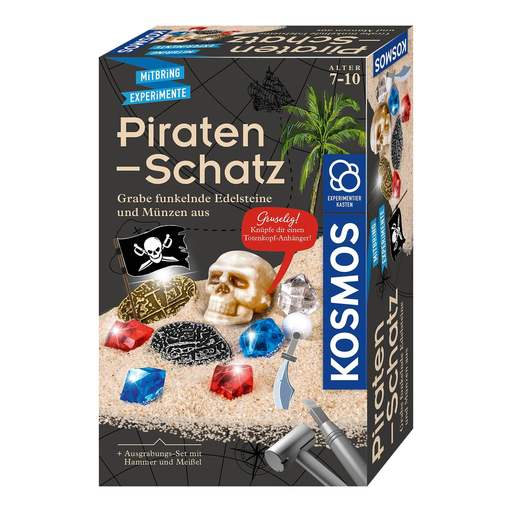
Why this kit is a great fit: Appeals to the spirit of discovery and the joy of digging and finding. The physical activity of excavating with a hammer and chisel is particularly engaging for many children and a welcome screen-free activity.
Although the plaster block is a one-time-use item, the play value is extended: a keychain can be crafted from the discovered "treasures." The result is not just the find, but also a homemade accessory.
Combines a motor-skill-engaging activity (digging) with a small craft project, while also teaching facts about archaeology and pirates.
We have compiled a complete, up-to-date list of products that fully meet these strict selection criteria and European safety regulations.
Check the contents list. Kits that primarily consist of durable tools like beakers, reusable moulds, pipettes, or a microscope offer higher reusability. This is in contrast to sets that consist almost exclusively of consumable materials like plaster blocks or chemical powders for a single experiment. Good instructions will also provide tips for further experiments using common household ingredients.
Reputable manufacturers selling their products in the EU must adhere to the strict European Toy Safety Directive (EN 71). The CE mark on the packaging confirms compliance with these standards. Nevertheless, these are often chemical toys that absolutely require the adult supervision specified on the packaging. The instructions contain detailed safety information that must be followed.
For an 8-year-old child, kits that offer a clear and relatively quick sense of achievement are often suitable. A DIY slime kit, an excavation kit for kids, or a crystal growing kit are popular starting points. They provide a good balance between an understandable process and a tangible, fascinating result, which boosts motivation for future STEM activities.