
Lieferung heute & morgen

Qualitätsgarantie

Willkommens-Angebote freischalten: KOSTENLOSE Lieferung | Bis zu 80 % RABATT | Kostenlose 30-Tage-JoyPlus-Testphase
App herunterladen
A good pair of scissors is an indispensable tool, yet the sheer variety can be overwhelming. Whether for precise cuts in the garden, demanding tasks in the kitchen, or delicate craft projects, the right model makes the difference between success and frustration. Many buyers opt for supposed all-rounders, only to find that the blades are dull, the handles are uncomfortable, and the results are messy. As your Joybuy Product Recommendation Officer, I'll help you avoid common purchasing pitfalls and find a pair of scissors that reliably gets the job done.
Before we dive into the important features, let's look at the most common reasons for a bad purchase. Knowing these will help you invest your money more wisely.
To make an informed decision, you should examine three core aspects. These determine durability, functionality, and user comfort.
The blade is the heart of any pair of scissors. This is where the wheat is separated from the chaff.
Different tasks require different cutting mechanisms.
A good pair of scissors fits securely and comfortably in your hand.
Here are some recommendations tailored to specific needs that meet the quality criteria mentioned above.
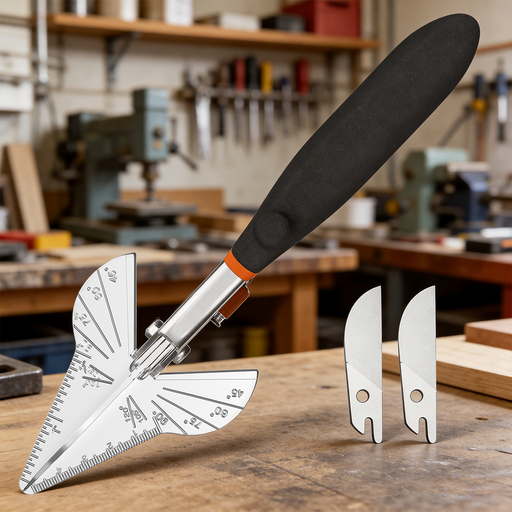
Why this model is a great fit: Ideal for DIY enthusiasts who need to make precise angle cuts on trim, PVC pipes, or seals. A specialised tool that delivers clean results where a normal pair of scissors would fail.
These miter shears avoid the "one-size-fits-all" mistake by perfectly fulfilling a specific function. The hardened SK5 steel blade stays sharp even with tougher materials.
Adjustable angles from 45° to 135° with clear markings for repeatable, precise cuts. Includes replacement blades for a long service life.
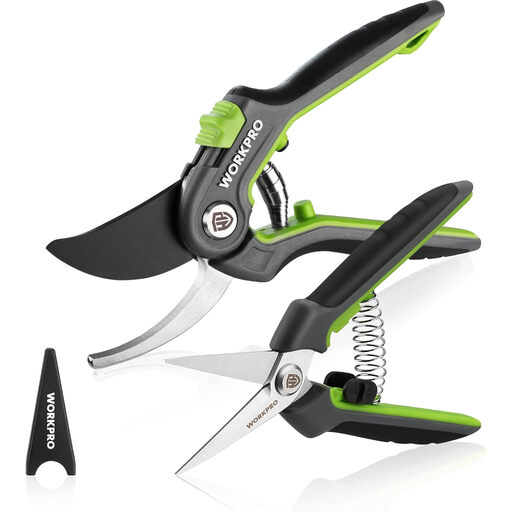
Why this model is a great fit: This shear set provides a solution for the two most common gardening jobs: a robust pair of bypass shears for pruning branches and a smaller, precise pair of harvesting shears for flowers and herbs.
The SK5 steel blade on the large shears ensures long-lasting sharpness. The rubberised, ergonomic handle and spring mechanism effectively prevent hand fatigue.
Two specialised tools in one set. The bypass shears cleanly cut fresh branches up to 19 mm, while the harvesting shears allow for precise cuts on delicate plants.
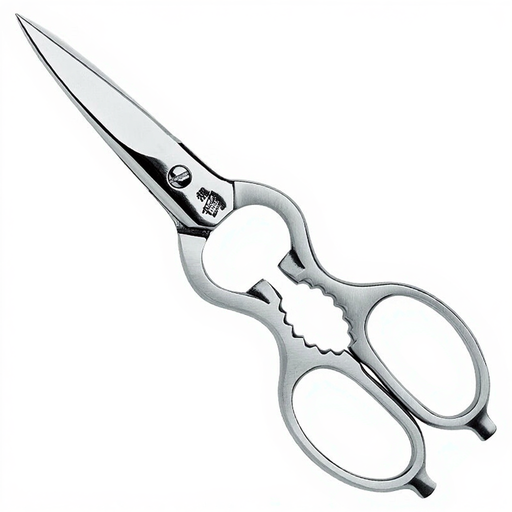
Why this model is a great fit: For anyone who values durability, hygiene, and versatile functionality in the kitchen and home. A tool that not only cuts but also helps open bottles and packages.
The rust-proof stainless steel construction and the blade's micro-serration prevent common problems like rust and slipping. This is not a disposable product, but a long-term investment.
An integrated bottle opener and screw cap lifter make them true multi-purpose scissors. The robust all-metal construction is hygienic and durable.
We have compiled a complete, up-to-date list of products that fully meet these strict selection criteria and German safety regulations.
1. What is the difference between bypass and anvil pruning shears?Bypass shears have two sharp blades that glide past each other. They produce a clean cut and are ideal for living plants because they don't crush the cells. Anvil shears have one blade that strikes a flat counter-surface (the anvil). They are better for hard or dead wood due to their higher power transfer but leave more of a crushing cut.
2. How do you care for scissors to keep the blade sharp? Proper care is simple and significantly extends their lifespan. Clean the blades after each use, especially after cutting plants, to remove sap and resin. Dry the scissors thoroughly afterwards to prevent rust. A drop of oil on the joint ensures smooth operation.
3. Can you cut bones with kitchen shears? Only special models designated as "heavy-duty" or poultry shears are suitable for this. Such kitchen shears, like the WANGMAZI Kitchen Shears made of 30Cr13 stainless steel, have a more stable construction and often a special notch in the blade to cut through bones safely. A conventional pair of household scissors would be damaged in the process.