
Lieferung heute & morgen

Qualitätsgarantie

Willkommens-Angebote freischalten: KOSTENLOSE Lieferung | Bis zu 80 % RABATT | Kostenlose 30-Tage-JoyPlus-Testphase
App herunterladen
A good pair of scissors is an essential tool that should be in every home, workshop, and garden. Yet the market is vast, and not every pair that looks impressive at first glance lives up to its promise in daily use. As your Joybuy Product Recommendation Officer, I'm here to help you navigate the common traps of purchasing and make an informed decision.
Many buyers are swayed by marketing promises, only to find their new tool is useless after a short time. Pay close attention to these three common problems:
To avoid a bad purchase, you should focus on objective and verifiable criteria. These three aspects are crucial for the performance and longevity of your scissors.
The blade material is the primary factor determining edge retention (how long scissors stay sharp) and corrosion resistance.
Especially with garden shears, the design is critical for the intended application:
The handles are the interface between you and the tool. The material and shape are crucial for comfort and efficiency.
Based on these objective criteria, we have selected a few products for specific use cases.
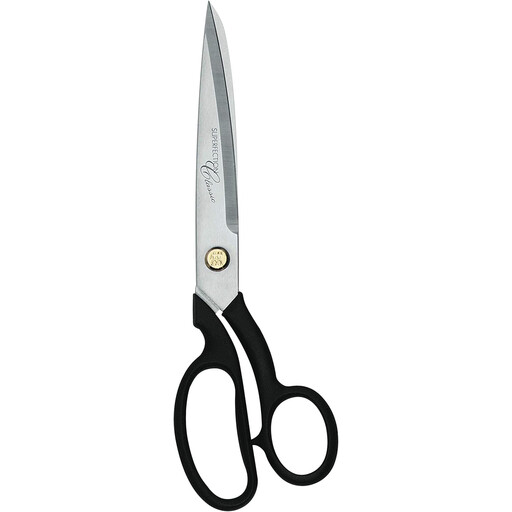
Why This Fits Their Persona: Ideal for hobby tailors and professional users who regularly cut thick or multi-layered fabrics and require a clean, fray-free cut.
The blades, made of special formula stainless steel, and the precision grind bypass the trap of inferior materials. The fibreglass-reinforced plastic handles provide durable and comfortable ergonomics.
Long-lasting sharpness for precise cuts through thick fabrics. Ergonomic handles for fatigue-free work.
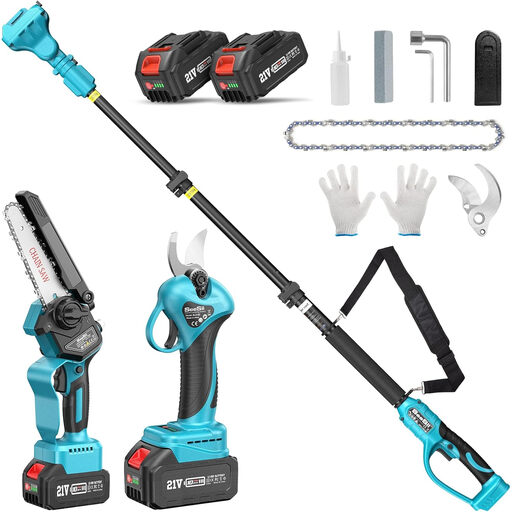
Why This Fits Their Persona: For homeowners with larger gardens who need to tackle various cutting tasks, from thin twigs to thicker branches at height, without wanting to buy multiple individual tools.
This shear set debunks the "one-size-fits-all" myth by bundling specialised tools (loppers, chainsaw) into one system. The telescopic pole safely solves the problem of hard-to-reach branches.
4-in-1 functionality with cordless flexibility. Reaches a working height of up to 4.57 m with the telescopic pole.
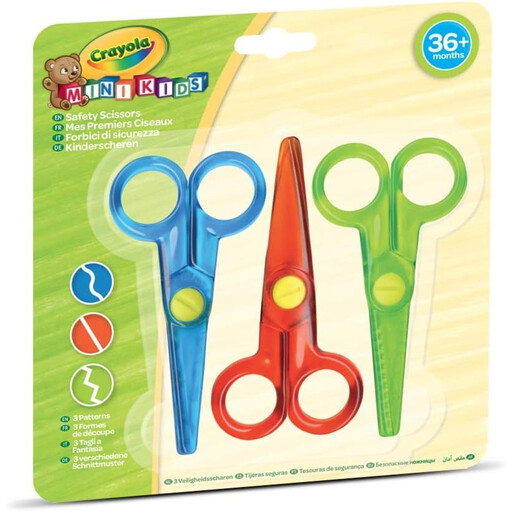
Why This Fits Their Persona: Perfect for parents and educators who want to teach preschoolers aged 3 and up how to cut, with safety as the top priority. Ideal for first crafting attempts.
These children's scissors are the antithesis of sharp, dangerous tools. The plastic blades and rounded tips are specifically designed to prevent injuries and cut only paper.
Maximum safety for small children's hands. Ergonomic design promotes the development of fine motor skills.
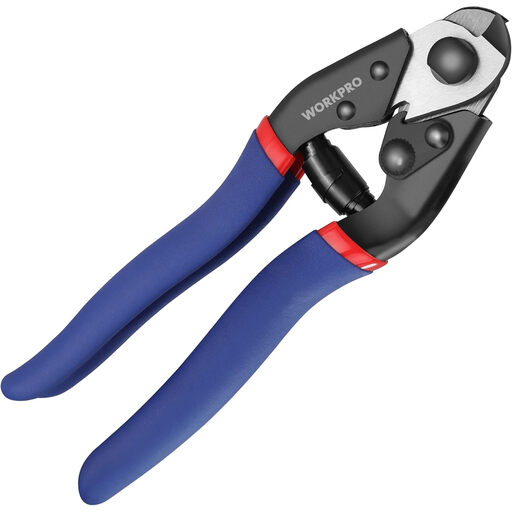
Why This Fits Their Persona: For DIY enthusiasts and bike mechanics who need to cut wire ropes, stainless steel cables, or Bowden cables precisely and without fraying.
These wire cutters are made of hardened chrome vanadium steel (CR-V), making them extremely robust and avoiding the trap of using unsuitable material for tough jobs. This is a highly specialised tool, not an all-purpose pair of scissors.
Exceptional hardness and durability. The special jaw design ensures clean cuts on wire ropes without damaging the ends.
We have compiled a complete, up-to-date list of products that fully meet these strict selection criteria and rigorous safety standards.
1. Can you use fabric scissors on paper? It is strongly advised against. Paper contains mineral fillers that act like fine sandpaper on the precision-ground blades of fabric scissors. Just a few cuts into paper can dull the scissors to the point where they no longer cut fabric cleanly, but instead snag and pull threads. It's better to invest in a separate, inexpensive pair of craft scissors for paper tasks.
2. What is the difference between bypass and anvil garden shears? A pair of bypass garden shears has two blades that glide past each other. They produce a clean cut and are ideal for living plants and fresh branches. A pair of anvil garden shears has one blade that closes onto a flat surface (the anvil). They generate more force and are better suited for hard, dry, or dead wood, but can crush fresh shoots.
3. How do you sharpen scissors correctly? To sharpen scissors, you need a suitable sharpening stone or a special scissor sharpener. It is important to only work on the bevelled outer edge of the blade, maintaining the original angle. The flat inner side of the blades should not be ground, as this alters the precise contact point of the cutting edges. Guide the blade over the sharpening stone in a smooth motion, from the pivot to the tip. After sharpening, any burrs on the flat side should be carefully removed. For high-quality or professional scissors, it may also be worthwhile to take them to a professional.