
Lieferung heute & morgen

Qualitätsgarantie

Willkommens-Angebote freischalten: KOSTENLOSE Lieferung | Bis zu 80 % RABATT | Kostenlose 30-Tage-JoyPlus-Testphase
App herunterladen
A good pair of scissors is a tool that works with precision and remains reliable for years. However, the market is flooded with products whose quality only becomes apparent after the purchase. Many users discover that their supposedly high-end scissors quickly become dull, rust, or make tasks more difficult due to poor ergonomics. This guide will help you identify the crucial features and make an informed choice for your specific needs.
Before we dive into the technical details, let's look at three common problems that can lead to a bad purchase:
To avoid these pitfalls, you should check three key aspects before buying. These determine the longevity, functionality, and safety of your future scissors.
The blades are the heart of any pair of scissors. The choice of material is critical for sharpness and durability.
A pair of scissors must fit comfortably in your hand to allow for precise, fatigue-free work.
Depending on the application, specific safety and design features are important.
Here are some recommendations tailored to specific needs and use cases.
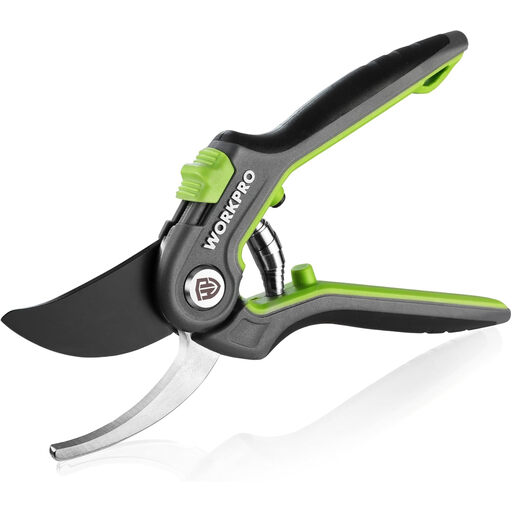
Why This Fits Their Persona: Ideal for the regular pruning of fresh branches, roses, and perennials in the home garden. The bypass design ensures plant-friendly cuts.
The SK5 carbon steel blade resists dulling. The ergonomic handles and spring-action mechanism prevent hand fatigue.
Precise cuts for branches up to 19 mm in diameter; integrated safety lock for secure storage.
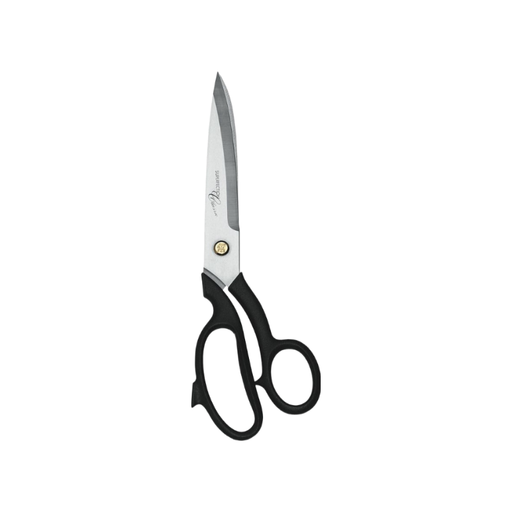
Why This Fits Their Persona: Designed for demanding sewing projects. The long blades allow for precise, continuous cuts through various types of fabric, from silk to wool.
The stamped, special formula stainless steel and precision grind ensure long-lasting sharpness and prevent fabric from fraying. The fibreglass-reinforced handles are shatterproof and durable.
Robust construction for a long service life; ergonomic handles for fatigue-free work, even on large projects.
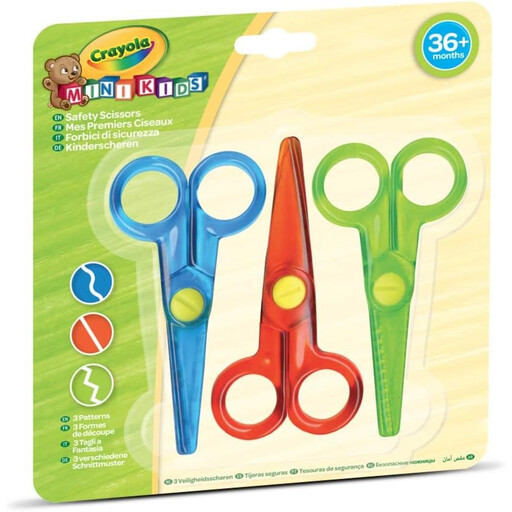
Why This Fits Their Persona: Perfect for the first crafting attempts of children aged 3 and up. These scissors are specially designed to train fine motor skills without posing a risk of injury.
The biggest pitfall with children's scissors is safety. This set solves that problem with plastic blades and rounded tips that minimise the risk of injury.
Set of 3 scissors for different cutting patterns; ergonomic handles for small hands; promotes hand-eye coordination.
For precision tailoring work, we've compiled a comprehensive, up-to-date list of products that meet strict selection criteria.
1. How do you properly maintain scissors to extend their lifespan? Clean the blades with a dry cloth after each use to remove resin, adhesive, or moisture. For heavy soiling, a mild cleaning agent can be used. It is important to dry the scissors completely afterwards. A drop of oil on the pivot joint at regular intervals will keep the mechanism moving smoothly.
2. What is the difference between bypass and anvil pruning shears? A bypass pruning shear works like a regular pair of scissors: two blades glide past one another. This creates a clean, precise cut and is ideal for living plants and green branches. An anvil pruning shear has a sharp blade that closes onto a flat metal surface (the anvil). This generates more pressure and is well-suited for cutting hard or dead wood, but it can crush fresh shoots.
3. Can you use fabric shears on paper? This is strongly discouraged. Paper contains mineral fillers that will very quickly dull the fine, precision-ground blades of fabric shears. Once used on paper, fabric shears will no longer cut fabric cleanly but will instead chew and fray it. Always use separate scissors for fabric and paper.