
Lieferung heute & morgen

Qualitätsgarantie

Willkommens-Angebote freischalten: KOSTENLOSE Lieferung | Bis zu 80 % RABATT | Kostenlose 30-Tage-JoyPlus-Testphase
App herunterladen
If you’re looking to buy scissors, you’ll quickly come across lots of similar-looking models with different materials, blade shapes and claims about what they can do. But household scissors aren’t necessarily suitable for fabric, while secateurs can be awkward to use for cutting paper. The right choice depends not just on the price, but on what you plan to use them for.
Multi-purpose scissors can be handy for packaging, paper and light household tasks. Thick layers of fabric, fresh branches and fine craftwork all have different requirements. If scissors are regularly used for tasks they weren’t designed for, the blades can become blunt or misaligned more quickly.
Long blades are useful, for example, when cutting straight lines across lengths of fabric. They’re less easy to handle when making small, precise cuts. With precision scissors, nail scissors or bonsai scissors, short blades that are easy to control are key. The overall size of a pair of scissors alone doesn’t tell you how suitable they are for a particular task.
Kitchen scissors, herb scissors and secateurs regularly come into contact with moisture or plant debris. Not every model is dishwasher-safe. With tailor’s shears or angle scissors, it may also be worth checking whether replacement blades are available. Before you buy, check the care instructions, locking mechanism and availability of replacement parts.
Stainless steel is widely used for household and kitchen scissors because it resists corrosion when cared for properly. A coating can offer additional benefits, but it won’t make up for an unsuitable blade shape. Long, finely ground blades are a good choice for fabric. Tailoring shears should cut cleanly through several layers without pushing the fabric out of place.
Secateurs use either a bypass or anvil mechanism. Bypass secateurs cut with two blades that pass each other, making them suitable for fresh, thinner branches. The maximum cutting capacity needs to suit the plant. A stated capacity of, for example, 15 mm won’t necessarily apply to every type of wood or every level of hand strength.
Ergonomic handle loops can improve control, especially during longer cutting sessions. Left-handed users should look specifically for left-handed scissors, as the position of the blades can affect visibility of the cutting line. For children, look for rounded tips, age-appropriate sizing and use under supervision. Children’s craft scissors aren’t intended for hair, fabric or hard materials unless the manufacturer says otherwise.
After use, wipe the blades dry and care for moving joints as instructed by the manufacturer. Keep sharp tools out of the reach of young children. Take particular care when handling the fine tips of nail scissors. Only put pizza scissors or kitchen scissors in the dishwasher if the manufacturer specifically says they’re dishwasher-safe. Hand washing is often gentler on coated or multi-part models.
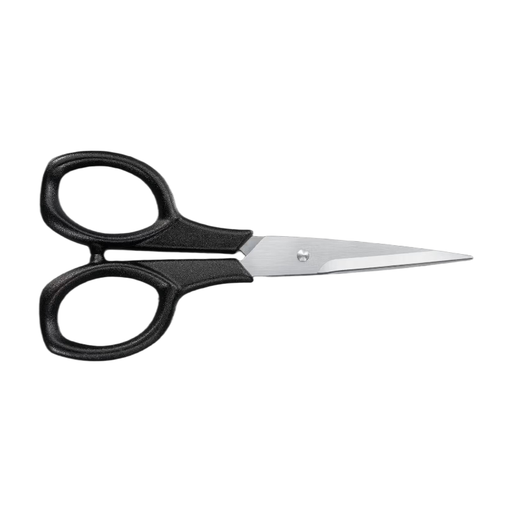
Why this product suits this profile: These compact household scissors are designed for light, everyday cutting tasks and weigh 25 g, according to the product information. The polyamide handles and stainless steel blades are intended for household use.
Their manageable size helps prevent you from using them by mistake for heavy-duty fabric or garden tasks. The product description specifically lists general household tasks.
Compact design, stainless steel blades and a detachable construction, according to the product information. Dishwasher-safe, although hand washing is recommended to keep them in good condition.
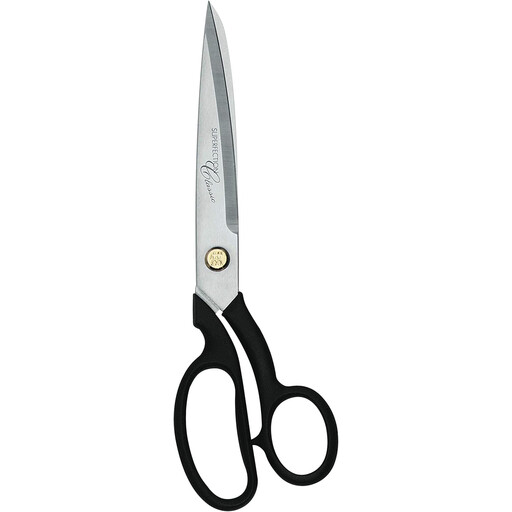
Why this product suits this profile: This 21 cm pair is designed for sewing and tailoring. According to the product information, it features stainless steel blades, ergonomic glass-fibre-reinforced plastic handles and a precision screw.
The long blades are designed specifically for fabric, helping you avoid using small household scissors to cut through several layers.
21 cm overall length, 142 g weight and an adjustable precision screw, according to the product details.
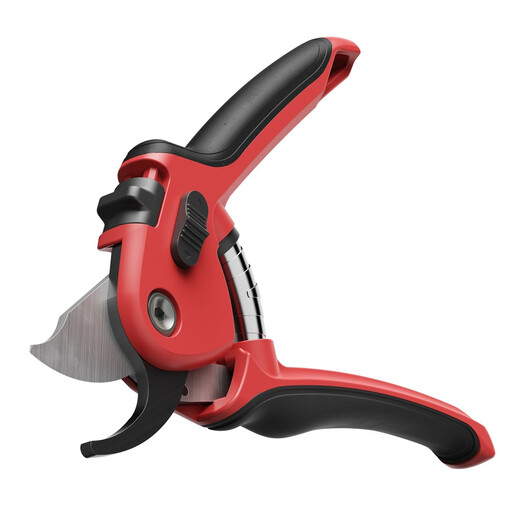
Why this product suits this profile: This model is designed for fresh branches, roses and ornamental plants with a stated diameter of up to 15 mm. An adjustable handle and thumb lock make everyday gardening easier.
The stated cutting limit makes it clear that hard or thicker branches aren’t what these secateurs are designed for. This helps prevent the blades from being overloaded.
Coated SK5 steel blade, adjustable handle width and safety lock, according to the product description.
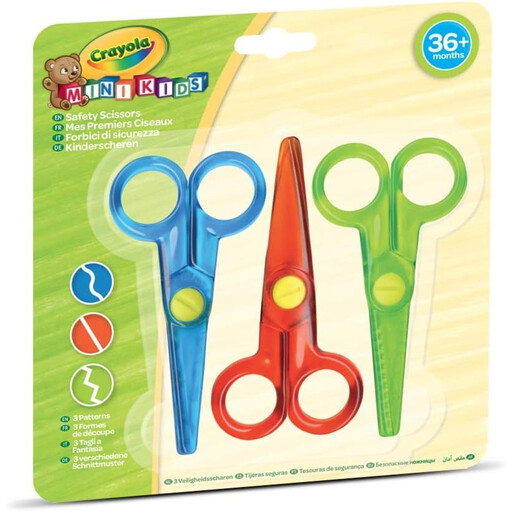
Why this product suits this profile: According to the product information, this set is suitable for children aged three and over. It features plastic blades, rounded tips and ergonomic handles for paper and craft activities.
The age guidance and clearly stated intended use set these apart from household scissors with sharp metal blades. Adult supervision is still required.
Three pairs of scissors in the set, with plastic blades and rounded tips, according to the product details.
We’ve put together a complete, regularly updated list of products that meet these strict selection criteria and fully comply with the safety regulations in force in the EU.
For fabric, fabric scissors or tailoring shears with long, precisely ground blades are a good choice. Don’t use them for paper, as this can reduce their cutting performance. Smaller precision scissors may be better for delicate craftwork.
How long they stay sharp depends on the material, how much you cut, the surface you cut on and how well you care for them. Use paper, fabric and garden scissors only for the materials they’re designed for. If the blades become blunt, damaged or stiff, stop using the scissors. If appropriate, have them professionally sharpened or maintained with replacement parts.
The price depends on factors such as blade material, mechanism, handle design and specialist features. A basic pair of household scissors is often enough for occasional paper cutting. If you sew, garden or cook regularly, compare the cost of specialist scissors with how often you expect to use them and how much care they’ll need.