
Lieferung heute & morgen

Qualitätsgarantie

Willkommens-Angebote freischalten: KOSTENLOSE Lieferung | Bis zu 80 % RABATT | Kostenlose 30-Tage-JoyPlus-Testphase
App herunterladen
Scissors need to be suited to the task. If you focus only on a low price or promotional terms such as “professional”, you may end up buying a product that quickly stops cutting cleanly, feels uncomfortable in the hand or is unsuitable for its intended purpose. The Joybuy product recommendations team explains which features of scissors really matter before you buy.
Household scissors, nail scissors, fabric scissors and garden scissors differ in terms of blade shape, cutting angle and material. Household scissors can cut paper and packaging, but they are not automatically suitable for hair, fabric, fresh branches or hard food. Using them for the wrong purpose can cause the blades to become blunt more quickly or become misshapen.
“Stainless steel” initially describes only the material group. For practical use, corrosion resistance, blade hardness, sharpening and the way the two blades are joined are also relevant. Stainless-steel scissors should be dried after contact with moisture, even if the material is rust-resistant. With garden scissors, coatings, the spring mechanism and maintenance requirements can also be decisive.
Small finger holes, smooth surfaces or the need to apply considerable force often become noticeable only after several cuts. A suitable handle shape is particularly important for children, left-handed users and anyone who cuts frequently. Left-handed scissors should be designed so that the material being cut remains visible from the correct side and the blades meet properly during cutting.
Look for specific information about blade material and maximum cutting thickness. SK5 steel, for example, is used in various garden and mitre shears. However, a stated capacity of 15 or 19 millimetres is not a general recommendation for every type of wood or branch. Hard or dry branches may have different requirements.
With kitchen scissors, serrated blades can help prevent food from slipping. With nail scissors, on the other hand, fine tips and controlled guidance are more important. A precise blade is no substitute for using the right tool: wire, metal and bones should only be cut with products designed for that purpose.
After use, scissors should be cleaned and dried in accordance with the manufacturer’s instructions. With garden scissors, occasional oiling of the joint helps prevent stiffness. Herb scissors with multiple blades should not automatically be put in the dishwasher. For sharp tools, a safety lock, dry storage and a safe distance from children are essential.
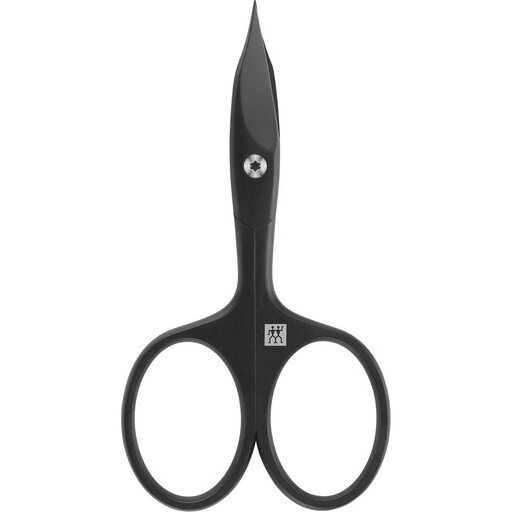
Why this product suits this profile: These compact nail and cuticle scissors combine two personal-care tasks in one manual tool, making them suitable for manicures at home.
The slightly curved blades with fine tips are clearly designed for nails and cuticles, rather than trying to replace unsuitable household scissors.
9.5 cm length, corrosion-resistant stainless steel and, according to the product information, suitable for right- and left-handed users.
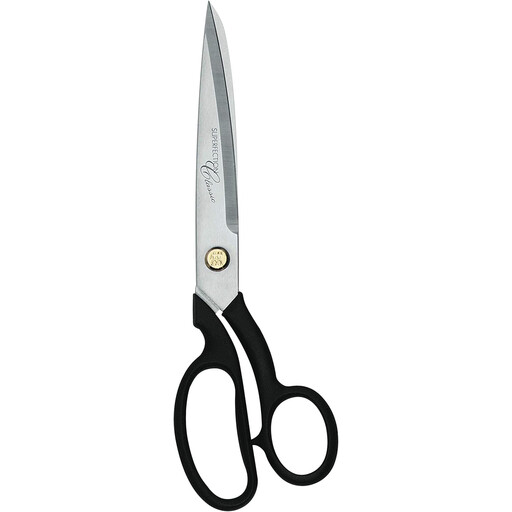
Why this product suits this profile: These 21 cm fabric scissors are designed for sewing projects involving several layers or heavier fabrics.
The product description specifies precision-ground stainless-steel blades and an adjustable precision joint, rather than making vague universal claims.
Stainless-steel blades, glass-fibre-reinforced plastic handles and a rounded, longer handle eye for controlled guidance.
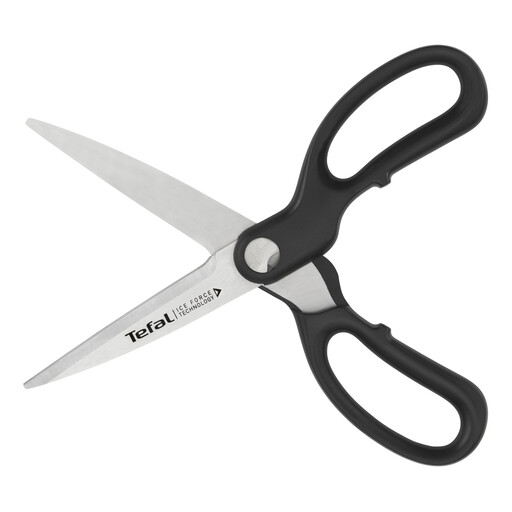
Why this product suits this profile: These multifunctional kitchen scissors are designed for cutting, trimming and other kitchen tasks, and can be used by both right- and left-handed users.
According to the product information, the removable blades make thorough cleaning easier, reducing a common maintenance task.
German stainless steel according to the product description, a handle suitable for use with either hand and removable blades.
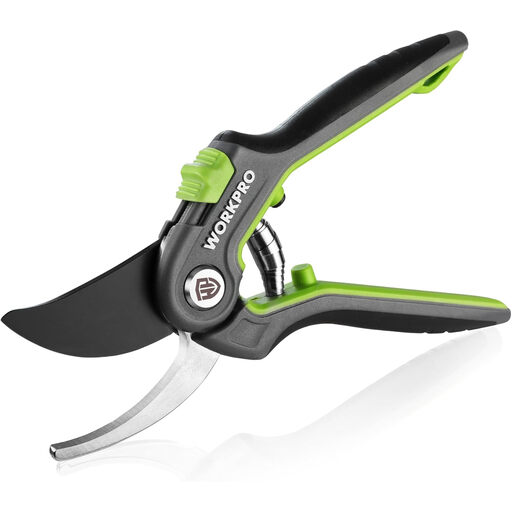
Why this product suits this profile: For regular gardening, these bypass secateurs offer a clearly defined application range for fresh branches and plants.
The maximum cutting thickness of 19 mm and the safety lock clearly define the tool’s intended use.
SK5 steel blade, spring mechanism, non-slip handles and automatic opening according to the product information.
We have put together a complete, regularly updated list of products that fully meet these strict selection criteria and the safety regulations applicable in the EU.
Left-handed scissors should have a blade arrangement suited to the left hand and a comfortable grip. Some models are explicitly stated to be suitable for use with either hand. This information should be included in the technical product specifications before you buy.
Use scissors only for their intended purpose, clean the blades after use and dry them thoroughly. Fabric scissors should not be used for paper. With garden and household scissors, occasional oiling of the joint may be useful, provided this is recommended by the manufacturer.
The price depends on the intended use, material, blade length, workmanship and additional features. Simple nail scissors require different properties from professional hairdressing scissors, loppers or adjustable mitre shears. The purchase price alone is therefore not the deciding factor; what matters is whether the cutting capacity, ergonomics and maintenance requirements suit the intended use.