
Lieferung heute & morgen

Qualitätsgarantie

Willkommens-Angebote freischalten: KOSTENLOSE Lieferung | Bis zu 80 % RABATT | Kostenlose 30-Tage-JoyPlus-Testphase
App herunterladen
Metal cutting dies for scrapbooking let you add decorative shapes to paper, card and other thin craft materials. Whether you’re making greetings cards, memory albums or seasonal decorations, there’s a wide choice of designs and sets. However, not every die is compatible with every die-cutting machine, paper weight or craft project.
If you choose based on the design alone, it’s easy to overlook important technical details. The following points can help you avoid common mistakes when buying scrapbooking dies and embossing folders.
Many listings simply say “for paper” or “for craft projects”. That doesn’t tell you whether the metal die will work with your manual or electric die-cutting machine. Important factors include the dimensions of the die, the required sandwich combination of plates and the maximum material thickness.
Before you buy, check:
Many listings use the term “embossing”, even though the function can vary from one product to another. A metal die can cut out paper, create a raised design or do both. Embossing folders without a cutting edge, on the other hand, are mainly used to create a pattern or indentation.
When choosing dies for card making, be clear about whether you want a complete design, a frame, a border or simply a textured surface.
Intricate flower, butterfly and frame dies can look different on thin paper than they do on sturdy card. Small inner sections may be difficult to release if the material is too soft or your machine doesn’t apply enough pressure.
Check the product images and, where available, the dimensions to get a better idea of what to expect. Larger designs are often more practical for photo albums, while smaller elements can be used to embellish cards or gift tags.
Metal dies for paper should have a clearly defined cutting edge. Many listings don’t provide full details about the type of metal, material thickness or coating, so don’t assume any features that aren’t expressly stated in the product description.
It’s also important to store your dies clean and dry after use. Paper scraps can affect fine details. Keeping them in a flat box or sealable pouch helps prevent them from bending or coming into contact with moisture.
For a card project, make sure the overall dimensions suit your card blank. For photo albums, also consider the space available on each page. A layered design made up of several pieces can be more versatile, but it takes more time to sort and assemble.
Useful design categories include:
Not all paper works equally well with every die. Thin paper is ideal for layering and lightweight decorations, while sturdy card makes for more robust card fronts. If you’re cutting several layers, check the machine’s recommended limits.
If you regularly enjoy DIY paper crafts, it’s worth keeping a small selection of paper in different weights. That way, you can use the same design as a single element, a shadow layer or a multi-layer embellishment.
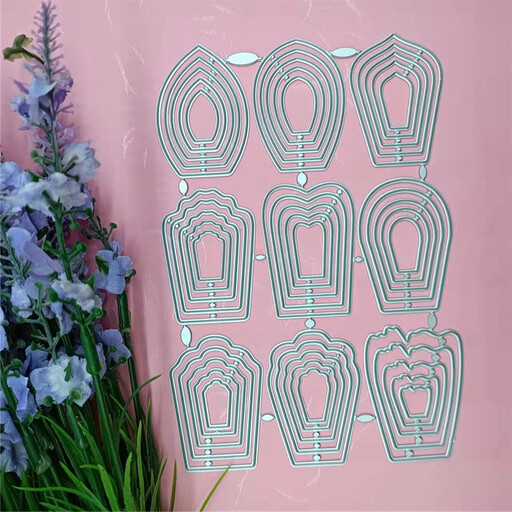
Why it suits this type of crafter: Its versatile design may appeal if you’re looking for an all-purpose option for different paper cards, album pages and craft decorations.
Before buying, you can check the design, dimensions and compatibility with your machine, rather than choosing based solely on a decorative preview image.
Metal design; described as suitable for album, card and paper projects.
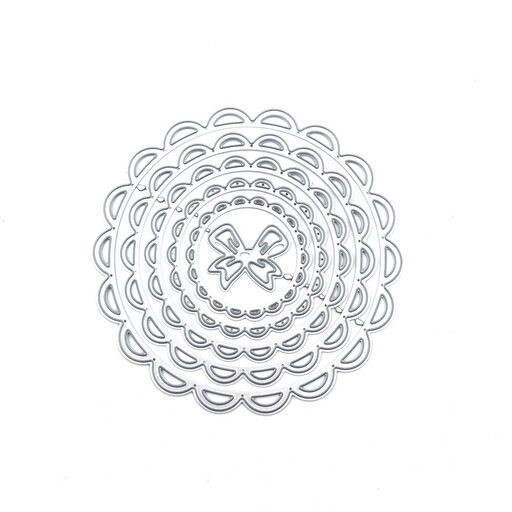
Why it suits this type of crafter: Frame designs are ideal if you want to add a neat border to card fronts, album pages or photo areas.
The frame design makes it easier to check whether it will fit your intended page size and whether you need a cutting die or an embossing design.
Frame design; described as suitable for paper cards, scrapbooking and embossing.
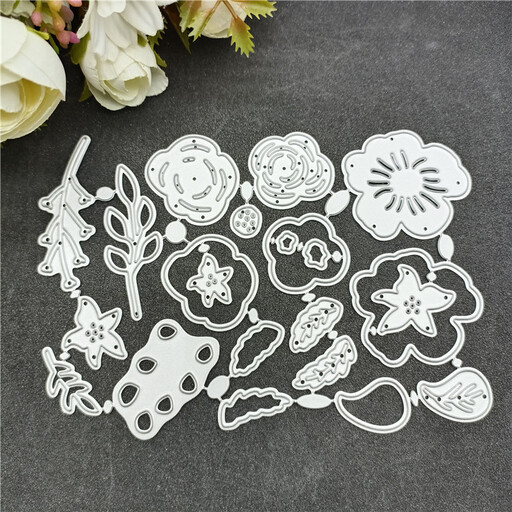
Why it suits this type of crafter: Flower and leaf designs can be combined for card sets, photo albums and seasonal paper decorations.
With intricate nature-inspired designs, you can check the paper weight, how easily the cut shapes release and whether your die-cutting machine is suitable.
Flower and leaf design; described as suitable for cards, scrapbooking and paper crafts.
We’ve put together a complete, regularly updated list of products that meet these strict selection criteria and fully comply with the safety regulations in force in the EU.
After cutting, carefully remove any paper scraps. For intricate designs, a weeding tool can help without distorting the finer details. Don’t leave your dies loose among heavy objects. Storing them flat and dry protects the cutting edges and makes it easier to find the design you need.
If you regularly make cards or album pages, sort your designs into categories such as flowers, frames, sentiments, seasons and occasions. This makes it easier to use the dies you already own and avoid buying duplicates.
You’ll generally need a compatible die-cutting machine with suitable cutting plates. The plate combination and pressure required depend on the machine and die. Before buying, compare the machine manufacturer’s guidance with the product description.
There’s no single answer, as their lifespan depends on factors such as the material, cutting-edge design, paper weight, pressure settings and care. Frequent misuse, materials that are too thick or the wrong plates can speed up wear.
No. Metal dies are generally designed to cut out shapes. Embossing folders mainly create raised or indented designs. Some products combine both functions, so check the product description carefully before you buy.